
Through the work they publish, the ideas they generate, the future leaders they develop, and the communities they build, the Atlantic Council’s programs and centers shape policy choices and strategies to create a more free, secure, and prosperous world.
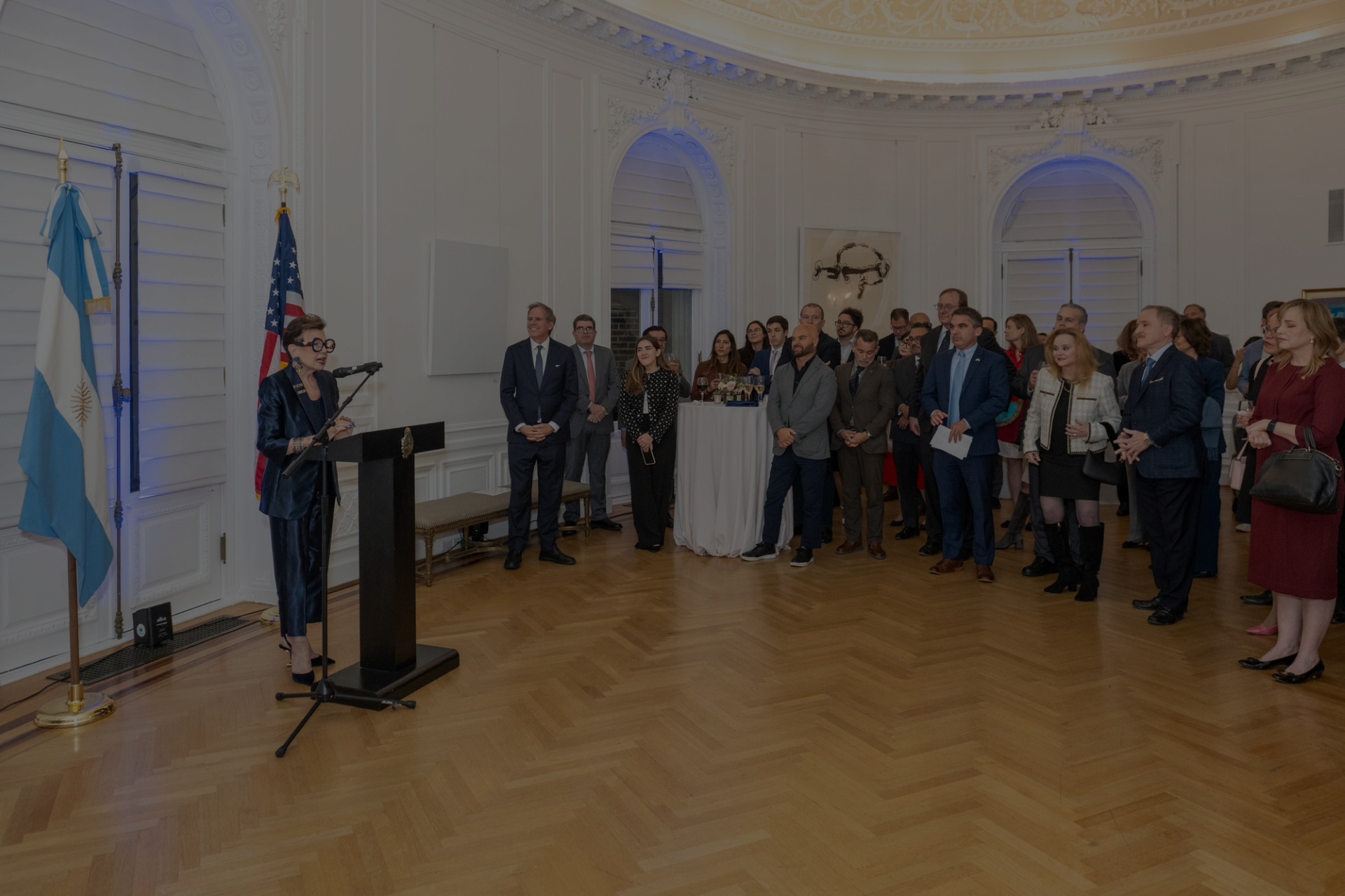
The Atlantic Council’s Adrienne Arsht Latin America Center (AALAC) broadens understanding of regional transformations while demonstrating the significance of Latin America and the Caribbean in a rapidly changing world. The Center focuses on pressing political, economic, and strategic issues that define the region’s trajectory. The Center proposes constructive, results-oriented, nonpartisan solutions to inform public-sector, business, and multilateral action based on a shared vision for a more prosperous, inclusive, and sustainable future.
AALAC builds consensus for action in advancing innovative policy perspectives and prioritizes impact across geographic priorities—including Argentina, Brazil, Central America, Chile, Colombia, Mexico, and Venezuela, as well as through the Center’s Caribbean Initiative—alongside thematic areas that incorporate global Atlantic Council expertise: investment promotion, commercial ties, economic development, transnational criminal organizations, energy security, technology, democratic institutions, and mitigating Chinese influence.
In 2025, AALAC positioned itself at the center of policy debates shaping US engagement with Latin America and the Caribbean, beginning with Venezuela. As the United States pursued a renewed focus on Venezuela, AALAC advanced its working group that produced analyses on sanctions, oil licensing, and economic reconstruction. The Center created the first individual sanctions dashboard tracking US and EU actions against Venezuelan officials.
AALAC accelerated its regional engagement through convenings and congressional outreach. As US-Colombia relations deteriorated, the Center led nonpartisan dialogue through a congressional fellowship that traveled to Colombia. AALAC convened President Luis Abinader to launch the first ever Dominican Republic–US Economic Strategy Advisory Group. And as the Atlantic Council advanced its strategic engagement with Argentina alongside the Global Citizen Award for President Javier Milei, AALAC led new work on its economy, including convening Economy Minister Luis Caputo and Central Bank President Santiago Bausili within twenty-four hours of meeting with US President Donald Trump to discuss a currency swap line. The Center engaged policymakers on US-Brazil relations amid tariff and visa disputes and served as a go-to platform for ambassadors across the region, while advancing a congressional strategy to strengthen US-Caribbean ties, resulting in a report used to inform legislation.
As the US National Security Strategy sharpened its focus on the Western Hemisphere, AALAC was ahead of the curve in expanding its economic and data-driven work, launching the Economic Pulse of the Americas series to analyze tariffs, supply chains, and investment trends. The Center also focused on elections across the region, including Chile and Honduras. Following Chile’s presidential election, AALAC published an issue brief with contributions including that of the newly designated foreign minister. Ahead of Honduras’s elections, AALAC warned of the potential for things to go awry, issuing a memo to the secretary of state calling on the United States to defend democratic norms and its economic interests.
The Africa Center shines a spotlight on the issues, countries, and individuals that will shape the “African century,” with the aim of strengthening security and expanding prosperity on the continent.
Last year was a pivotal year for US-Africa relations, and the Africa Center was at the forefront. The Center hosted series of events on the implications of a “trade not aid” relationship, held discussions and monitored the various paths towards peace following the eruption of conflict in the Democratic Republic of Congo, and convened experts across government, civil society, and the private sector. The Center served as a platform for high-level visiting African delegations in Washington, including private convenings hosting visiting African ministers and Atlantic Council Front Page events with former Sengal President Macky Sall and Guinea-Bissau President Umaro Sissoco Embaló. The Center’s Critical Minerals Task Force highlighted how investment in the sector can integrate public health into mining operations, the key role African minerals play in US defense supply chains, and how the continent’s natural wealth can benefit its own people.
Among its 2025 flagship events, the Center hosted the first “DRC Day,” focused on the road to investment, peace, and security in the Democratic Republic of Congo. The Center also served as a thought partner for the Africa Energy Forum, hosted on the margins of the UN General Assembly. The forum event showcased the Center’s impact in the presence of Mozambique President Daniel Francisco Chapo and business leaders from across the energy and minerals sectors.
As sports become more influential in geopolitics and international relations, the Center also launched a new line of work on sports diplomacy, kicking off the effort alongside the Adrienne Arsht National Security Resilience Initiative on the eve of the FIFA World Cup draw.

Atlantic Council Romania advances security, resilience, and democratic stability in Central and Eastern Europe and the Black Sea region by shaping policy, advancing innovation, and mobilizing transatlantic partnerships at the intersection of energy, infrastructure, technology, economic competitiveness, and defense.
Launched in 2025, Atlantic Council Romania began building a dedicated platform to address the Black Sea region’s growing strategic importance amid heightened geopolitical competition, energy insecurity, and infrastructure vulnerabilities. In its inaugural year, Atlantic Council Romania focused on establishing a strong transatlantic network and grounding its work in close engagement with regional stakeholders, governments, and the private sector. Working in close coordination with other programs and centers, Atlantic Council Romania organized multiple leadership delegations to Bucharest, Washington, DC, New York, Chisinau, and Athens to deepen institutional understanding of regional priorities while briefing local stakeholders on evolving transatlantic dynamics.
Atlantic Council Romania also convened public and private discussions and hosted its founding partners and Romania Advisory Council in New York for an inaugural strategy session alongside key Atlantic Council events. These engagements laid the foundation for current research informing Atlantic Council Romania’s first flagship analytical project: a report on the Vertical Energy Corridor. This work complements forthcoming initiatives on digital transformation, entrepreneurship-driven growth, and defense-industrial cooperation, reinforcing transatlantic engagement in one of Europe’s most strategically consequential regions and positioning Atlantic Council Romania as a trusted convener and policy voice on the ground.
The Atlantic Council Technology Programs (ACtech) work with governments, industry, and civil society to shape the geopolitical impact of technology in ways that strengthen global stability. Through rigorous technical research, practical capacity building, policy engagement, and public convening, ACtech builds communities of action that advance accountable technology policy in the public interest.
At the core, ACtech is working to shape a future where digital technologies are designed, developed, and deployed in ways that build public trust, strengthen institutions, and support resilient societies.
ACtech unites five leading centers and initiatives: the Digital Forensic Research Lab (DFRLab), the GeoTech Center, the Cyber Statecraft Initiative, the Democracy + Tech Initiative, and the Capacity Building Initiative. The programs’ work responds to three defining global trends: accelerating geopolitical competition, increasing interdependence, and rapid technological change.
In 2025, nowhere was the convergence of all three trends more apparent—or more important—than artificial intelligence (AI). To that end, ACtech relaunched the GeoTech Commission on AI with the primary goal of enabling the United States, along with allies and partners, to lead in the emerging era—including AI supply chains, energy, talent, innovation, governance, and other critical areas.
ACtech also continued to deliver field-leading, data-driven research on countering digital authoritarianism, spyware, foreign malign influence, and the impact of generative AI on the information environment. ACtech served as a platform for significant policy conversations navigating the future of transatlantic cooperation on technology. The programs hosted global convenings across multiple continents, building bridges across sectors and creating communities of action around topics such as commercial space policy, digital and AI governance, and countering authoritarian efforts to shape global technology policies. Alongside those efforts, ACtech built capacity among next-generation leaders through six Cyber 9/12 competitions across three countries, training 670 students, and delivered fifty-five global trainings that equipped more than 1,200 trainees with digital skills to navigate today’s information environment.
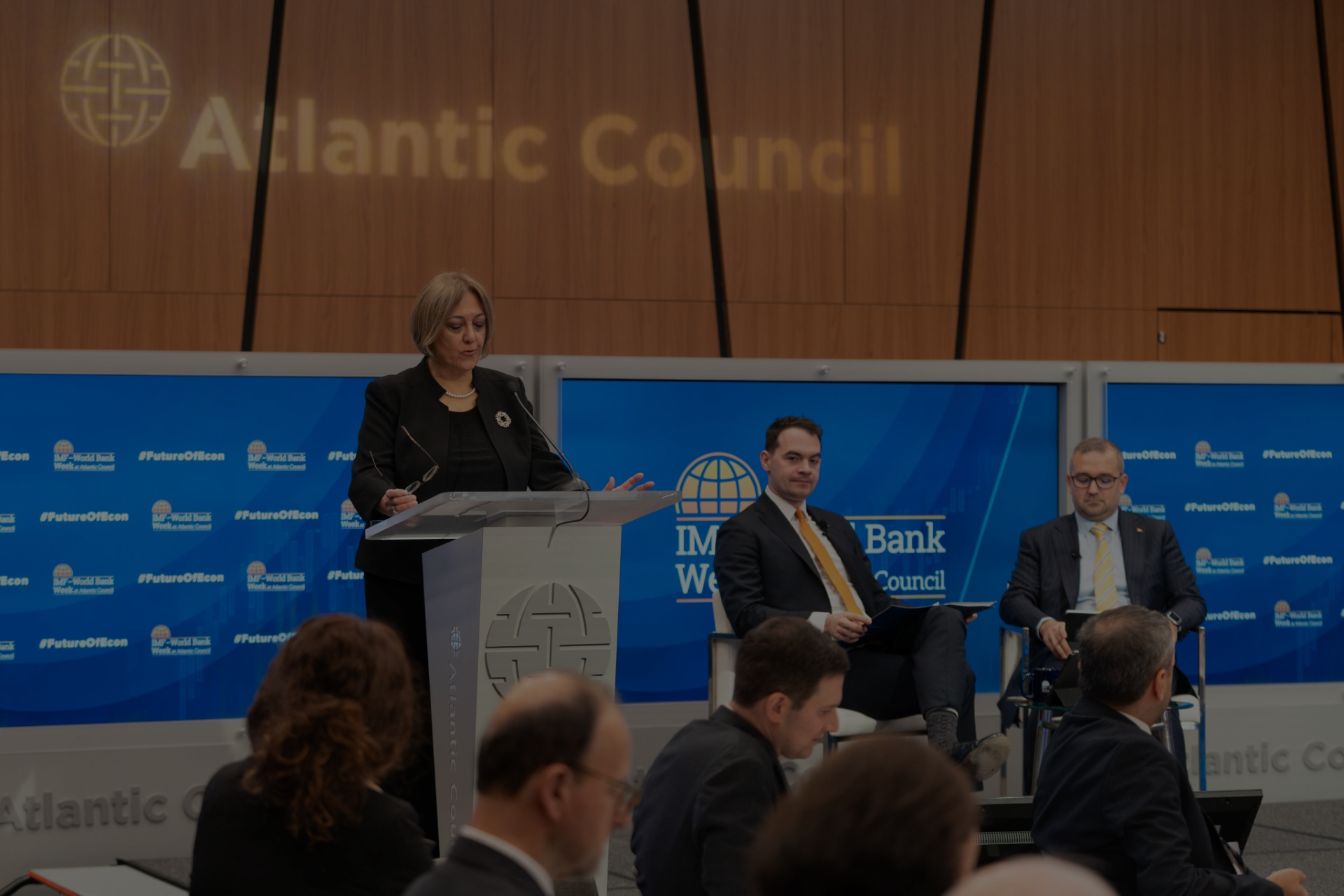
Within the Atlantic Council’s longstanding commitment to strengthening the transatlantic relationship, the Atlantic Council Turkey Program conducts research, provides thought leadership, and offers a platform for strategic dialogue between the United States, Turkey, and NATO allies to address the region’s toughest challenges and explore opportunities, including in the fields of energy, business and trade, technology, and defense and security.
In 2025, amid shifting global dynamics and evolving geopolitics, the Atlantic Council Turkey Program advanced its mission to strengthen transatlantic engagement through high-level convenings and cutting-edge publications. The program kicked off the year in Washington hosting a conference to explore the future of bilateral relations and the implications of changing policy dynamics under the three pillars of defense and security, energy, and trade and business. As bilateral relations turned over a new leaf under the new US administration, the program published a new edition of the Defense Journal by Atlantic Council Turkey Program, assessing the emerging dynamics and opportunities, which was launched in Istanbul. On the sidelines of the UN General Assembly in New York, the Turkey Program hosted high-level gatherings featuring US Ambassador to Turkey and Special Envoy for Syria Thomas J. Barrack and Turkish Energy Minister Alparslan Bayraktar to discuss geopolitical developments, energy security, and economic opportunities.
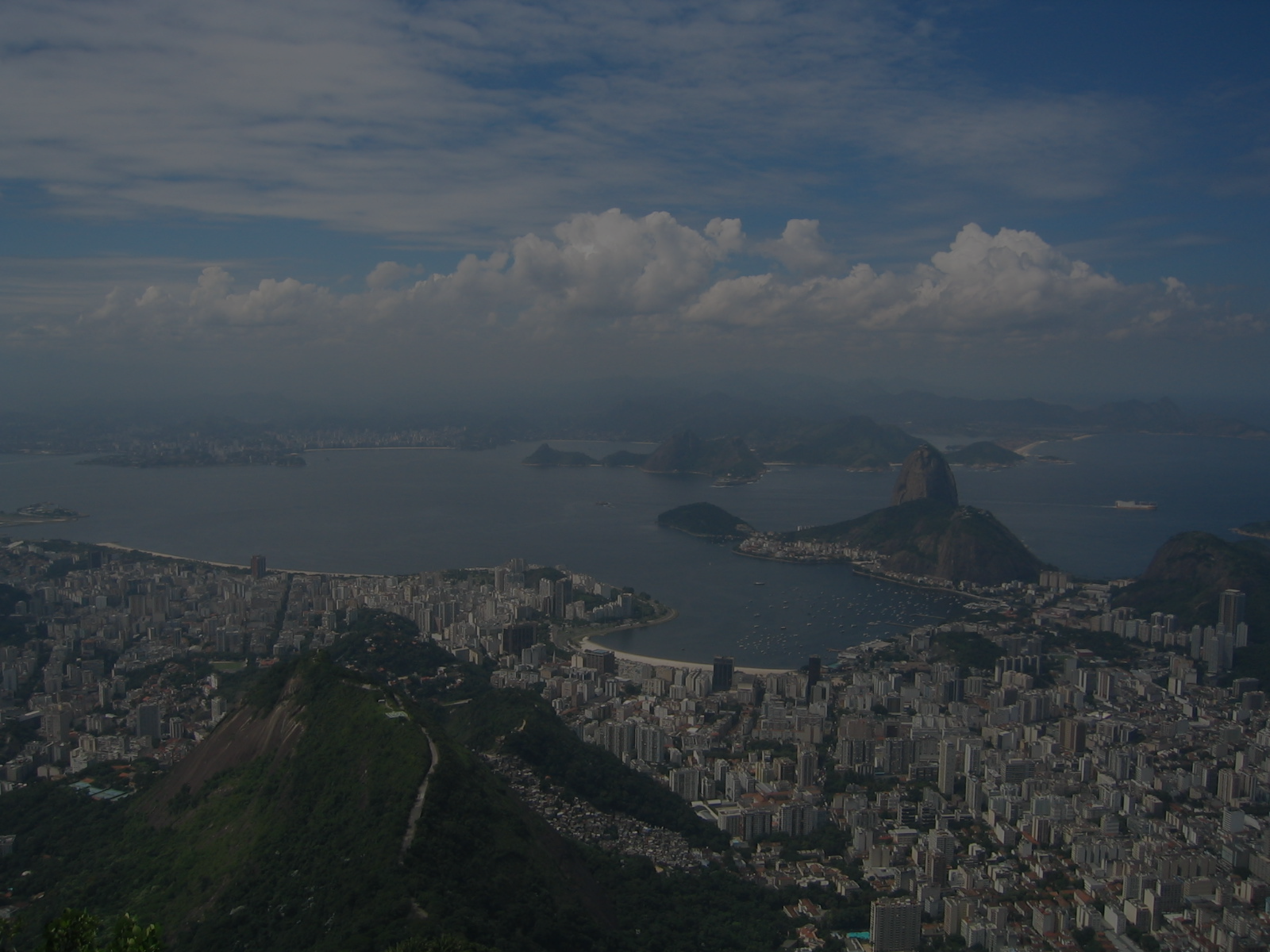
The Atlantic Council’s Climate Resilience Center (formerly the Arsht-Rock Resilience Center) creates and delivers transformative solutions that improve lives, protect livelihoods, and expand opportunity for communities on the front lines of the climate crisis. The Center is committed to reaching one billion people around the world with resilience solutions to climate change by 2030.
To better protect people from the dangers of the climate crisis, the Climate Resilience Center expanded its solutions and launched new, critical initiatives to enable individual and community resilience.
In 2025, the center welcomed two new chief heat officers from Cape Town, South Africa, and Kisumu County, Kenya, into its network. It also began critical work supporting local heat resilience efforts in cities and regions across the United States under the newly launched Heat Resilience Exchange.
The Center also drove global discourse with publications and leading analysis, including its successful Path to COP30 campaign, its “Resilience by design” report, and its piece on “Insurance and Brazil’s bioeconomy revolution.” For the fifth year in a row, the Center also served as a managing partner of the COP Resilience Hub and announced a new climate finance initiative in partnership with the Natural Resources Defense Council in Belém, Brazil Fostering Investable National Planning and Implementation (FINI).
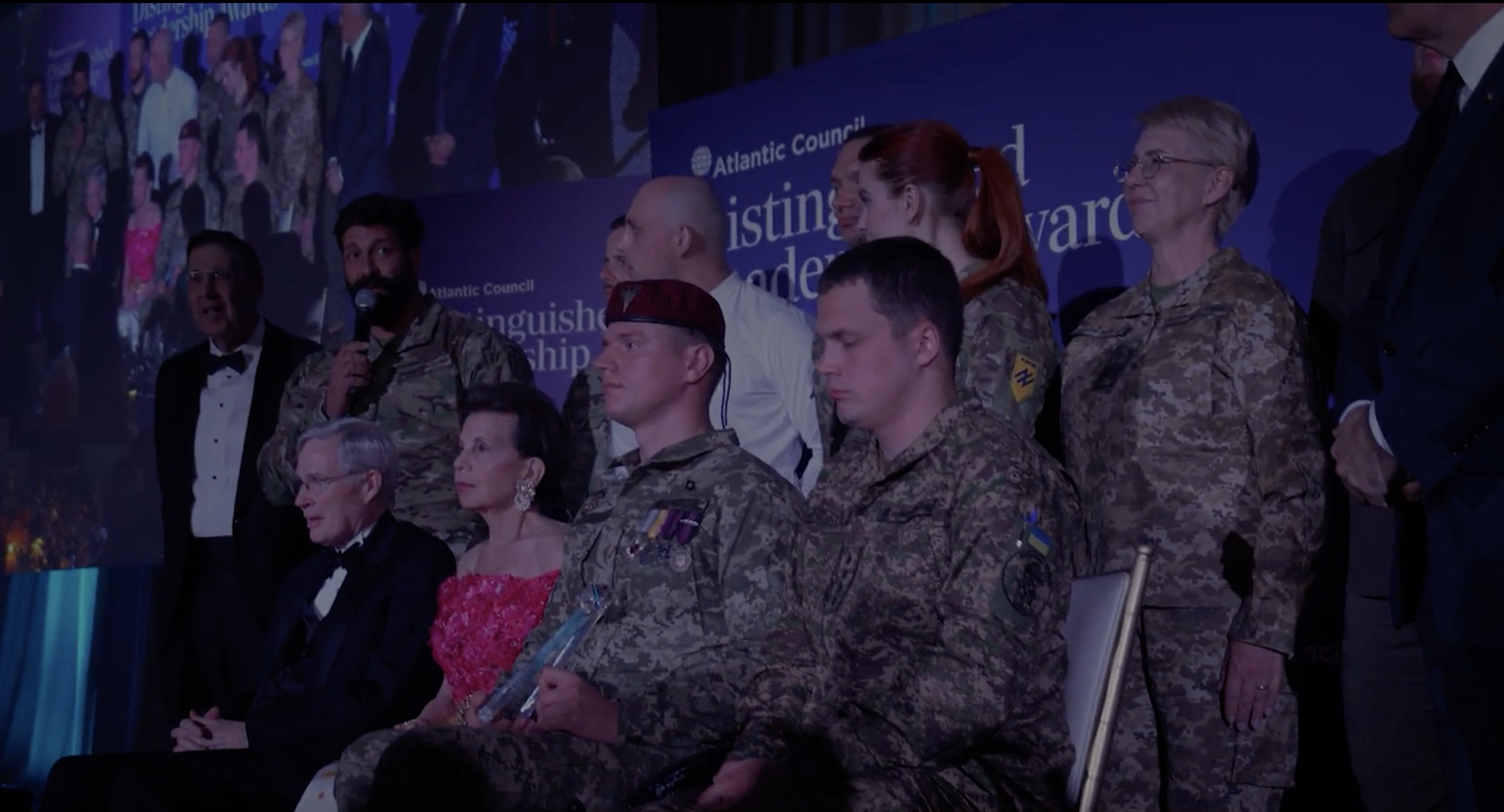
The Atlantic Council’s Eurasia Center promotes policies that secure vital US interests by strengthening stability, opposing aggression by US adversaries, and supporting democratic values and economic opportunities from Eastern Europe to Russia to the South Caucasus and Central Asia.
It was an eventful year for the Eurasia Center’s work on Ukraine and Russia, as the United States took a new approach to ending the Kremlin’s war of aggression. President Donald Trump staked significant diplomatic capital and energy on finding a peace deal, and the Eurasia Center worked tirelessly to provide options and context to the administration that could help secure a real, sustainable peace. Those efforts to inform and support a durable peace will continue in 2026 as the White House seeks to broker a deal, despite Kremlin intransigence.
The center engaged vigorously with officials and partners in Kyiv and across the Eurasia region. Most significant among these was a trip to the Ukrainian capital led by Atlantic Council CEO and President Frederick Kempe, as well as the center’s annual delegation of congressional staffers to Ukraine. Elsewhere, the pathbreaking Russia Tomorrow series entered its second year of publication and has become well known among Russia watchers for its forward-looking approach to transatlantic policy on Moscow. The Eurasia Center also began building a burgeoning portfolio on Central Asia to guide policymakers as Washington looks to deepen economic and diplomatic partnerships with the region.
The Europe Center works to inform and impact the policies, actions, and strategies of transatlantic decisionmakers on the issues that will shape the future of the transatlantic relationship. The Center’s convening power and network combine with its extensive research and real-time analysis to promote dialogue, build a forward-looking agenda for the transatlantic partnership, and find solutions to the geopolitical, economic, and technological challenges facing the United States and its European allies. With over a dozen workstreams covering key transatlantic, regional, and bilateral issues, the Europe Center makes the case for the transatlantic partnership as an important strategic asset for the United States and Europe alike.
2025 was a year of significant shifts in transatlantic relations. The change in US administration policies exposed divergences across economic policy, support for Ukraine, regulatory alignment, and long-term security and defense commitments. Against this backdrop, the Europe Center leveraged its expertise and relationships amid upheaval to help shape Europe’s evolution as a geopolitical actor, advancing a pragmatic transatlantic agenda through targeted thought leadership and high-level convening. In particular, its US-EU strategic dialogue series sought to set a constructive agenda for both partners to continue to work on—many elements of which were eventually put into policy, including defense spending commitments, a European reassurance force for Ukraine, and the Turnberry trade agreement between the United States and the European Union.
The Center hosted more than two hundred events, including more than one hundred engagements in Europe; authored more than one hundred reports and commentaries; and was cited in more than two hundred different media outlets.
In 2025, the Center also deepened its regional initiatives by supporting the launch of an Atlantic Council office in Bucharest—which serves as a second hub for the Council’s activities in the Central and Eastern Europe region—and strengthening the Center’s forward presence on Europe’s eastern flank by regularly convening experts and officials through the Warsaw Office. The Balkans Forward Initiative relaunched its Congressional Fellowship and elevated the profile of the region for the transatlantic audience. The Northern Europe Office organized a series of roundtables and workshops to inform the debate around Sweden’s and Finland’s changing security perceptions. The Center also bolstered the US-Central European partnership through its flagship Warsaw Week event series and doubled down on programming concerning Germany’s evolving role in Europe. The center’s Transatlantic Digital Marketplace Initiative published reports and held convenings on the EU’s evolving approach to developing sovereign tech capabilities, boosting its economic competitiveness and reducing its strategic dependencies.

The Freedom and Prosperity Center provides the basis for actionable changes to increase human well-being by driving evidence-based policymaking. The Center analyzes the links between prosperity, including human development, and a country’s levels of economic, political, and legal freedoms, empowering change makers to advance reforms that improve lives.
During 2025, the center published the first chapters of the 2026 Atlas: Freedom and Prosperity Around the World, hosted the inaugural Global Prosperity Forum in Washington, DC, launched the latest edition of its flagship indexes with the 2025 Freedom and Prosperity Indexes: How political freedom drives growth report. The Center also hosted its second annual religious freedom conference in Rome, launched the State of the Parties paper series, and completed the first ever Women for Prosperity mentorship program. Throughout the year, it organized convenings and published articles centered on the advancement of freedom and international development, with notable insights published in the Washington Post and shared at external events. All this work is rooted in data linking economic freedom, political freedom, and the rule of law to higher quality of life, with publications and events serving as critical pathways for illuminating and discussing country-specific policy recommendations.
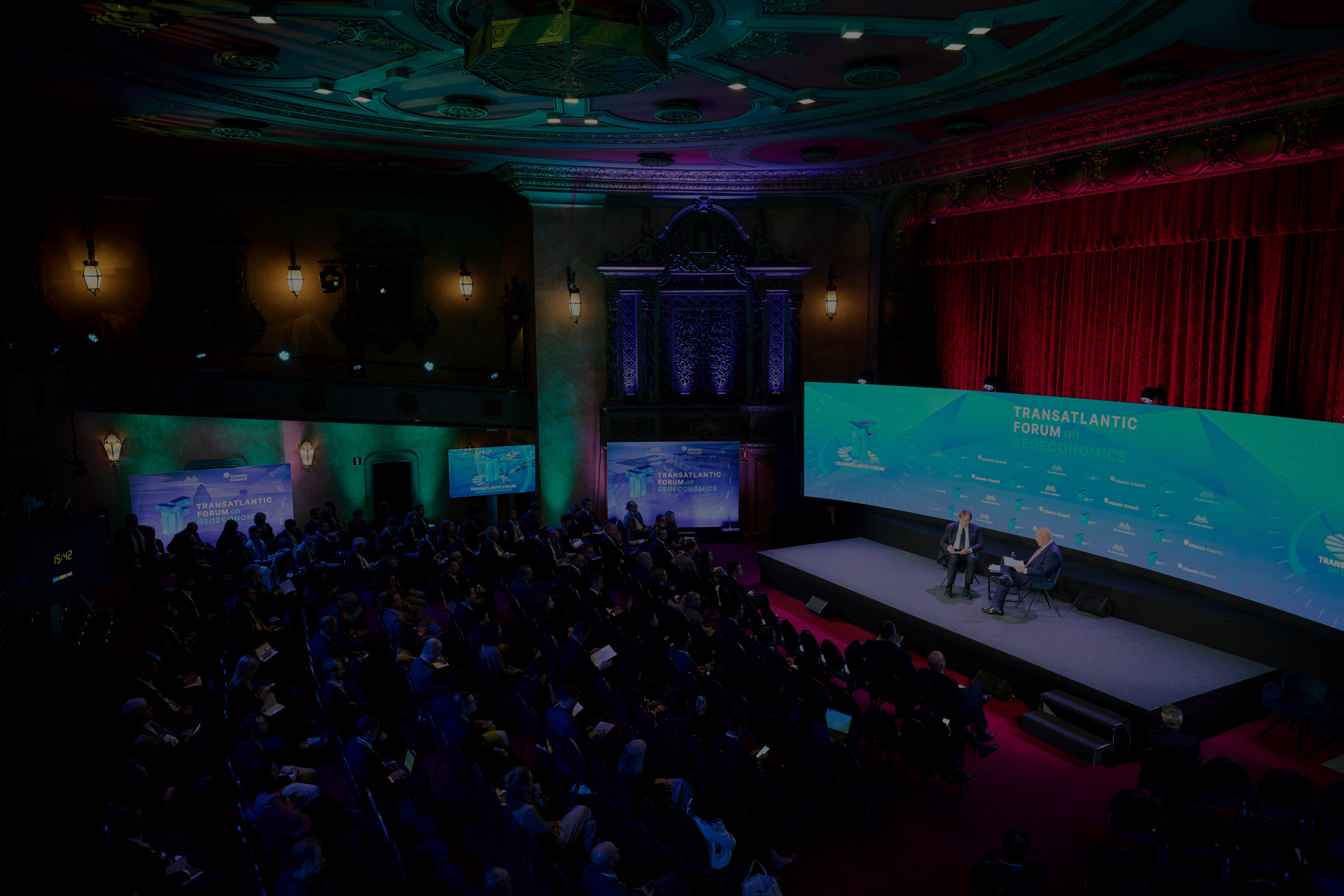
The GeoEconomics Center leads data-driven research, thought leadership, and high-level convening at the nexus of economics, finance, and foreign policy. The Center aims to bridge the divide between these oft-siloed sectors with the goal of helping shape a more resilient global economy. Its work is built on the conviction that the United States must lead with allies or risk becoming a bystander in a reshaped international financial system. The Center is organized around three pillars—the Future of Capitalism and Trade, the Future of Money, and the Economic Statecraft Initiative.
2025 saw the US fundamentally shift its economic relations with the rest of the world. The GeoEconomics Center and its Economic Statecraft Initiative deployed cutting-edge skills in data visualization, research, and convening to become a nexus of innovative policy ideas on trade, digital currencies, the future of the Bretton Woods Institutions, and economic statecraft. The Center is proud to be home for both the US government and US allies to understand new priorities and express their ambitions for a rapidly changing global economic order.
Tariffs leapt to the forefront of the agenda this year. With clear charts, smart summaries, spot-on forecasts, and regular updates, the Trump Tariff Tracker was the most viewed page on the Atlantic Council’s website in 2025. All three pillars of the Center’s work have been able to offer their unique analysis on the spillover effects of tariffs on dollar dominance and the Bretton Woods system while innovating in their own respective fields. The Future of Capitalism—which became the Future of Capitalism and Trade in 2025—mapped the dependencies of Group of Seven (G7) economies on China and covered the effects of China’s economic slowdown on Africa through detailed scenarios. The Future of Money launched a Digital Assets Taskforce including all key players in the sector to support the US Group of Twenty (G20) presidency and led the field in research on the rise of stablecoins. The Economic Statecraft Initiative continued to promote concepts it first coined such as the axis of evasion and positive economic statecraft, while deepening cooperation with the Global Energy Center through the new Energy Sanctions Dashboard, the updated Russian Sanctions Database, and a series of congressional testimonies and briefings.
The Center’s reach and its ability to bring light not heat to increasingly polarized debates are perhaps best proven by its list of top-tier speakers in 2025. Few centers in Washington or anywhere else could host the Banque de France Governor for a speech on “Europe’s moment” weeks after Trump’s “Liberation Day” tariff announcement and then, at the end of a busy year, welcome US Trade Representative Jamieson Greer for his first think tank event outlining the Trump administration’s trade strategy. The Center’s field-leading events at the spring and annual meetings of the International Monetary Fund (IMF) and World Bank Group added a new studio inside the World Bank to complement its IMF hub, and hosted NASDAQ CEO Adena Friedman and more than fifty finance ministers and central bank governors in collaboration with programs across the Council. And on just one September day in Brussels, the Center’s flagship conference—the Transatlantic Forum on GeoEconomics—hosted three EU commissioners and the US ambassadors to the EU and NATO.
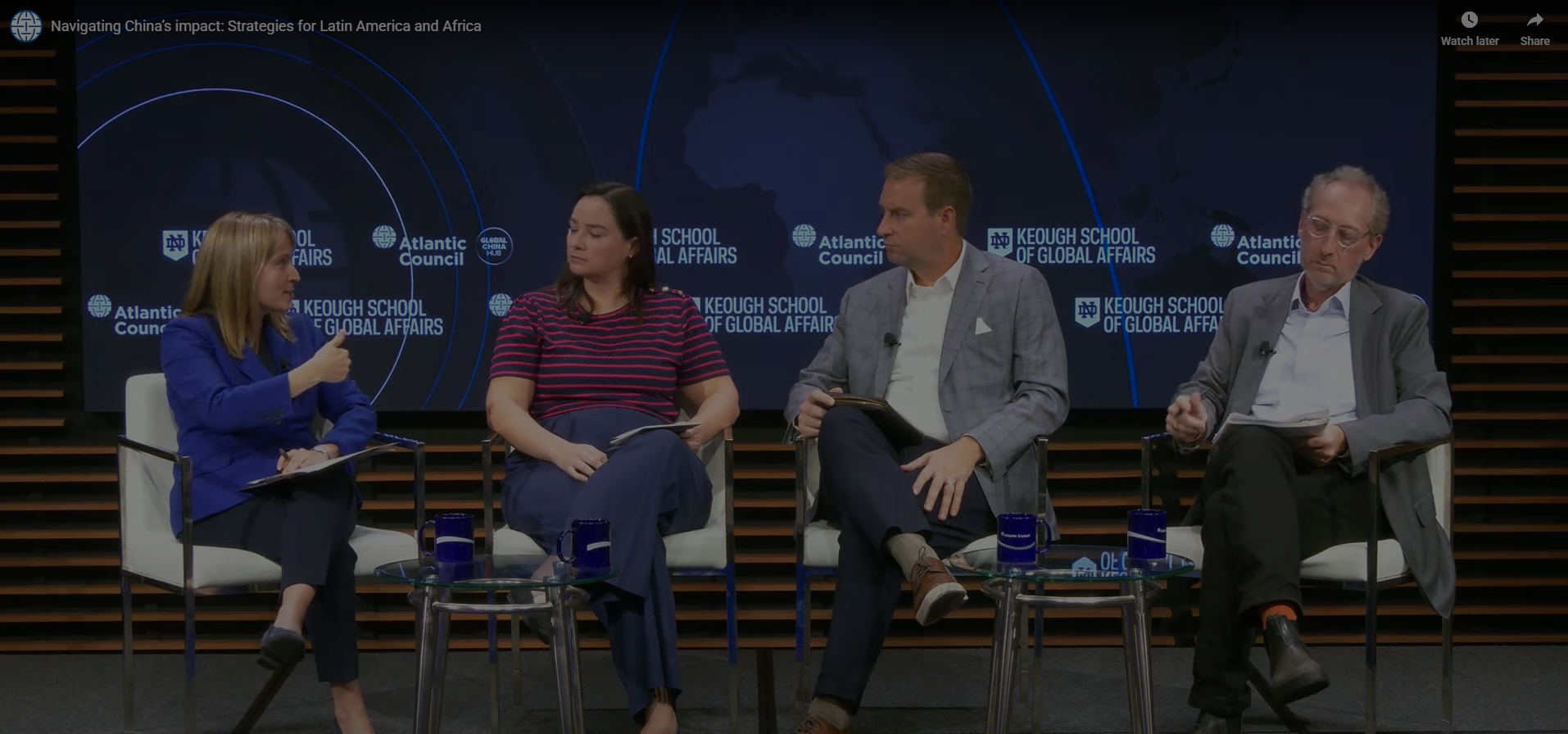
The Global China Hub tracks Beijing’s actions and their global impacts, leveraging its network of China experts around the world to generate actionable recommendations for policymakers in Washington and beyond.
In 2025, the Global China Hub delivered pathbreaking work on multiple fronts. The Hub joined forces with Notre Dame University to bring experts from Africa and Latin America to Washington to better understand how China’s rising influence impacts interests across both regions and how the United States and its allies can be better partners. On Taiwan, the Hub conducted deep field research across the island’s current diplomatic partners to better understand how those relationships support cross-strait deterrence and what the United States can do to help Taiwan maintain them. The Hub also brought an Atlantic Council delegation to Beijing to assess China’s latest technology developments and map the new frontiers of US-China competition.
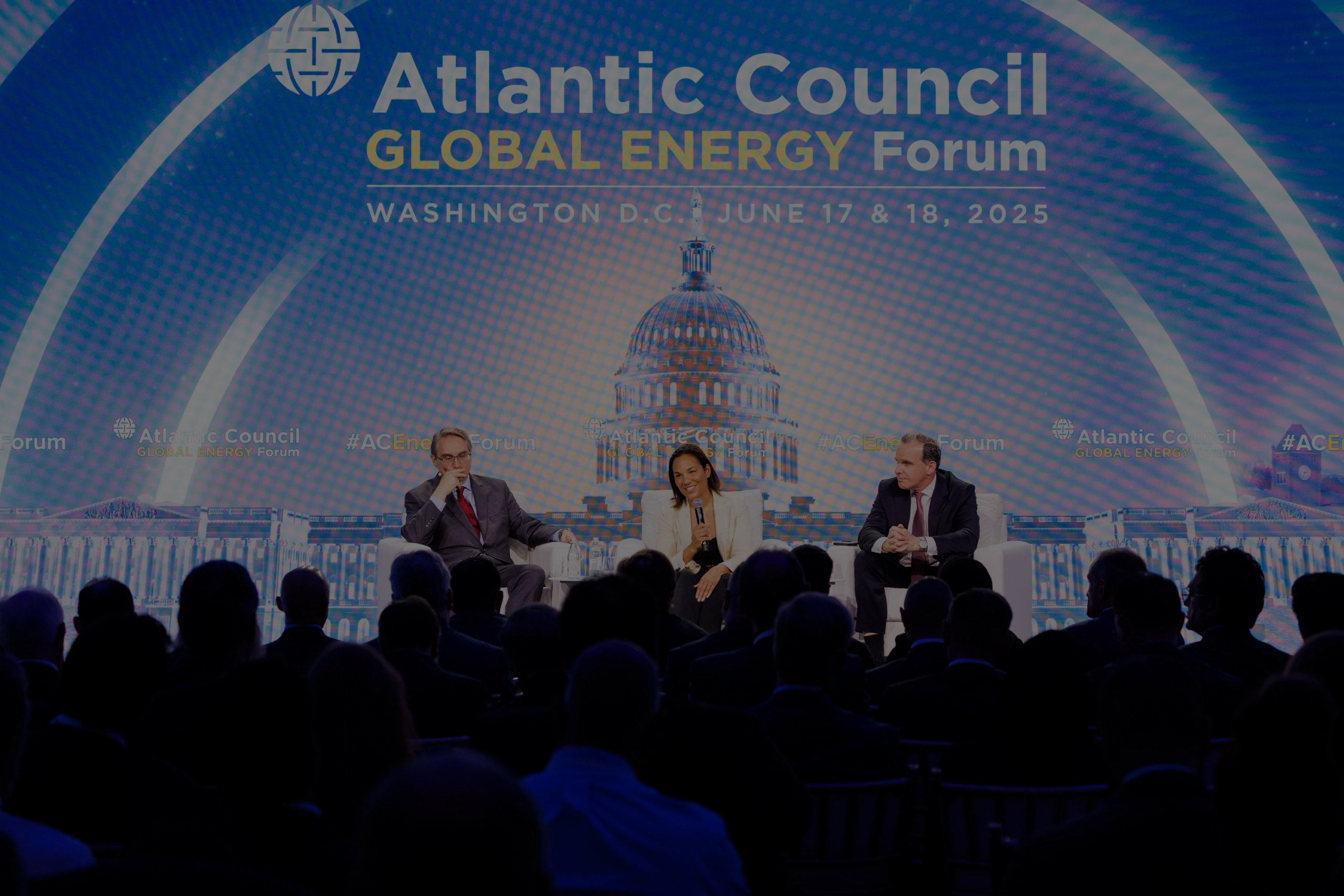
The Global Energy Center develops and promotes pragmatic and nonpartisan policy solutions designed to advance global energy security, drive economic opportunity, and foster a sustainable energy future.
Focusing on five cornerstone issues central to the rapidly evolving global energy landscape, the Center leverages its extensive network of in-house and external experts to convene high-level gatherings around the world—including the Council’s flagship annual Global Energy Forum—providing a platform for informed public debate on regional and global energy issues.
2025 would prove to be a watershed year when, after nine years of rapid growth, the Center brought the Global Energy Forum to Washington, DC, for the first time. The move from Abu Dhabi couldn’t have been more prescient, meeting a transformative geopolitical moment defined by a historic reordering of global relationships. As leaders from government, industry, and civil society sought to ensure their place in cooperative global dialogue around energy security, access, and sustainability, the forum provided an unparalleled platform for bringing disparate communities together to work toward these common goals. The event drew nearly two thousand participants from ninety-seven countries, making it the largest event in Atlantic Council history.

At a moment of rising global complexity, investing in exceptional leadership is a strategic imperative. The Millennium Leadership Program (MLP) is meeting this challenge by leveraging the Atlantic Council’s convening power, nonpartisan policy expertise, and global network to equip emerging leaders with the perspective, experience, and connections needed to lead on the world’s most pressing issues.
In 2025, MLP delivered three leadership programs—the flagship Millennium Fellowship, the inaugural European Leadership Accelerator, and the Millennium Leadership Intensive—with study tours to Malaysia, London, and the Middle East. Nearly one hundred new participants joined the MLP network.
The 2024–25 Millennium Fellowship was a nine-month hybrid program delivered with the help of Spencer Stuart, culminating in a study tour to Malaysia focused on the country’s evolving role in the Association of Southeast Asian Nations and its position between the United States and China. The 2025 European Leadership Accelerator, piloted in partnership with Apple, convened emerging leaders advancing Europe’s digital and green transitions, anchored by a three-day gathering in London. The 2025 Millennium Leadership Intensive was a three-month leadership and policy sprint that culminated in a study tour across the United Arab Emirates, Israel, and the Palestinian Territories, engaging political, economic, and civil society leaders across the region.
As MLP enters its twelfth year and the alumni community reaches nearly five hundred global leaders, the program is building on this momentum and preparing to convene its network at the inaugural Global Leadership Forum at the Atlantic Council’s headquarters in Washington, DC, in October 2026 to explore the kind of leadership needed for this geopolitical moment.

The Rafik Hariri Center and Middle East Programs serves policymakers in the United States, Europe, and across the Middle East and North Africa by providing new information and novel recommendations, providing unique platforms for private diplomacy, and informing the public about the complex opportunities and challenges facing the region.
A new Middle East emerged in 2025, and the staff and fellows of the Rafik Hariri Center and Middle East Programs rose to the challenge. While the region’s conflicts dominated the news, the Scowcroft Middle East Security Initiative remained at the forefront of policy debate in Washington. The Strategic Litigation Project continued to inject fresh thinking into how governments and practitioners can apply legal tools to advance human rights and accountability to the regime in Iran and to others around the world. And the North Africa program brought its leading expertise to policymakers and public audiences alike, while expanding its longstanding work in Italy.
2025 was also a year for changes and expansions. It included the launch of the MENA Futures Lab, focused on economics, finance, innovation, and human capital development across the region. The Center also launched a new Transatlantic Project to help better align US and European approaches to the Middle East. During the UN General Assembly, the center announced a new initiative to enhance relations between Europe and the Gulf states. The Center officially launched Realign for Palestine to develop a new approach to this long-running conflict. The Center brought in new leaders to expand its work on South Asia, revitalize the Iraq Initiative, and lead the Iran Strategy Project. On regional integration, the Center hosted the first I2U2 meeting since its inception and led a congressional delegation to the Middle East. At the same time, the Center was proud to see some of its alumni join the Trump administration and foreign governments, including the transitional leadership in Syria.
Over the course of the year, the Center held about one hundred events in the Atlantic Council offices, roughly half public and half private, including with ministers, ambassadors, and other senior officials from the United States and abroad, including Secretary of State Antony Blinken’s final policy speech on the outgoing administration’s plans for a post-conflict Gaza. The Center published over three hundred pieces on virtually every subject relating to the Middle East and North Africa region. Team members collectively visited almost every country in the region and were interviewed on just about every major news platform in the United States and abroad. And in 2026, the Center aims to have even more impact.
The Scowcroft Center for Strategy and Security works to develop sustainable, nonpartisan strategies to address the most important security challenges facing the United States and its allies and partners. The Center honors the legacy of service of General Brent Scowcroft, including his ethos of nonpartisan commitment to the cause of security, support for US leadership in cooperation with allies and partners, and dedication to the mentorship of the next generation of leaders.
The world is at a historic inflection point. The US-led global order that advanced peace, prosperity, and freedom for nearly eight decades is under strain from authoritarian aggression, political polarization, and a technological revolution. The Scowcroft Center for Strategy and Security is meeting the moment—strengthening the enduring pillars of US strategy, including a strong national defense and effective alliances, while updating the strategy for a new era.
The GeoStrategy Initiative continues to receive global recognition, including through the annual Global Foresight report, the Atlantic Council Strategy Papers series, and the Telly Award–winning “So What’s the Strategy?” video series—named for the question Scowcroft posed to colleagues throughout his career. The Forward Defense program also concluded its Software-Defined Warfare Commission, whose final report shaped Pentagon policy on software-defined warfare and subsequent defense acquisition reforms.
Around the NATO Summit in The Hague, the Transatlantic Security Initiative informed the Alliance’s unprecedented commitment to raise defense and defense-related spending to 5 percent of gross domestic product. Through high-level engagement and new tools, such as the NATO Defense Spending Tracker, the Center helped shift the focus from spending targets to the delivery of real military capabilities. At the same time, the Indo-Pacific Security Initiative convened tabletop exercises examining how the United States and its allies could confront simultaneous nuclear threats from China and North Korea—work that has shaped how senior officials, military officers, and leading experts across the region think and speak about regional deterrence.
In 2025, the Center expanded its focus on emerging and nontraditional threats by welcoming the Bipartisan Commission on Biodefense and launching the Adrienne Arsht National Security Resilience Initiative’s flagship report, which advanced a “resilience-first” approach to integrating preparedness for cyberattacks, pandemics, and natural disasters into national security strategy.
In honoring Scowcroft’s legacy of nonpartisanship, cooperation with allies, and mentorship, the Center is helping ensure the United States and its allies emerge stronger from this era of profound global change.