On Wednesday, January 28, at 3:00 p.m. ET, the Atlantic Council will host a fireside chat with Congressman Rob Wittman (R-VA), vice chairman of the US House Armed Services Committee, to discuss the National Defense Authorization Act (NDAA) for fiscal year 2026.
The 2026 NDAA focuses on modernizing US defense acquisition, strengthening the industrial base and supply chains, and accelerating security cooperation with allies and partners. It was signed amid a backdrop of rapid technological advancement and increasingly capable adversaries. With such trends, the United States is looking to strengthen its warfighting capabilities by accelerating its defense acquisition processes.
This conversation with Wittman will explore the state of defense acquisition and transfer reform, highlight the 2026 NDAA changes, consider new ways to employ emerging technologies, and examine how US allies and partners can play a greater role in strengthening shared objectives.
New policy: In-person attendees will be required to show photo ID upon arrival, and no on-site registration will be permitted. Guests will not be admitted later than twenty minutes after the event’s start time.
Complete the form below to register for this event.
join the conversation
Send our speakers a question—it may be featured during our event.
Featuring

The Hon. Rob Wittman
United States Representative (R-VA-01);
Vice chairman
House Armed Services Committee
Opening remarks

Frederick Kempe
President and Chief Executive Officer
Atlantic Council
Framing remarks

Dana (Keoki) Jackson, Sc.D.
Senior Vice President, General Manager
MITRE National Security
Moderated by

Matthew Kroenig
Vice President and Senior Director,
Scowcroft Center for Strategy and Security
Atlantic Council
Explore the programs
The Scowcroft Center for Strategy and Security works to develop sustainable, nonpartisan strategies to address the most important security challenges facing the United States and the world.
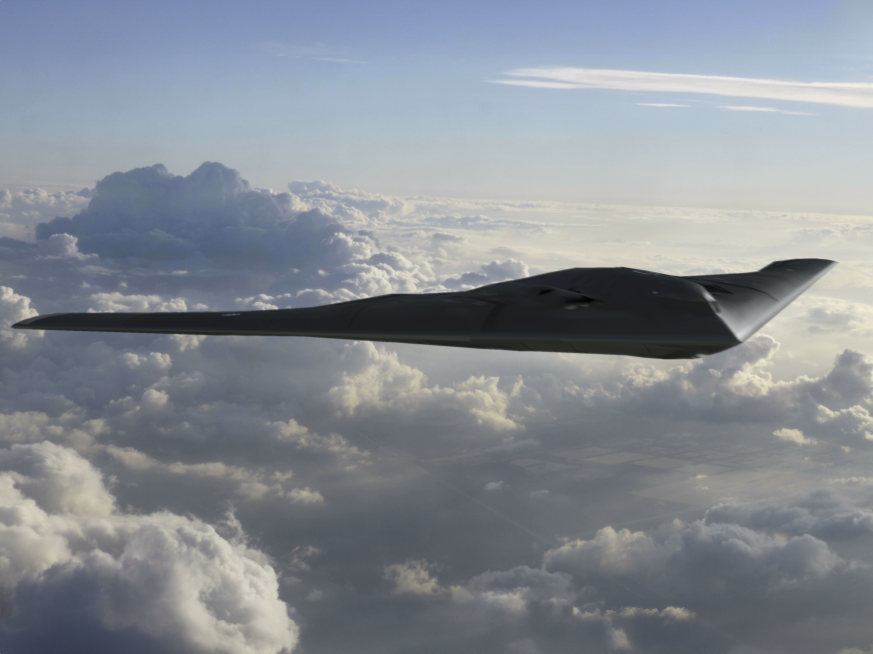
Forward Defense leads the Atlantic Council’s US and global defense programming, developing actionable recommendations for the United States and its allies and partners to compete, innovate, and navigate the rapidly evolving character of warfare. Through its work on US defense policy and force design, the military applications of advanced technology, space security, strategic deterrence, and defense industrial revitalization, it informs the strategies, policies, and capabilities that the United States will need to deter, and, if necessary, prevail in major-power conflict.
The Transatlantic Security Initiative aims to reinforce the strong and resilient transatlantic relationship that is prepared to deter and defend, succeed in strategic competition, and harness emerging capabilities to address future threats and opportunities.
Atlantic Council TV
Watch this event and more content on ACTV
Follow the conversations shaping our world. Available on all major platforms.