Nuclear priorities for the Trump administration: A time to decide
Bottom lines up front
- The United States now confronts a two-nuclear-peer threat environment for the first time in its history, requiring immediate decisions to expand and adapt its nuclear posture beyond Cold War–era assumptions.
- Existing US nuclear forces and policies, while fundamentally sound, are no longer sufficient to deter simultaneous strategic and regional nuclear challenges from China and Russia without additional deployed warheads and new theater capabilities.
- Absent decisive action on force sizing, nonstrategic nuclear capabilities, missile defense, and nuclear enterprise reform, US deterrence credibility and escalation control will erode in an increasingly coordinated adversary environment.
The United States faces a deteriorating global security environment, adversary governments engaged in unprecedented levels of coordination, and disruptive military and dual-use technologies shaping the future of warfare. In this context, Washington must brace for a seismic shift in the strategic landscape. This report offers recommendations to the Donald Trump administration for policy and investment decisions that will shape this new era of strategic competition in the United States’ favor.
Strategic threats facing the United States and its allies
For the first time in its history, the United States will soon need to deter two adversaries with nuclear arsenals as large as its own nuclear forces. China is undergoing the largest nuclear breakout since the height of the Cold War, Russia maintains the largest and most diverse nuclear weapons stockpile in the world, and both seek to leverage their nuclear capabilities to reshape the international order to be more suited to their interests and governing systems.1Madelyn R. Creedon, et al., “America’s Strategic Posture: The Final Report of the Congressional Commission on the Strategic Posture of the United States,” Institute for Defense Analyses, October 2023, 11, https://www.ida.org/research-and-publications/publications/all/a/am/americas-strategic-posture. Beyond the great powers, North Korea’s nuclear arsenal and Iran’s nuclear ambitions continue to pose threats to US national security.
China’s rapid nuclear buildup is key to its ongoing efforts to displace the United States at the center of the international system. Through its nuclear arsenal, Beijing will aim to coerce and deter Washington from pursuing its strategic interests regionally and internationally.2John Lee and Lavina Lee, “Implications of Chinese Nuclear Weapons Modernization for the United States and Regional Allies,” Hudson Institute, July 30, 2025, https://www.hudson.org/defense-strategy/implications-chinese-nuclear-weapons-modernization-united-states-regional-allies-john-lee. According to an authoritative US Department of Defense report, China will likely reach nuclear parity with the United States in deployable nuclear warheads by the mid-2030s.3Creedon, et al., “America’s Strategic Posture,” 12. Simultaneously, as part of its anti-area/area denial (A2/AD) architecture, China is fielding dual-capable, theater-range weapons systems able to carry either conventional or nuclear payloads.4Chris Andrews and Justin Anderson, “China’s Theater-Range, Dual-Capable Delivery Systems: Integrated Deterrence and Risk Reduction Approaches to Counter a Growing Threat,” Defense Threat Reduction Agency, August 2024, https://digitalcommons.ndu.edu/cgi/viewcontent.cgi?article=1001&context=wmdcenter-research. These systems, which are embedded in Chinese military plans under an “opaque” employment doctrine, complicate US escalation calculus and would introduce capability asymmetries in a regional standoff.5Ibid., 6.
As China surges toward parity with the United States, Russia maintains the world’s largest nuclear arsenal. Russia is armed with strategic, nonstrategic, and so-called “exotic” capabilities, all of which remain central to Russia’s strategy of coercion, intimidation, and escalation in regional conflicts and great-power competition.6Creedon, et al., “America’s Strategic Posture,” 17. The Strategic Posture Commission (SPC) notes that “Russian strategy and doctrine rely on strategic nuclear forces to deter a large-scale US nuclear response against the Russian homeland while Russia can escalate to limited nuclear war in theater if it chooses.”7Ibid., 92. Russia actively uses the threat of nuclear escalation to undermine US efforts to support NATO allies and Ukraine, as well as to pursue strategic objectives in Europe.8Ibid., 39.
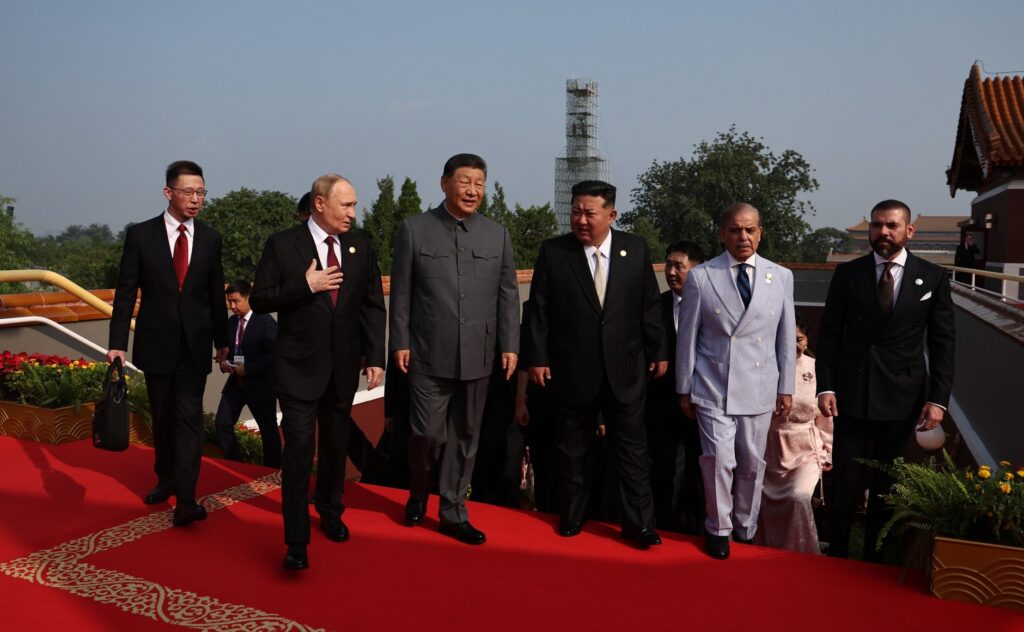
Further complicating US strategic calculus are the nuclear capabilities or ambitions of rogue states. North Korea remains committed to increasing its nuclear warhead stockpile and making advancements in nuclear and missile technology to expand the lethality of its program and coerce the United States and South Korea on the Korean Peninsula and beyond.9Mary Beth D. Nikitin, “North Korea’s Nuclear Weapons and Missile Programs,” Congressional Research Service, May 23, 2025, https://www.congress.gov/crs_external_products/IF/PDF/IF10472/IF10472.39.pdf; Markus Garlauskas, “Toplines: The United States and Its Allies Must Be Ready to Deter a Two-Front War and Nuclear Attacks in East Asia,” Atlantic Council, February 7, 2025, https://www.atlanticcouncil.org/in-depth-research-reports/report/toplines-the-united-states-and-its-allies-must-be-ready-to-deter-a-two-front-war-and-nuclear-attacks-in-east-asia/. Iran also remains committed to pursuing a nuclear weapons program.10“Iran’s President Vows to Rebuild Nuclear Facilities with ‘Greater Strength,’” Times of Israel, November 2, 2025, https://www.timesofisrael.com/irans-president-vows-to-rebuild-nuclear-facilities-with-greater-strength. While combined Israeli and US strikes against Iran’s nuclear infrastructure have significantly degraded the regime’s program, Iran has vowed to rebuild, meaning the threat persists.11Ibid.
The two-nuclear-peer-plus threat environment and growing collaboration between US adversaries present unprecedented challenges. The United States must now prepare for the possibility of concurrent or cascading conflicts in theater and across different regions with multiple nuclear-armed adversaries. Questions related to deterring multiple peer nuclear powers simultaneously and preventing opportunistic aggression must shape US nuclear strategy, employment guidance, force sizing, and conventional operations.
Strategy
As the United States faces two nuclear-armed peer adversaries, threats from emerging technologies, and limited prospects for the future of arms control, Washington must update its nuclear posture and planning to account for the realities of the next decade and beyond. Importantly, it is essential to make decisions regarding these changes now so that the United States is prepared to implement them in future years.
Even in this security environment, the traditional US nuclear strategy remains fundamentally sound. However, the United States must pursue a force posture, backed with the necessary new capabilities, that addresses the evolving challenges.
Declaratory policy
As the 2018 Nuclear Posture Review (NPR) emphasized, “given the range of potential adversaries, their capabilities and strategic objectives,” the United States requires a flexible, tailored nuclear deterrent.12“Nuclear Posture Review,” US Department of Defense, February 2018, 22, https://media.defense.gov/2020/May/18/2002302062/-1/-1/1/2018-NUCLEAR-POSTURE-REVIEW-FINAL-REPORT.PDF. With a full toolbox of conventional and nuclear options, US leaders will be better positioned to deter aggression, address crises, and, if necessary, manage escalation before and during conflict.
The United States should leave open a first-use option and, as the 2018 NPR states, “retain some ambiguity regarding the precise circumstances that might lead to a US nuclear response.”13Ibid. This would force an adversary to assume that US nuclear escalation is possible, even in response to a non-nuclear, strategic attack. Similarly, the United States should not adopt a sole purpose statement regarding the function of its nuclear weapons. Maintaining the current declaratory policy without adopting a no first-use policy or sole purpose statement supports US extended deterrence and increases allies’ assurance, as this ambiguity backstops conventional deterrence.
The United States should continue what is generally referred to as a counterforce targeting doctrine, which means not intentionally targeting population centers and deterring adversaries by holding at risk “key elements of their leadership, the security structure maintaining their leadership in power, their nuclear and conventional forces, and their war-supporting industry.”14Creedon, et al., “America’s Strategic Posture,” 30. A counterforce targeting policy is advantageous to US objectives in several key ways. Counterforce targeting complicates adversaries’ planning and introduces doubt about their ability to achieve objectives through nuclear use. The possibility of a US strike on adversary nuclear weapons casts a shadow over an adversary’s initiation of limited nuclear use. Further, targeting adversary nuclear weapons deters by targeting what authoritarian leaders value most; these regimes prioritize regime survival and the instruments that ensure it, such as nuclear forces, over the well-being of their populations. Russian President Vladimir Putin has demonstrated in Ukraine that even massive casualty figures will not deter him from pursuing his political goals, a mindset likely shared by China and North Korea.15Alexandra Vacroux, “Does Vladimir Putin Care What the War Has Cost Him?” Harvard University Davis Center, May 5, 2022, https://daviscenter.fas.harvard.edu/insights/does-vladimir-putin-care-what-war-has-cost-him; Mark F. Cancian, Matthew F. Cancian, and Eric Heginbotham, “Wargaming Nuclear Deterrence and Its Failures in a U.S.-China Conflict over Taiwan,” Center for Strategic and International Studies, December 13, 2024, https://www.csis.org/analysis/confronting-armageddon; John J. Hamre, et al., “North Korea Policy & Extended Deterrence,” Center for Strategic and International Studies, January 19, 2023, https://features.csis.org/north-korea-extended-deterrence/. By holding an adversary’s strategic forces at risk, the United States threatens the very tools on which these regimes rely for their survival, thereby reinforcing deterrence. Finally, counterforce targeting holds out the prospect of damage limitation. By holding the adversary’s leadership, strategic forces, and command and control (C2) at risk, the United States could limit the damage an adversary could inflict on the United States and its allies in a nuclear exchange.
Force sizing
With the New Strategic Arms Reduction Treaty (New START) set to expire in 2026 and China’s nuclear breakout challenging the current US deterrence posture, the United States must rethink how it sizes, structures, and postures its nuclear forces to ensure credible deterrence at both the strategic and regional levels.
Strategic forces
As the expiration of the New START treaty approaches in February, the administration must assess the future of the US nuclear force, ensuring it can maintain a credible second-strike capability against two nuclear peers, while supporting employment guidance. To do so, the administration must decide on how many strategic weapons it will need, determine the adequacy of the current triad modernization effort, evaluate upload capacity, and assess nuclear command, control, and communication (NC3) resilience.16Peter L. Hays and Sarah Mineiro, “Modernizing Space-Based Nuclear Command, Control, and Communications,” Atlantic Council, July 15, 2024, https://www.atlanticcouncil.org/in-depth-research-reports/issue-brief/modernizing-space-based-nuclear-command-control-and-communications/.
In addressing the two-nuclear-peer environment, the Trump administration should codify the SPC’s conclusion that the “nuclear force constructs can no longer assume that the nuclear forces necessary to deter or counter the Russian nuclear threat will be sufficient to deter or counter the Chinese nuclear threat simultaneously” and that, therefore, the program of record is “necessary but not sufficient.”17Creedon, et al., “America’s Strategic Posture,” 31. The notion of “necessary but not sufficient” outlined by the SPC saw traction toward the end of the Joe Biden administration with Pranay Vaddi, senior director for arms control at the National Security Council (NSC), stating, “Absent a change in the trajectory of adversary arsenals, we may reach a point in the comings years where an increase from current deployed numbers is required.”18Pranay Vaddi, “Adapting the U.S. Approach to Arms Control and Nonproliferation to a New Era,” Arms Control Association, June 7, 2024, https://www.armscontrol.org/2024AnnualMeeting/Pranay-Vaddi-remarks. With the growing recognition that the 1,550 treaty-accountable deployed strategic nuclear warheads will no longer be a viable force posture, senior leaders within the administration must determine how many additional deployed strategic warheads will be needed. This determination can only be calculated in a classified setting and is beyond the scope of this report.
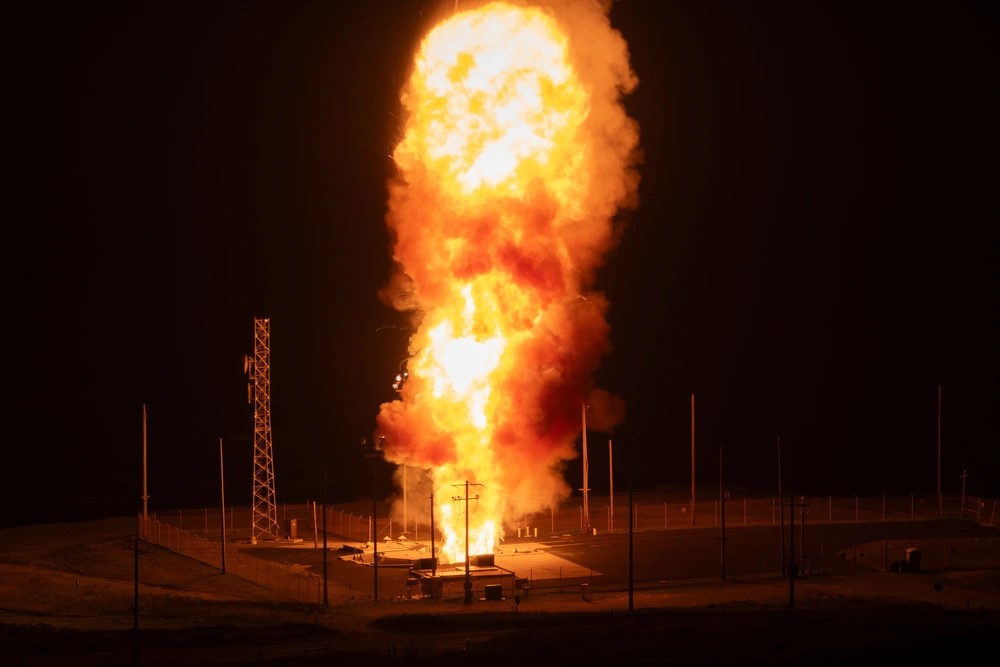
To increase deployed strategic nuclear warheads, the administration should adopt a two-track approach. The long-term strategy should be prioritizing the full execution of the nuclear modernization program of record (POR). This effort will require continued, disciplined investment in triad modernization, including delivery systems, NC3, and supporting infrastructure. As this long-term strategy is being executed, it is vital that a balanced nuclear triad, a key underpinning of US nuclear force strength and deterrence, is maintained. Imbalance within the triad—due to program costs, modernization pressures, and emerging threats—risks overreliance on one leg or undermining another. These imbalances could create new vulnerabilities for the force, encourage adversary preemption, and weaken strategic stability.19Paul Amato, “In Defense of the US Maintaining a Balanced Nuclear Triad,” Atlantic Council, September 29, 2025, https://www.atlanticcouncil.org/blogs/new-atlanticist/in-defense-of-the-us-maintaining-a-balanced-nuclear-triad.
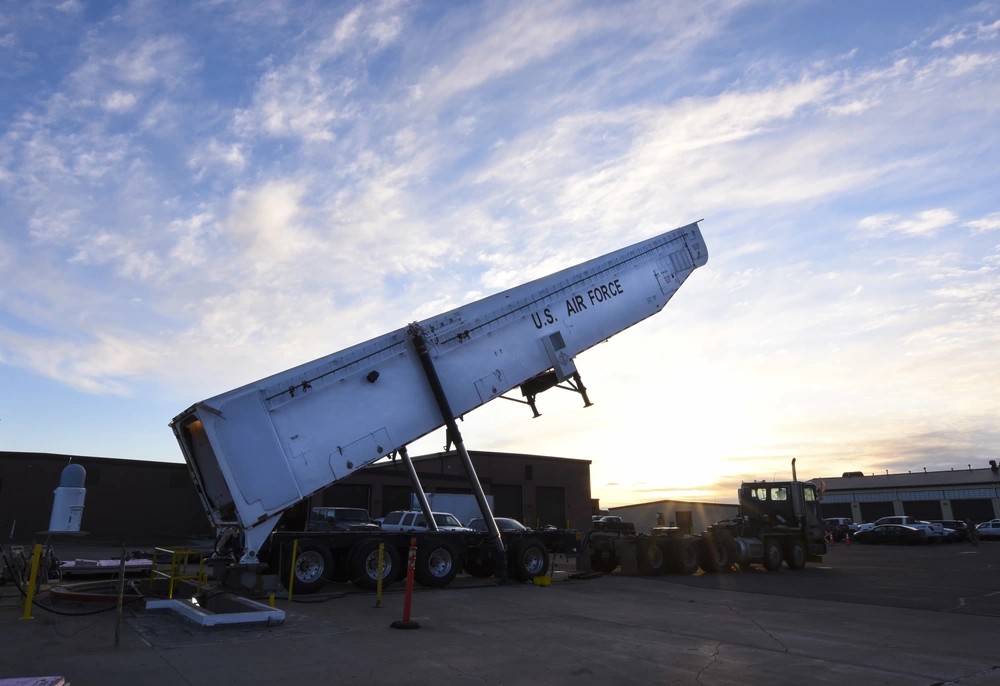
In the near term, to supplement the current force and address capability gaps, the United States should upload additional warheads onto extant delivery systems as soon as New START expires. The existing Minuteman III intercontinental ballistic missile force can accommodate additional warheads from the existing stockpile on multiple independently targetable reentry vehicles (MIRVs).20“Statement of Anthony J. Cotton,” Senate Committee on Armed Services, February 29, 2024, https://www.armed-services.senate.gov/imo/media/doc/cotton_statement.pdf. Additionally, the SPC recommends the Air Force and Navy “develop plans and procedures to ‘re-convert’ [submarine-launched ballistic missile] launchers and B-52 bombers that were rendered incapable of launching a nuclear weapon under New START.”21Joseph Trevithick, “Return to ICBMS Armed with Multiple Warheads Suggested by Stratcom Boss,” War Zone, February 29, 2024, https://www.twz.com/nuclear/return-to-icbms-armed-with-multiple-warheads-suggested-by-stratcom-boss. This would offer a short-term remedy to an increasingly insufficient force. The ability to upload additional warheads takes weeks to years, depending on the launch vehicle.22David J. Trachtenberg, “Assessing the 2022 Nuclear Posture Review,” National Institute for Public Policy, December 19, 2022, https://www.nipp.org/wp-content/uploads/2023/06/Proceedings-December-2022.pdf. Measures should be taken now to overcome some of the bottlenecks in this process (e.g., the limited number of cranes certified to hoist nuclear weapons)
Nonstrategic forces
The United States faces a growing asymmetry in nonstrategic, theater nuclear forces compared to Russia and China. The insufficient arsenal of nonstrategic weapons available limits the president and military leaders’ options in addressing escalation, undermining US regional deterrence efforts. The administration must decide how it intends to address these regional asymmetries through additional capability deployment, nuclear sharing, and changes to previous policy.
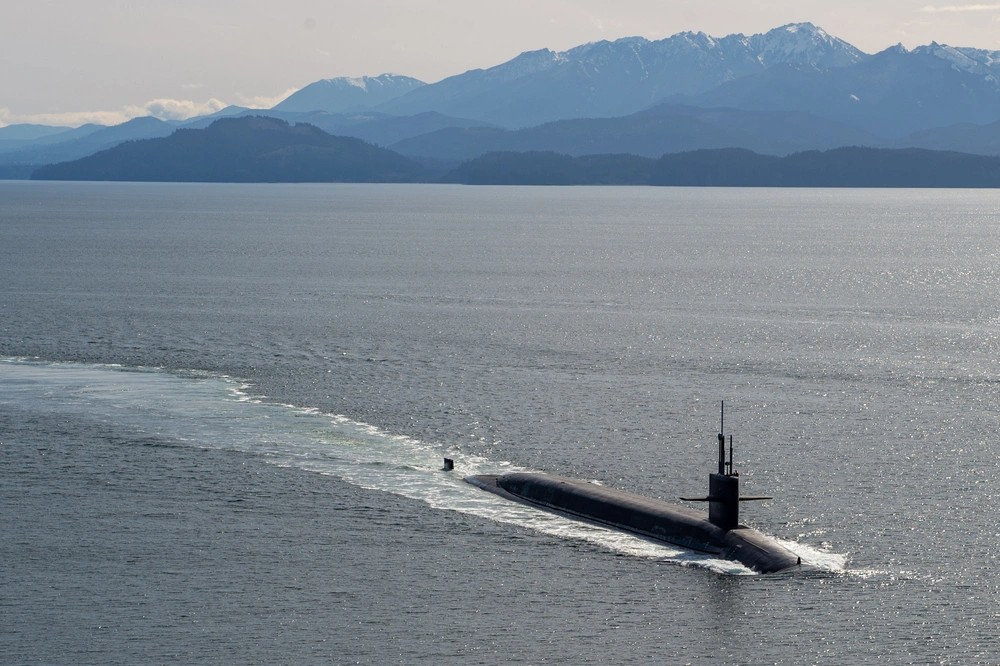
The United States’ nonstrategic force principally includes dual-capable aircraft (DCA) armed with B61-12 gravity bombs stationed in Europe as part of NATO nuclear sharing, with no presence in the Indo-Pacific. The United States also fields a handful of low-yield W-76-02 warheads on its submarine-launched ballistic missiles; while a prudent stopgap measure, these weapons have limitations that make them unattractive as a sole option for addressing the risk of limited nuclear use. The current nonstrategic nuclear capabilities of the United States are lacking in several factors: survivability, penetration of adversary defenses, target coverage, and presence in theater.23For more information see: Greg Weaver, “The Imperative of Augmenting US Theater Nuclear Forces,”Atlantic Council, April 11, 2025, https://www.atlanticcouncil.org/in-depth-research-reports/issue-brief/the-imperative-of-augmenting-us-theater-nuclear-forces/. The SPC recommended that deployed theater nuclear delivery systems have some or all of the following attributes.
- “forward-deployed or deployable in the European and Asia-Pacific theaters;
- survivable against preemptive attack without force generation day-to-day;
- a range of explosive yield options, including low yield;
- capable of penetrating advanced [integrated air and missile defenses] with high confidence;
- and operationally relevant weapon delivery timelines (promptness).”24Creedon, et al., “America’s Strategic Posture,” 49.
These attributes are similarly recommended in a study conducted by the Center for Global Security Research (CGSR).25Kristine Wong, ed., “China’s Emergence as a Second Nuclear Peer: Implications for U.S. Nuclear Deterrence Strategy,” Lawrence Livermore National Laboratory, Spring 2023, https://cgsr.llnl.gov/sites/cgsr/files/2024-08/CGSR_Two_Peer_230314.pdf.
To address the capability gap in theater, the administration should continue prioritizing the nuclear-armed submarine-launched cruise missile (SLCM-N), which was discontinued by the Biden administration but funded by Congress as part of the program of record. Additionally, the administration should consider a program to deploy nuclear-armed ground-launched cruise missiles (GLCM-Ns) on road-mobile launchers and nuclear-armed ground-launched ballistic missiles (GLBM-Ns) with alternative reentry vehicles.26Weaver, “The Imperative of Augmenting US Theater Nuclear Forces.” Both capabilities would be effective in the European and Indo-Pacific theaters.27Ibid. The administration could also consider pursuing a stand-off capability by redesigning a joint air-to-surface standoff missile (JASSM) around a nuclear payload, creating an in-theater nonstrategic triad.
The full deployment of ground-based nuclear systems and nuclear-armed JASSMs is unlikely due to budget constraints, trade-offs between nuclear and conventional force investments, and the National Nuclear Security Administration’s (NNSA) backlog. As a result, at a minimum, the administration should pursue the development of the SLCM-N to ensure the United States has an in-theater capability that meets the requirements outlined in the SPC.
Arms control and nonproliferation post-New START
The security environment has greatly changed since the New START arms control treaty was signed in 2010, and, as noted above, the United States will need to expand the size of its strategic-deployed nuclear arsenal. This means that the United States cannot extend the quantitative arms limits specified in New START.
Instead, the United States should identify and pursue new trilateral arms control agreements with both China and Russia, consistent with America’s new deterrence requirements. The Atlantic Council has outlined a number of frameworks for trilateral arms control in a previous study.28Kroenig and Massa, “Toward trilateral arms control: Options for bringing China into the fold,” Atlantic Council, February 4, 2021, www.atlanticcouncil.org/in-depth-research-reports/issue-brief/toward-trilateral-arms-control-options-for-bringing-china-into-the-fold/. It is unlikely that these efforts will succeed as China is unwilling to engage in good faith in arms control negotiations. Still, there are benefits to the United States continuing to make a good faith effort to control the strategic nuclear arms competition.
Absent a verifiable trilateral framework that includes China, the era of numerically binding arms control treaties is likely over for the foreseeable future. Still, Washington can and should pursue risk reduction measures, such as missile launch notifications, to reduce nuclear dangers.
Golden Dome for America
The administration laid out an audacious plan in the “Iron Dome for America” (later dubbed the “Golden Dome”) executive order (EO), but this policy requires significant further definition. To operationalize this initiative, the administration must define the core objective of the Golden Dome and, from there, establish an architectural concept and identify the near- and long-term research and engineering priorities necessary to achieve this vision.
Policy framework and architecture
The EO calls for “deploying and maintaining a next-generation missile defense shield.”29“The Iron Dome for America: Executive Order 14186,” Executive Office of the President, February 3, 2025, https://www.federalregister.gov/documents/2025/02/03/2025-02182/the-iron-dome-for-america. Of particular significance, the EO states “the architecture shall include, at a minimum, plans for:
- “Defense of the United States against ballistic, hypersonic, advanced cruise missiles, and other next-generation aerial attacks from peer, near-peer, and rogue adversaries;
- Acceleration of the deployment of the Hypersonic and Ballistic Tracking Space Sensor layer;
- Development and deployment of proliferated space-based interceptors capable of boost-phase intercept.”30Ibid.
In total, these objectives represent a major departure from existing US homeland missile defense (HMD) precedent. Implementing them would require not only the fielding of new capabilities but, in several cases, fundamental advances in research, development, and operational concepts.
The foundation of US missile defense policy remains the 1999 National Missile Defense Act, which directed the deployment of a system to defend the United States against limited ballistic missile attacks. Since then, successive administrations have built on this mandate, maintaining policies centered on safeguarding the homeland against nuclear-armed, long-range ballistic missiles from regional adversaries.31Rob Soofer, “‘First, We Will Defend the Homeland’: The Case for Homeland Missile Defense,” Atlantic Council, January 4, 2025, https://www.atlanticcouncil.org/in-depth-research-reports/report/first-we-will-defend-the-homeland-the-case-for-homeland-missile-defense. Current HMD policy states that the United States “will defend against air- and sea-launched cruise missile threats from any country but will only pursue defenses against ballistic missiles launched by rogue states.”32Ibid. Today, the US HMD architecture relies on forty-four ground-based interceptors (GBIs), with an additional twenty next-generation interceptors (NGIs) planned beginning in 2028.33Ibid. However, the EO’s directives indicate a significant shift in both policy and capability. Defending the homeland against the full spectrum of advanced missile threats, including hypersonic glide vehicles and long-range cruise missiles launched by peer adversaries, would represent a fundamental expansion of mission scope.
The recently passed “One, Big, Beautiful, Bill” allocates approximately $25 billion toward developing an integrated air and missile defense system.34“HASC/SASC Reconciliation Overview,” US House Armed Services Committee and US Senate Committee on Armed Services, last visited December 12, 2025, https://armedservices.house.gov/uploadedfiles/hasc_reconciliation_overview.pdf. While this funding provides a solid foundation to initiate the effort, achieving the EO’s ambitious goals will require sustained, multiyear investment that extends well beyond a single administration. This raises two critical questions. First, near-term execution: what steps can be taken in the immediate future to demonstrate tangible progress toward the president’s vision? Second, long-term viability: how can the administration institutionalize this effort to ensure its continuity and eventual success across future administrations?
The administration should pursue a layered, preferential defense architecture with a space-based element. Such a system would allow the United States to rapidly enhance its HMD using existing technologies, providing credible protection against limited, coercive missile attacks by peer or near-peer adversaries, as well as reinforce extended deterrence commitments.35For more reading on this subject, see: Soofer, “‘First, We Will Defend the Homeland.’”
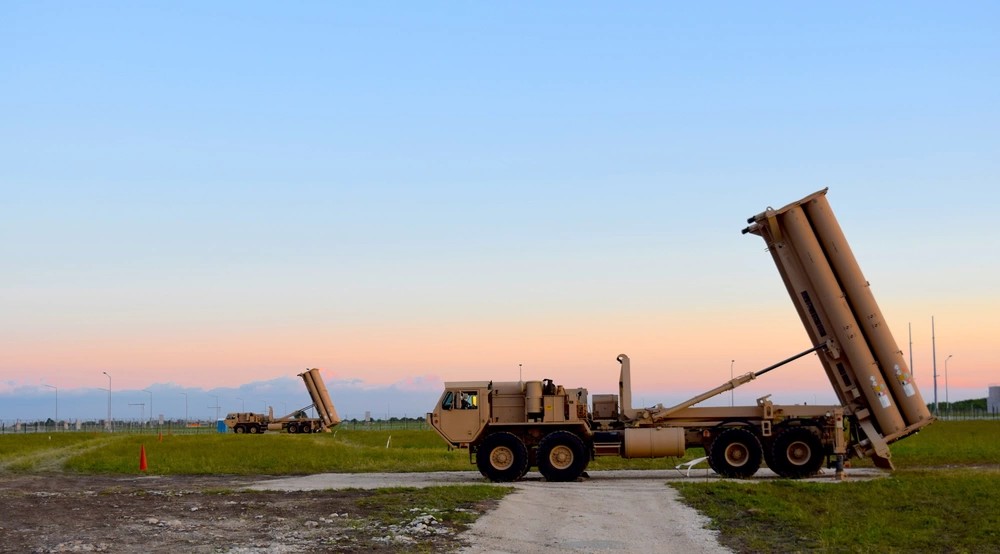
This near-term improvement could be achieved by augmenting the current GBIs and future NGIs with an additional defensive layer composed of the Navy’s Aegis Ashore systems, armed with SM-3 Block IIA interceptors, and the Army’s ground-mobile Terminal High Altitude Area Defense (THAAD) batteries.36Ibid. Integrating these systems into a cohesive HMD network would create additional engagement zones, improve shot opportunities, and strengthen resilience against complex missile threats.
While this layered defense strategy would mitigate immediate vulnerabilities and demonstrate measurable progress toward the EO’s objectives, realizing the full vision—including the deployment of proliferated space-based interceptors and the acceleration of the Hypersonic and Ballistic Tracking Space Sensor layer—will require sustained political and financial commitment. Continued progress will hinge on securing congressional buy-in to ensure consistent funding, program stability, and long-term strategic momentum across future administrations.
Nuclear enterprise
With the proposed changes to policy and capability, significant demand will be placed on the nuclear enterprise. As then NNSA Administrator Jill Hruby stated, “NNSA is being asked to do more than at any time since the Manhattan Project.”37Anya L. Fink, “The U.S. Nuclear Security Enterprise: Background and Possible Issues for Congress,” Congressional Research Service, August 15, 2025, https://www.congress.gov/crs-product/R48194. Meeting the Departments of Defense and Energy’s “plans to operate, sustain, and modernize current nuclear forces and purchase new forces,” would cost $946 billion over the 2025–2034 period.38“Projected Costs of U.S. Nuclear Forces, 2025 to 2034,” Congressional Budget Office, April 2025, https://www.cbo.gov/system/files/2025-04/61224-NuclearForces.pdf. To achieve the necessary increase in nuclear warheads and delivery systems, the administration must reform the broader nuclear enterprise. This means addressing not only the infrastructure and production capacity, but also the workforce.
To meet the surge in demand generated by the ongoing nuclear modernization effort, NNSA must establish a Rapid Response Office (RRO) as outlined by the FY2026 National Defense Authorization Act (NDAA).39National Defense Authorization Act for Fiscal Year 2026, S. 2296 (2025), 1754, https://www.congress.gov/119/bills/s2296/BILLS-119s2296es.pdf. This office, endowed with delegated authorities and flexible funding, would be empowered to rapidly design, prototype, and produce key components in response to emerging requirements. Such a capability directly supports the SPC recommendation that NNSA “meet the capability and schedule requirements of the current nuclear modernization program of record and the requirements of force posture modifications,” while maintaining the agility to “flex to respond to emerging requirements in a timely fashion.”40Creedon, et al., “America’s Strategic Posture,” ix.
At present, excessive review layers, rigid oversight procedures, and limited incentives for innovation have created an environment that is risk averse and process driven rather than mission driven.41“National Nuclear Security Administration: Fully Incorporating Leading Practices for Agency Reform Would Benefit Enhanced Mission Delivery Initiative,” Government Accountability Office, February 2025, https://www.gao.gov/assets/gao-25-106675.pdf. An RRO would enable the enterprise to operate under delegated acquisition authority, streamlined contracting lanes, and incentive structures that reward speed, innovation, and cost control.
However, even a more agile organization cannot succeed without a modern, resilient infrastructure. Decades of underinvestment have left the NNSA complex brittle, outdated, and, in many cases, dependent on single points of failure. Nearly 60 percent of NNSA’s facilities are more than forty years old, many dating back to the Manhattan Project era.42“NNSA Passes Major Milestone in Dispositioning Manhattan Project-Era Facilities,” National Nuclear Security Administration, April 26, 2021, https://www.energy.gov/nnsa/articles/nnsa-passes-major-milestone-dispositioning-manhattan-project-era-facilities. As NNSA moves to modernize critical capabilities—such as plutonium pit production, uranium processing, high-explosive manufacturing, and non-nuclear component production—these efforts have been undermined by cost and schedule overruns. As of August 2023, the agency’s eighteen major construction projects had a combined cost overrun of roughly $2.1 billion and cumulative schedule delays approaching ten years.43“National Nuclear Security Administration.” The Uranium Processing Facility alone faces potential additional delays of up to six years and a cost increase of approximately $3.8 billion.44Ibid.
While the SPC appropriately calls for Congress to “fund the full range of NNSA’s recapitalization efforts,” the scale and pace of these overruns make the current approach unsustainable.45Creedon, et al., “America’s Strategic Posture,” ix. To stabilize the modernization program and maintain capability continuity, NNSA should prioritize establishing redundant production capacity for plutonium pits and uranium components, reducing dependence on any single site and ensuring resilience in the event of technical or operational disruptions. In parallel, NNSA should establish a model similar to the Navy’s Working Capital Fund (NWCF) or Military Construction (MILCON) “no year” funds to mitigate year-to-year appropriation volatility. The NWCF “provides stabilized pricing to customers and acts as a shock-absorber to fluctuations in market prices during the year of execution.”46“Department of the Navy Fiscal Year (FY) 2026 President’s Budget: Justification of Estimates,” Department of the Navy, June 2025, https://www.secnav.navy.mil/fmc/fmb/Documents/26pres/NWCF_Book.pdf. MILCON “no year” funds “represent budget authority available for obligation indefinitely until expended, regardless of fiscal year.”47Drew C. Aherne, “Appropriations Duration of Availability: One-Year, Multi-Year, and No-Year Funds,” Congressional Research Service, June 7, 2024, https://www.congress.gov/crs_external_products/R/PDF/R48087/R48087.1.pdf. Adopting these models for NNSA would allow for continuous and flexible funding of long-term recapitalization projects, reducing costly stop-start inefficiencies that currently plague major construction programs.48“National Nuclear Security Administration.”
The final critical challenge to meeting enterprise demand is workforce retention and generational turnover. The Enhanced Mission Deliverer System Initiative (EMDI) report found that the nuclear security enterprise faces “tremendous workforce attraction and retention issues,” with roughly 40 percent of the NNSA workforce having less than five years of experience within the enterprise.49Ibid Compounding this challenge, “more than one-third of the nuclear security workforce will be eligible for retirement within the next five years,” risking the loss of decades of institutional knowledge and technical expertise.50“Leadership Development Program Proves Highly Successful Recruiting and Retention Tool,” National Nuclear Security Administration, July 21, 2022, https://www.energy.gov/nnsa/articles/leadership-development-program-proves-highly-successful-recruiting-and-retention-tool.
To mitigate these workforce gaps, the administration should act on the SPC’s recommendation to “establish and increase the technical education and vocational training programs required to create the nation’s necessary skilled-trades workforce for the nuclear enterprise.”51Creedon, et al., “America’s Strategic Posture,” ix. This should include expanding partnerships between NNSA, the Department of Education, and industry to fund specialized STEM (science, technology, engineering, and math) pipelines, apprenticeships, and advanced degrees in nuclear engineering, materials science, and manufacturing. Strengthening the talent pipeline and institutionalizing mentorship programs will be essential to maintaining design, production, and sustainment capabilities across the next generation of the nuclear security enterprise.
Strategy implementation
US nuclear strategy will only be as successful as its implementation plan. The administration must focus on two key areas of implementation: senior-leader buy-in and implementation across the combatant commands.
Sole authority for nuclear use remains with the president of the United States. While it might be impractical to involve the president personally in exercises and wargames, it is essential that senior-level defense and political leaders participate in nuclear exercises at a significantly higher cadence than they have in the past.
US Strategic Command continues to implement US nuclear strategy in operational plans but, as the salience of theater nuclear forces and the potential for limited nuclear use increase, it is more important than ever that US European Command, US Indo-Pacific Command (and its sub-unified commands), and others integrate the potential for nuclear use and the management of escalation below and across the nuclear use threshold into their operational plans and exercises. The services must also take escalation management and operations in a post-nuclear-detonation environment more seriously in their development of capabilities; tactics, techniques, and procedures; and professional military education.
Conclusion
The United States stands at a critical inflection point. For the first time in history, it must simultaneously deter two peer nuclear adversaries. The post–Cold War assumptions that guided past force planning are no longer sufficient, and senior defense leaders must reorient nuclear and missile defense policies at both the strategic and theater levels to meet today’s complex threat environment. Key decisions must be made regarding a post-New START force structure, including addressing widening capability gaps in nonstrategic forces. At the same time, policy and funding guidance is required to operationalize the Golden Dome executive order, balancing near-term implementation with long-term architectural objectives. Finally, the United States must ensure that the nuclear enterprise possesses the infrastructure, production capacity, and skilled workforce necessary to execute the nation’s nuclear strategy, which requires sustained and substantial investment in modernization, resilience, and workforce development. For eighty years, the United States has sustained the rules-based international order, helping to produce a level of stability and international collaboration without historical precedent. At the crux of this stability is a credible and extended US nuclear deterrent, which has constrained revisionist powers and upheld the integrity of global norms. A resilient nuclear posture, capable of deterring two nuclear peers simultaneously, remains the most effective safeguard against great-power war and a prerequisite for sustaining US global leadership.
About the authors
Matthew Kroenig is vice president and senior director of the Atlantic Council’s Scowcroft Center for Strategy and Security. Kroenig was appointed by the US Congress as a commissioner on the Congressional Commission on the Strategic Posture of the United States. He previously served in the Department of Defense and the intelligence community. Kroenig is also a tenured professor of government and foreign service at Georgetown University. He holds an MA and PhD in political science from the University of California at Berkeley.
Jonathan Rosenstein is a program assistant in the Forward Defense program of the Atlantic Council’s Scowcroft Center for Strategy and Security, where he supports work on nuclear strategy and space security. Rosenstein is a recent graduate of the George Washington University’s Elliott School of International Affairs, where he earned his master’s degree in security policy studies with a concentration in US national security, and he holds a bachelor’s degree from Tulane University.
Acknowledgements
The authors wish to acknowledge Dr. Robert Soofer for his inputs to this paper, all of which were completed before his return to the US government in 2025. They wish to acknowledge Mark Massa and Alyxandra Marine for their assistance in reviewing and editing this paper.
The Atlantic Council’s Scowcroft Center for Strategy and Security conducts work on nuclear and strategic forces, which is supported by donors including the Carnegie Corporation of New York, Lockheed Martin Corporation, Los Alamos National Laboratory, Northrop Grumman Corporation, RTX Corporation, the Smith Richardson Foundation, the United States Department of Defense, and the United States Department of State, as well as through general support to the Scowcroft Center for Strategy and Security.
Explore the programs
Forward Defense leads the Atlantic Council’s US and global defense programming, developing actionable recommendations for the United States and its allies and partners to compete, innovate, and navigate the rapidly evolving character of warfare. Through its work on US defense policy and force design, the military applications of advanced technology, space security, strategic deterrence, and defense industrial revitalization, it informs the strategies, policies, and capabilities that the United States will need to deter, and, if necessary, prevail in major-power conflict.
The Scowcroft Center for Strategy and Security works to develop sustainable, nonpartisan strategies to address the most important security challenges facing the United States and the world.
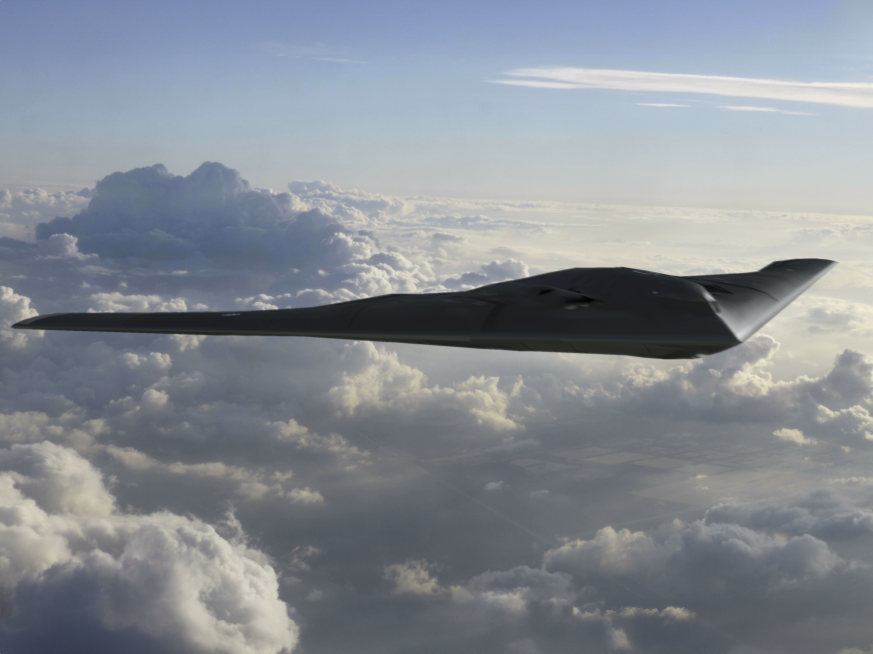
Image: A B-2 Spirit soars through the sky after a refueling mission, 30 May, 2006. (US Air Force Photo by: Staff Sgt Bennie J. Davis III)