The evolution of Latvia’s defense and security policy in resilience building
Table of contents
- Executive summary
- Introduction
- A comprehensive approach to defense and resilience
- Key pillars of Latvian resilience
- Challenges and future imperatives for resilience
- Annex 1: Management structure
- Annex 2: Framework of concepts, plans, laws, and regulations
Executive summary
Latvia has significantly evolved its defense and security policy, focusing on national resilience as a cornerstone of its statehood, as analyzed in LVARes: The Evolution of Latvia’s Defense and Security Policy in Resilience Building, a project of the Centre for East European Policy Studies and the Atlantic Council. This transformation is anchored in Latvia’s Comprehensive National Defense (CND) framework, a whole-of-society strategy that integrates civilian, military, and private-sector efforts to deter aggression and manage crises. Key to this approach are legal underpinnings from evolving state defense concepts and amendments to foundational laws like the National Security Law.
Pillars of this resilience include ensuring the continuity of essential services and critical infrastructure, with a shift from mere asset protection to guaranteeing operational functionality through public-private partnerships and an enhanced role for municipalities. Regular exercises like Namejs and Pilskalns test these preparations.
To counter hybrid threats, Latvia formally recognizes the information space as a defense domain, implementing multilayered strategies that combine government-led strategic communications, support for independent media, civil-society engagement against disinformation, and international cooperation, notably through hosting the NATO Strategic Communications Center of Excellence. Societal resilience is further boosted by public-preparedness campaigns like “72 Hours: What to do in case of a crisis,” media literacy programs, and integrating national defense education, including psychological defense and nonviolent civil resistance, into curricula.
Significant reforms are modernizing Latvia’s crisis management, with the planned National Crisis Management Center (CMC) under the prime minister, centralizing coordination and decision-making. Civil-protection measures are strengthening as well, with new legislation for public shelters and updates to the State Civil Protection Plan.
International cooperation is indispensable, with NATO providing collective defense, the EU offering funding and policy coordination, and robust bilateral ties with the United States and regional cooperation with Baltic and Nordic partners. The LVARes project itself exemplifies Latvia’s proactive international engagement in studying national capabilities, raising awareness, and sharing best practices.
Challenges persist, including resource constraints, interagency coordination complexities, evolving threats, and the need to bolster societal cohesion. Future imperatives involve fully operationalizing the CMC, implementing the shelter program, sustained investment in capabilities, and deeper public engagement in CND. Strategic recommendations for policymakers emphasize CMC effectiveness, civil-protection investments, public-private partnerships, psychological resilience, volunteer engagement, and integrating nonviolent resistance. For international partners, continued support for Latvian capability development, amplifying LVARes findings, facilitating resilience benchmarking, and supporting cross-border exercises are crucial. Through these efforts, Latvia fortifies its security and contributes valuable lessons to the Euro-Atlantic community.
Introduction
The contemporary security environment is characterized by an array of complex and interconnected threats. These range from the potential for conventional military aggression to the more pervasive and persistent challenges of hybrid warfare, sophisticated information operations, and malicious cyber activities. Russia’s aggressive foreign policy and its full-scale war against Ukraine have significantly amplified these threats, underscoring the vulnerability of states in the region and the urgent need for robust national preparedness. Latvia’s position as a frontline state of both the North Atlantic Treaty Organization (NATO) and the European Union (EU), sharing a direct border with the Russian Federation, has inherently shaped its national security posture and necessitated a continuous adaptation of its defense strategies, pushing for an essential shift in Latvia’s defense thinking.
The traditional focus on military defense, while still fundamental, is increasingly understood as insufficient on its own. Consequently, Latvia has progressively embraced a broader concept of national resilience encompassing not only military strength but also the resilience of its society, the continuity of government and essential services during crises, the protection of critical infrastructure, and the cultivation of psychological defense among its populace. This evolution reflects a growing understanding that national security in the twenty-first century is a whole-of-society endeavor.
Latvia’s pursuit of national resilience is not confined to a single strategy but is realized through a multifaceted approach that addresses various dimensions of security. These include ensuring the operational continuity of essential services and the resilience of critical infrastructure, actively countering hybrid threats in the information and cyber domains, fostering broad societal resilience through public preparedness and education, and acknowledging the potential role of nonviolent civil resistance. The aim of this report is to systematically analyze the evolution in Latvia’s defense and security policy, particularly its implementation of a comprehensive national defense framework, and to share the insights and lessons learned with allies, partners, and the broader public to enhance collective security in the Euro-Atlantic region.
A comprehensive approach to defense and resilience
Latvia’s approach to national defense has undergone a significant evolution, moving from a primary focus on conventional military capabilities and professional military service orientation toward a more encompassing strategy known as Comprehensive National Defense (CND). Adopted in 2018, the CND system is designed to ensure security and crisis preparedness across all sectors of the state and society, thereby enhancing Latvia’s overall deterrence posture and its resilience against armed conflicts or a wide spectrum of potential crises. The overarching aims of CND are the following:
- Preparing the Latvian population to actively participate in the defense of their country.
- Facilitating efficient and effective crisis management at the national level.
- Ensuring the continuity and support of critical state functions, including government operations, energy supply, healthcare, and logistics, even under duress.
A fundamental and defining characteristic of Latvia’s CND is its “whole-of-society” approach, which recognizes that national defense and resilience are not the sole responsibility of the armed forces or government ministries but require the active involvement and cooperation of every element of society. This comprehensive vision entails the systematic integration of municipalities, the owners and managers of both public and private critical infrastructure (spanning sectors such as energy, communications, finance, and healthcare), nongovernmental organizations, the broader business community, and individual citizens into national defense planning and preparedness efforts.
A significant emphasis within this approach is placed on building and nurturing mutual trust and robust partnerships between public authorities at all levels and private-sector entities. These collaborative efforts are seen as essential for creating a networked civil and military defense system where each component is prepared and able to work in sync. The success of the CND model hinges on the ability to overcome traditional challenges and foster a shared sense of responsibility for national security.
The whole-of-society approach is further strengthened through the way the CND is managed and its legal basis, both of which are designed as a multitiered framework to ensure a whole-of-government and -societal approach to national resilience. The management structure (detailed in Annex 1) integrates political leadership, ministerial responsibilities, operational agencies, local governments, and societal actors to prepare for and respond effectively to a diverse spectrum of threats, ranging from military aggression to civil emergencies. Whereas the framework of strategic concepts, national plans, legal acts, and supporting regulations (a detailed list provided in Annex 2) ensure that CND is not merely a theoretical construct but a systematically planned and implemented national effort. Strategic concepts like the National Security Concept and the State Defense Concept, both approved by the parliament, articulate Latvia’s high-level strategic assessments, goals, and priorities in response to the evolving security environment, providing the overarching vision and direction for the development of the CND.
This approach also aligns with the direction set by NATO at its 2016 Warsaw Summit, where the Alliance adopted seven baseline requirements for national resilience. For the first time, NATO established clear conditions that member states’ civilian institutions must meet to support Article 4 and 5 military operations. These requirements include: continuity of government and critical services; resilient energy, food, and water supplies; the ability to manage uncontrolled population movements; resilient civil communication and transportation systems; and the capacity to handle mass casualties. In this regard, Latvia’s CND system goes beyond these NATO requirements by also incorporating societal resilience and the involvement of the private sector in defense operations and other aspects.
Alongside NATO’s framework, relevant EU-level initiatives provide significant complementary support for resilience. These include the EU’s crisis-management framework, particularly its Civil Protection Mechanism, and the Military Mobility initiative, which supports development of civilian infrastructure to facilitate the rapid movement of military forces across Europe. These efforts directly reinforce both NATO and national resilience objectives, providing practical tools and funding to enhance collective defense.
Beyond multilateral alliances, Latvia cultivates strong bilateral partnerships and engages actively in regional cooperation formats to enhance its security and resilience. The 2020 State Defense Concept emphasizes the strong military cooperation between Latvia and the United States, highlighting the long-standing and highly valued partnership between the Latvian National Armed Forces and the Michigan National Guard. The United States is widely regarded as a major strategic partner for Latvia’s security and independence.
The three Baltic states also work closely together to develop their collective security and defense capabilities. This cooperation includes joint efforts to strengthen their external borders, deepen collaboration in civil protection and crisis management, combat disinformation through shared intelligence and strategies, and enhance overall societal resilience. Joint military exercises are also a regular feature of this trilateral cooperation.
Nordic-Baltic cooperation provides another layer of security collaboration. Latvia’s comprehensive defense approach shares many similarities with the strategies adopted by Nordic countries, facilitating mutual learning and coordinated efforts. The Nordic and Baltic countries have also demonstrated solidarity through joint statements and coordinated actions, for example, in reaffirming their support for Ukraine.
Latvia’s multifaceted international engagement—spanning NATO, the EU, key bilateral relationships such as with the United States, and intensive regional cooperation—is not merely about receiving security assistance or aligning with external frameworks. It increasingly reflects a strategy of proactive contribution. As a frontline state that has rapidly developed its resilience concepts and capabilities in response to direct and evolving threats, Latvia is well-positioned to share valuable expertise and lessons learned.
Key pillars of Latvian resilience
Since the adoption of CND, Latvia has pursued a comprehensive approach to defense based on an understanding that every element of the government and population plays a part in creating a networked civil and military defense system—and recent lessons from Ukraine’s resistance to Russian aggression have further reinforced this understanding. This approach grew out of necessity: Latvia, a small country with limited strategic depth, neighbors Russia, a large, aggressive military power that has attacked countries in its so-called near abroad. Latvia’s approach, like those of its fellow Nordic-Baltic countries, is built on a straightforward idea that the country’s civil and military defense systems can achieve a greater deterrence and defense impact if they collaborate and if each part is prepared. Meanwhile, Latvia’s pursuit of national resilience is not confined to a single strategy but is realized through a multifaceted approach that addresses various dimensions of security.
While the CND concept encompasses eight dimensions, ranging from military development to psychological resilience, our report examines it through four perspectives: military, civil, societal, and governmental resilience. This approach allows for a cohesive, strategic evaluation of the dimensions of readiness without sacrificing the scope of the original concept.
Military resilience
Latvia’s military resilience is a central aspect of its national defense, resting on the fundamental pillars of domestic responsibility for developing its own capabilities and a robust collective defense provided by its allies.
Lessons learned from Russia’s aggression in Ukraine since 2014 have driven initiatives to ensure that Latvian institutions and society can respond effectively to any unconventional or hybrid threat scenarios. Changes to the National Security Law have empowered the National Armed Forces (NAF), from the lowest level up, with the authority to respond to any military threat, conventional or unconventional, even without immediate orders from the political leadership. The law explicitly states that armed resistance may not be prohibited in times of war or occupation and affirms that every citizen has the right to take up arms to resist an aggressor. This legal framework solidifies the principle of total defense, ensuring that the entire nation is prepared and authorized to contribute to the defense of the country.
To maintain this posture, Latvia has steadily increased its defense budget. By 2018, Latvia had met the NATO defense spending goal of 2 percent of gross domestic product (GDP), which has significantly contributed to the development of military capabilities, including within the National Guard. Military resolve is evident in the budget’s rapid growth, which is projected to reach approximately 3.65 percent of GDP in 2025, with announcements indicating a further increase to 5 percent by 2026. This funding is crucial for keeping military modernization on track through the strategic procurement of advanced weapon systems. Since Russia’s full-scale invasion of Ukraine in 2022, Latvia has significantly increased investment in conventional war-fighting capabilities to enhance its deterrence posture. The commitment to acquiring advanced systems—such as High Mobility Artillery Rocket System (HIMARS) launchers, IRIS-T air defense systems, and coastal defense missiles—sends a vital message that the country is serious about bolstering its defense. National resilience also necessitates forging a cohesive fighting force from diverse sources of manpower. Latvia is proactively addressing manpower challenges, most notably through the reintroduction of mandatory conscription in the form of the State Defense Service (SDS). Introduced in 2023, the SDS aims to increase recruitment and build a larger, well-trained reserve force. This policy of eleven-month mandatory service has shown early signs of success. Latvia plans to enlist four thousand new recruits annually by 2028 and, notably, 40 percent of the 2024 intake opted for professional careers after their mandatory service. Current military plans envision 31,000 troops by 2029, complemented by an equally large reserve contingent thereafter. However, this rapid expansion presents significant challenges. The primary obstacles include a lack of sufficient modern training infrastructure to accommodate the larger number of recruits, a shortage of qualified instructors to lead the training, and the immense organizational task of building a functional reserve system that can effectively manage and retrain thousands of new reservists annually after their active service ends. Successfully overcoming these hurdles is critical to ensuring the SDS translates into a genuine increase in combat-ready forces.
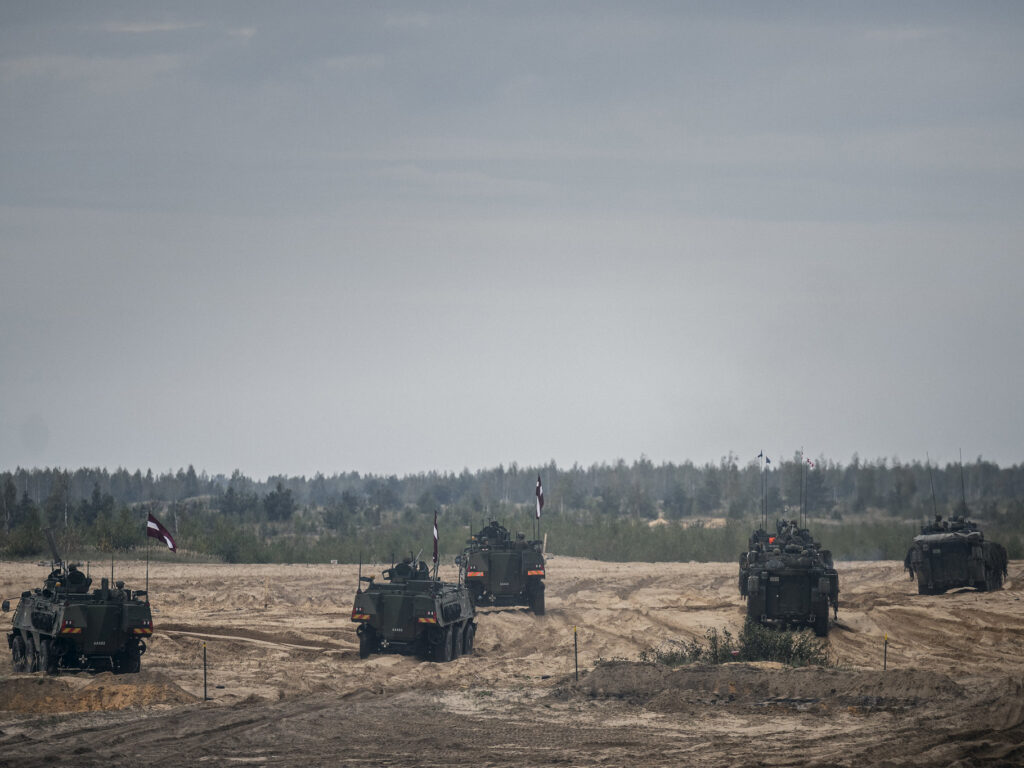
Advanced capabilities and increased manpower are only effective if they are maintained at a high state of readiness. This is achieved through a rigorous schedule of military exercises designed to test plans and ensure interoperability. The flagship event is the annual Comprehensive Defense Exercise “Namejs,” which tests the armed forces in joint operations at every level.
These exercises are crucial for more than just military units, serving as the primary mechanism for implementing the whole-of-society defense concept in practice. During Namejs, the NAF systematically drills its cooperation with the civilian sector. This includes collaborating with municipalities and state-owned companies to support military mobility and countermobility efforts, and working with private-sector entrepreneurs on resource mobilization. Similarly, through this whole-of-society approach, Latvia has demonstrated both ingenuity and cooperation. It is exemplified by efforts to formalize the roles of civilian groups in national defense, such as the involvement of hunters in the national defense system—a patriotic and armed segment of society that can be integrated with the National Guard and tasked with support assignments. As comprehensive defense evolves into a societal reality, it demonstrates credible national will, complicates adversary planning, and builds the societal backbone needed to withstand pressure and deter aggression, including hybrid attacks from Russia.
Civil resilience
Civil resilience in Latvia focuses on the comprehensive preparedness of its civilian structures and population, encompassing robust civil-defense planning across all government levels, from national ministries to local municipalities. This emphasis recognizes the critical role of municipalities in fostering a society-wide culture of preparedness and resilience.
Russia’s aggression against Ukraine beginning in 2014 and 2022 deeply reverberated across Latvian society, creating significant momentum for action. The latter created public demand that pushed local governments beyond mere declaratory contingency plans to proactively explain preparedness strategies to their constituents. Latvia has adopted the necessary legislative basis that mandates that Latvian municipalities ensure the continuity of essential services during crises or war, therefore actively participating in developing a society-wide culture of preparedness and resilience.
Pilskalns Exercises
This is primarily achieved through civil-defense plans, which are now mandatory for all municipalities. Developed in close cooperation with the National Armed Forces, these plans must be exercised at least annually. A prime example of this is the Pilskalns series of tactical exercises. While all municipalities are now mandated to develop such plans, some have been more proactive. For instance, Jelgava, Latvia’s fourth-largest city, established a municipal operation information center in 2011, preceding many other local governments. In peacetime, this center functions as a municipal hotline for damaged infrastructure, but in a crisis, it transforms into the municipal early warning system.
Another key aspect of civil resilience involves ensuring the continuity of essential services and protecting critical infrastructure. Latvia has strategically shifted its crisis-management thinking from solely focusing on infrastructure protection to prioritizing the uninterrupted delivery of essential services and functions. While this shift presents additional planning challenges, it stems from the understanding that critical infrastructure cannot operate in isolation from broader national defense factors; it is rendered ineffective without skilled personnel, operational processes, and supporting services vital for its functioning. Businesses are consequently required to develop robust continuity plans.
Latvian Mobile Telephone
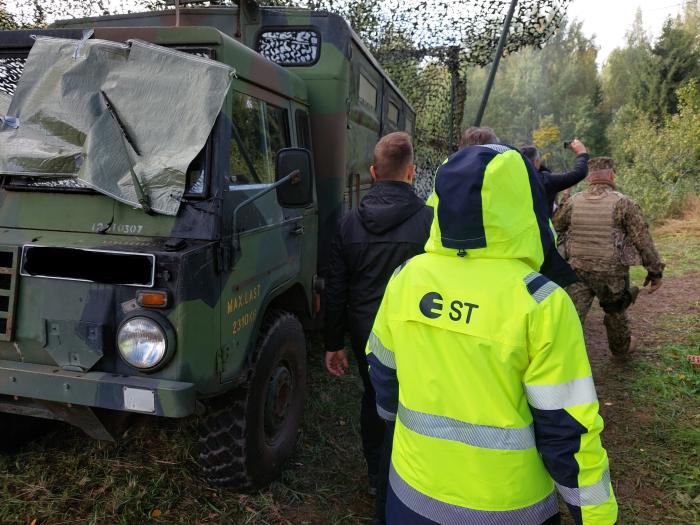
The Ministry of Defense (MoD) and the NAF retain a central role in comprehensive defense planning. This reflects both the fundamental need to integrate military and civilian planning factors closely within comprehensive defense systems and the traditionally high level of societal trust in the National Armed Forces. Consequently, even private industry’s preparedness plans are drafted in close cooperation with both the relevant sectoral ministry and the MoD. This collaborative approach ensures that the government is aware of civilian-sector resources, can provide expertise and experience, and can monitor how these plans integrate into the broader national resilience system and warfighting plans. Furthermore, industrial actors participate in joint exercises with their specific sectoral ministry and the MoD at least once every four years. An innovative development is the creation of specific National Guard units staffed by personnel from critical infrastructure entities, whose primary role is to defend critical infrastructure objects in case of military contingencies.
The ability to ensure the flow of money for goods and services constitutes another critical service. Societal upheavals, crises, and wars often disrupt peacetime payment systems, as demonstrated by Ukraine’s experience. To address this, the Bank of Latvia (which is analogous to the US Federal Reserve) is developing crisis payment solutions, both cash and noncash, for a society with a high adoption rate for noncash transactions. For example, the Bank of Latvia is collaborating with major commercial banks to develop approved offline solutions, ensuring individuals can use their bank cards for basic necessities even if bank communications are down. Similarly, during a crisis or war, banks are required to maintain a predefined network of ATMs, with at least one ATM per municipal center, and have developed a map of critical ATMs that would operate in case of crisis.
Latvia also has proactively sought to improve the integrity of its communications systems. This involves ensuring that critical data—including sensitive healthcare, defense, security, and economic data—remains within Latvian territory and that critical information technology systems continue to function without interruption even if the connection to the global internet is disrupted. To achieve this, the government now mandates that national and municipal institutions, companies, and owners/managers of critical IT infrastructure prioritize using a single national internet exchange point, GLV-IX, a statewide and state-operated local internet ecosystem, for their data flows if the outer perimeter of electronic communications is compromised.
Finally, Latvia has actively addressed two common challenges in building preparedness: improving the communication of preparedness requirements and funding resilience efforts. Many national governments struggle with effectively communicating military crisis and war preparedness expectations to municipalities and private industries. While both disseminating information and issuing legislation are important, these efforts must be augmented by activities that encourage thoughtful planning, accurate understanding of requirements, and knowledge development. Indeed, Latvian municipalities have sometimes voiced concerns about insufficient resources for civil preparedness, arguing it should be a national responsibility. Similarly, even large, well-funded hospitals struggle to meet the three-month supply requirement for medicine and supplies, while smaller hospitals lack adequate funding altogether.
Latvia has sought to address these questions through legislative changes, clarifying responsibilities and tasks, and mandating regular exercises. Over time, continuous cooperation and the mandatory requirement of yearly exercises are expected to foster a better understanding of the overall defense system, individual roles within it, and mutual expectations among all parties involved. Regular exercise schedules significantly benefit Latvia’s preparedness across sectors by stress testing developed plans, building knowledge, and informing participants about potential organizational challenges during a military crisis or war. For example, the yearly state-wide comprehensive defense exercises Namejs involve municipalities, allied forces, and local companies playing out different scenarios alongside the National Armed Forces. On a local level, Pilskalns exercises, in use since 2020, test municipalities’ planning and practical response capabilities under wartime scenarios, involving national and local institutions, the NAF, and local companies. These exercises are crucial for stress testing plans, identifying gaps, and building practical experience among all involved parties. Ultimately, however, private enterprises are expected to fund their own preparedness planning and implementation activities.
Societal resilience
Societal resilience in Latvia is built on the principle that national security is a shared responsibility that extends to every citizen, empowering individuals with the practical knowledge and tools needed to withstand a crisis. The government has fostered a “culture of readiness” through regular information campaigns and hands-on materials that include tips to spot false information.
The most visible example of this is Latvia’s “72-hour preparedness guide,” a practical tool aimed at bolstering individual and, by extension, societal resilience. This campaign advises citizens on how to be self-sufficient for the first seventy-two hours of a crisis, a critical period before state emergency services may be able to provide widespread assistance. The booklet provides practical guidance on reliable information sources, identifying and countering disinformation, essential supplies to stock like water and food, preparing an emergency kit, and developing a family crisis action plan. This proactive approach is rooted in both general emergency-management principles and Latvia’s specific geopolitical and historical context. It not only promotes self-sufficiency that reduces the immediate burden on state resources, but also empowers citizens with concrete actions they can take, which reduces feelings of helplessness and fosters a sense of control and readiness. Public preparedness campaigns like this booklet encourage citizens to volunteer and self-organize, which are foundational elements for any form of collective resistance. The State Fire and Rescue Service (VUGD) plays a vital role in this public preparedness effort by actively informing the population on safety measures. To significantly enhance these capabilities, Latvia fully implemented a national cell broadcast system in early 2025. This modern alert system allows the VUGD to instantly send critical warnings directly to all mobile phones within a specific geographic area during an emergency, functioning without requiring users to install an application. This technology provides an immediate and widespread communication layer, complementing existing tools like sirens and the “112 Latvija” mobile application, which is also promoted by the VUGD as a key resource for emergency information.
Youth Guard
This culture of readiness is reinforced through long-term educational investments designed to foster an informed, critical, and defense-aware society. The national defense education program in schools aims to instill patriotism, civic responsibility, and basic preparedness skills, fostering an understanding among young people of their role in national defense. Media literacy training is a central component, being built into both school curricula and community programs.
These practical and educational efforts are underpinned by a broader national defense strategy that formally acknowledges psychological defense and nonviolent civil resistance as crucial components of CND. A noteworthy aspect of Latvia’s posture is the formal integration of nonviolent civil
resistance, where the 2020 State Defense Concept explicitly includes “nonviolent civil resistance against occupation forces” as a component of the societal dimension of “total defense.” This signifies a preparedness to resist aggression through a wide spectrum of means, not limited to armed conflict. This is, in large part, a direct response to Russia’s information manipulation and its treatment of the information space as a critical front. Securing an open media space and bolstering psychological resilience against manipulation is now a paramount security goal, involving the cultivation of critical thinking skills to withstand attempts to sow discord.
To defend this front, Latvia employs a multilayered approach. The state has bolstered strategic communication resources, with a dedicated unit under the State Chancellery that coordinates messaging and works to disarm foreign malign information activities. Quality journalism is supported by funding and policy, and authorities have banned most of the Russian propaganda channels. In 2021, Latvia became the first Baltic state to prosecute individuals for willfully spreading dangerous falsehoods as per the criminal law, though there have been few convictions due to legal ambiguity in Article 231 around the definition of “fake news.” This state-led approach is complemented by a vibrant ecosystem of nongovernmental organizations, academics, and volunteers—such as the “Baltic elves”—who actively debunk falsehoods. Investigative journalists, fact-checkers, and initiatives like the Baltic Centre for Media Excellence also work to expose disinformation and promote high standards in journalism.
At the community level, these principles are put into practice through societal and municipality-led initiatives. Continuing work started in the previous year, the Riga municipality has organized a cycle of seven practical civil-defense seminars across various city neighborhoods. During the workshops, residents learn about specific risks in their area, such as nearby high-risk objects and evacuation routes, as identified by the Riga city municipality. They also receive practical training on how to: adapt a basement into a safe shelter; properly assemble a seventy-two-hour emergency bag; and build mental resilience with psychological self-help techniques.
To address the wider Russian threat to Western society, Latvia is sharing what it is learning with its allies and partners. It hosts NATO’s Strategic Communications Center of Excellence, and it works with allies and partners to combat malign influence. Examples of this kind of cooperation are IREX (International Research and Exchanges Board), which conducts media training in the Baltic area, and the Atlantic Council’s Digital Forensic Research Lab, which investigates disinformation and debunks narratives, educates media consumers, and has had staff based in Latvia since 2017.
Governmental resilience
Governmental resilience is the central pillar that ensures the state can continue to lead and function during a crisis, providing the necessary command, control, and coordination within the CND system. This is achieved through a robust legal framework, a clear institutional hierarchy, contingency and crisis-response planning, and a commitment to testing these plans through regular exercises to guarantee the continuity of government.
The crisis-management system of Latvia is multilayered. The State Civil Protection Plan clearly outlines the responsibilities and leading roles of all state institutions in case of state-level contingencies. The system is designed to be flexible; for example, the Ministry of Health has the leading role and responsibility for management of pandemics, as was the case with COVID-19, with all institutions (including the armed forces) supporting these efforts. Meanwhile, in the case of a military threat or war, civilian institutions have the role of supporting the armed forces and ensuring continuity of governance and essential services. At the practical level, the system envisions the establishment of the Civil Protection Operational Management Centre (abbreviated in Latvian as CAOVC), that is formed in case of state-level contingencies, including war. It would be led by the Ministry of the Interior and composed of delegated experts from across the government, tasking it with coordinating interinstitutional response, compiling a comprehensive situational picture, and providing support to the NAF.
This role is to be complemented by municipal-level responsibility through the establishment of municipal civil-protection commissions that are obliged to plan and execute response activities on a regional level, as well as coordinate with state-level efforts.
The “Kristaps” series involves the Cabinet of Ministers in simulating strategic decision-making, as well as NATO Crisis Management Exercises (CMX), while the operational comprehensive defense exercise Namejs includes tests of civil-military cooperation, the practical implementation of civil defense plans, and the coordination functions of the planned CAOVC.
Latvia’s current push to improve its crisis-management system and governmental resilience is a direct response to lessons learned from a series of major crises. The COVID-19 pandemic served as a stark, real-world test of cross-sectoral crisis management, exposing significant shortcomings in interministerial coordination, public communication, and the ability to manage state material reserves effectively. The 2021 hybrid attack and instrumentalization of migration organized by Belarus on the EU’s eastern border tested the state’s ability to coordinate a response between interior, defense, and foreign policy bodies under “gray zone” threat conditions that are, as another Atlantic Council report put it, diffuse and hard to attribute. Most significantly, Russia’s full-scale invasion of Ukraine since 2022 has provided an invaluable, albeit grim, case study in the requirements of modern national defense. It underscored the absolute necessity of a resilient government able to overcome the massive scale of civil-defense challenges and pervasive hybrid threats. These events collectively created a clear need for reevaluation and reform of the crisis-management system in Latvia, highlighting systemic challenges in achieving effective horizontal coordination across ministries.
To resolve these issues, Latvia is establishing a new centralized National Crisis Management Center (CMC). The concept for the CMC, approved by the government in early 2025, represents the keystone of the nation’s reformed resilience architecture. Its creation is a direct answer to the lessons learned from past crises, designed to provide the professional, permanent, and agile coordination that was previously lacking. Operating under the direct authority of the prime minister, the CMC is designed to provide a single, empowered hub for analysis, planning, and, crucially, to improve coordination in crisis management between key state institutions, especially in complex threat scenarios, and provide support to decision-makers and political leadership.
The core functions of the CMC will include: continuous monitoring of the situation and information gathering; identifying potential risks and threats; conducting analysis of information and data to assess these risks and threats; strategic planning and coordination of operational planning; coordinating the planning, logistics, and recovery of state-level civilian crisis-management resources, including state material reserves; and coordinating crisis-communication efforts. Meanwhile, in the specific context of a military crisis, the CMC will be responsible for coordinating the civilian sector’s response and ensuring seamless cooperation with the military sector.
In essence, this new structure, continuously validated through planning and exercises, aims to ensure the leadership and effective whole-of-government coordination deemed essential for navigating these complex security challenges.
Challenges and future imperatives for resilience
Latvia has been systematically working to integrate all societal elements into its national defense posture, particularly since 2014. This ongoing effort, while showing significant progress, presents a range of challenges and necessitates clear future developments to ensure sustained and enhanced security in a complex geopolitical landscape.
Latvia’s commendable strides in building a comprehensive national resilience model are met with several persistent and evolving challenges; therefore, for the continued evolution and strengthening of Latvian resilience it is crucial to address them in a timely manner:
- Building and maintaining robust military defense capabilities. Maintaining momentum in military modernization programs and ensuring the capacity to sustain combat operations beyond an initial phase are crucial for credible deterrence and defense. This includes addressing the timeline for military buildup in relation to potential Russian force reconstitution. While Latvia’s defense spending is projected to reach 3.45 percent of GDP in 2025, with ambitions for 5 percent by 2026, efficient allocation across diverse needs—from military modernization to civil protection and societal programs—remains a complex undertaking. This financial strain also impacts critical infrastructure operators and municipalities tasked with new preparedness responsibilities. Therefore, continued investment in critical military capabilities, including air defense, coastal defense systems (like Naval Strike Missile systems), and long-range precision fires (HIMARS) should be pursued.
- Expanding the National Armed Forces. Planned expansions of the NAF and the full implementation of the State Defense Service face manpower constraints, requiring substantial investment in training infrastructure, qualified instructors, and innovative recruitment policies. The current reserve system also requires significant overhaul. Latvia should continue the expansion of the NAF, overhaul the reserve system to effectively integrate SDS graduates, and implement both dedicated reservist training and early military education. Ensuring adequate infrastructure, qualified instructors, and innovative policies for recruitment and training is crucial.
- Developing targeted strategies for critical areas. The development of industry-specific expertise for business and service continuity, particularly for critical infrastructure, can be a bottleneck. Cultivation of a deeper culture of shared responsibility with the private sector through targeted incentives, joint training programs, and secure information-sharing platforms should be continued. Additionally, mechanisms for improving intermunicipal coordination and resource sharing can alleviate the burden or strain associated with this issue. Latvia should also move beyond awareness campaigns to foster active participation, skill building, and a sense of ownership among the citizenry. Relatively low levels of public trust in certain state institutions can potentially hinder the full engagement of society in defense and resilience efforts. Actively integrating civilian agencies, businesses, and citizens into national resilience and defense planning through practical taskings and drills could help resolve this challenge. A primary challenge is also extending the intensity of preparedness from military threat scenarios to encompass nonmilitary crises across all civilian institutions. Intermunicipal coordination, particularly in resource sharing, needs strengthening. Consistent funding for new municipal responsibilities in civil defense is also a point of discussion, which the municipalities have on previous occasions cited as one of the reasons for their inability to build up civil defense capacities.
- Interagency coordination and centralized leadership. Ensuring seamless collaboration and clear, consistent communication of preparedness requirements across all sectors and among numerous actors remains a continuous task. Latvia faces persistent interagency coordination complexities. While the spirit of comprehensive national defense promotes collaboration, the practicalities of aligning different ministries, agencies, and even different levels of government can be challenging. Each entity has its own priorities, budgets, and institutional cultures. The MoD, while a key actor, cannot guarantee or ensure the engagement and resource commitments of other ministries. Effective comprehensive national defense requires a process led by a centralized authority with the power to direct and synchronize efforts across government—ideally the prime minister’s office or a dedicated high-level body. This is especially true for distributing tasks effectively among ministries and bodies of equivalent hierarchical power. Therefore, the establishment of the new Crisis Management Center is a promising development that could further leadership in the implementation of comprehensive national defense and serve as a central actor for confronting crisis situations. However, its mandate, authority, and resourcing will be critical. It must be empowered to not just coordinate but also to direct and enforce; it also must avoid becoming yet another silo and instead act as a true hub for national crisis response and comprehensive national defense implementation. The assurance that the CMC is rapidly and effectively staffed, resourced, and empowered to coordinate across all government levels, municipalities, and the private sector is paramount. The CMC should also be tasked with leading institutionalized, regular, complex cross-sectoral crisis-management exercises. Engaging all nongovernmental organizations and local media more consistently in preparedness exercises and overcoming local political inertia are both ongoing efforts. Effective Comprehensive National Defense coordination across ministries, especially in horizontal tasking, presents difficulties.
- Countering evolving threats in the information landscape. Democratic countries like Latvia must counter influence within political, ethical, moral, and legal constraints, while adversaries often operate without such limits, giving them an advantage in proactive narrative projection. Latvia must continuously adapt its resilience strategies to counter new and evolving hybrid threats, sophisticated disinformation techniques, and novel cyberattack methods. Sustaining and enhancing programs to equip the population to withstand long-term information influence operations and maintain morale during crises is crucial. Further exploration and integration of nonviolent resistance concepts into national defense training and public guidance could promote the adaptability of resilience in this area. Latvia’s main approach to countering malign activities in the information space has been blocking narratives rather than proactively projecting its own strategic messages. A shift in policy is also needed from primarily blocking disinformation to more proactive narrative projection by developing and disseminating national strategic narratives that reinforce democratic values and societal cohesion. Expanding media literacy and critical thinking education is still an option; so, too, is allocating more support to independent and local media. Collaboration with allies on resilience benchmarking particularly for critical services, countering hybrid threats, and protecting critical infrastructure could bring about collective benefits in resilience building.
- Reviewing the conceptual framework of national defense. Latvia has made impressive progress in defining and implementing the CND concept. However, we believe that the evolution of its conceptual framework must continue to better adhere to the complexities of real-life challenges and diverse crisis situations. As time passes, a review of the initially laid out core principles is needed. A primary concern is preventing comprehensive national defense from becoming a catch-all concept. While its all-encompassing nature is a strength there is risk that its boundaries are too wide and therefore its core purpose can become diluted, leading to a diffusion of effort and resources. For instance, if every societal issue is framed as a comprehensive national defense matter, prioritization becomes difficult and the focus on core security and defense preparedness could be lost. Future work should aim to refine the operational scope of the comprehensive national defense, ensuring it remains a focused and effective framework while clearly delineating its relationship with broader societal well-being initiatives. We need to clearly define what falls within comprehensive national defense and what is supportive but distinct to maintain its strategic integrity.
- Deepening societal engagement and cohesion. Latvia should continue its efforts to make its comprehensive defense concept a nationwide reality not just a government policy on paper. As comprehensive defense evolves into a social reality, it demonstrates credible national will, complicates adversary planning, and builds the societal backbone needed to withstand pressure and deter aggression, including hybrid attacks from Russia. Although we have seen great examples of civil engagement from businesses in actively pursuing their role in the defense system, challenges remain with broad-based individual and community-level engagement. Latvia, for various historical and societal reasons, doesn’t always exhibit the strong deeply embedded community culture seen in some other nations. This can make reaching individuals and fostering grassroots resilience initiatives more challenging. Simply put, many individuals may not yet fully internalize their role or feel connected to a local preparedness network. Achieving genuine societal cohesion and developing the resilience of individuals within their respective communities must become a more pronounced strategic goal. This requires more than just information campaigns. It means investing in local leadership development, supporting community-based organizations, designing exercises that actively involve ordinary citizens in practical ways, and perhaps leveraging existing structures like schools, cultural centers, or even hobby groups to build networks of mutual support and preparedness. The aim should be to empower individuals and communities to self-mobilize for constructive action in crisis rather than relying solely on top-down directives.
- Continued advocacy for enhanced support from NATO, the EU, the United States, and regional allies for Latvia’s capability development, military modernization, joint exercises, and resilience projects is crucial, as is maximizing the prepositioning of allied military equipment and stocks. The current strategic window, while Russian forces are degraded by the war in Ukraine, should be used to rapidly build up defense capacity and societal resilience, secure continued US commitment, generate a greater NATO forward presence, deepen regional integration, and refine reinforcement mechanisms. Other regional resilience priorities include transitioning the Baltic defense line from a concept to a concrete reality with fortified positions, leveraging natural terrain, and ensuring forces train to fight effectively from these prepared positions.
Editors: Armands Astukevičs, Elīna Vrobļevska.
Contributors: Mārcis Balodis, Hans Binnendijk, Marta Kepe, Beniamino Irdi.
Annex 1: Management structure
A. Strategy and policy level
President of Latvia and National Security Council (NSC): The president, as NAF supreme commander, chairs the NSC. The NSC, comprising top state officials and security heads, advises and coordinates on national security and defense, and offers recommendations to the Saeima (see below) and Cabinet.
Saeima (Parliament): Enacts national security, defense, and civil-protection laws; approves key strategic concepts (National Security Concept, State Defense Concept); and provides parliamentary oversight.
Key committees:
- National Security Committee: Prepares national security policy documents for Saeima approval.
- Defense, Internal Affairs and Corruption Prevention Committee: Oversees relevant ministries, legislation, and budgets.
- Comprehensive National Defense Subcommittee: Monitors government implementation of Comprehensive National Defense (CND) elements within the National Security and State Defense Concepts.
- Other committees: May address specific CND implementation aspects as needed.
Cabinet of Ministers (CoM): The highest executive body, implementing national CND policy, approving strategic plans and regulations, allocating resources, and directing ministries.
Key bodies:
- Crisis Management Centre (CMC): Concept approval in early 2025; planned to be fully operational when legislation has been passed. Envisioned as the central, national crisis-management coordinator (monitoring, analysis, strategic planning. Its potential role in leading overall CND coordination is under active discussion.
- Ministerial-Level Working Group for CND: Chaired by prime minister or lead minister. Ensures political alignment and high-level interministerial CND strategy coordination.
B. Planning and coordination level
State Secretary-Level Working Group for Comprehensive Defense (CND): Chaired by MoD state secretary. Coordinates CND plan development, harmonization, and monitoring across ministries at the senior-civil-servant level, translating Cabinet decisions into actionable plans.
Ministry of Defense (MoD): Lead institution for the State Defense Concept/Plan and CND concept development; responsible for military defense, NAF development, and civil-military cooperation planning.
Ministry of Interior (MoI): Lead institution for public order, internal security, and the State Civil Protection Plan; oversees the State Fire and Rescue Service (VUGD), State Police, and Border Guard; coordinates the Civil Defense Operational Management Centre.
Line ministries (e.g., health, transport, economy): Develop and implement sector-specific resilience plans and CND measures, ensuring continuity of essential services and participating in relevant working groups and exercises.
Bank of Latvia: Ensures financial-sector resilience, including payment systems and cash circulation, in cooperation with commercial banks.
C. Implementation and operations (state level):
National Armed Forces Headquarters (NAF HQ): The NAF’s highest military headquarters and main operational command and control entity under the chief of defense; manages NAF operations, plans/executes joint operations (peacetime, crisis, war), and coordinates with civil authorities such as the Operational Control Centre of Civil Protection.
Operational Control Centre of Civil Protection: A state-level coordination body for major crises or military threats; integrates multiagency expert groups and works closely with NAF HQ to coordinate civil-military efforts.
State Fire and Rescue Service (VUGD): Primary state agency for firefighting, rescue operations, and practical civil-protection measures; implements elements of the State Civil Protection Plan.
Other key state agencies and services (e.g., Emergency Medical Service, State Police, Border Guard): Implement crisis response and resilience measures according to their mandates and plans, participating in exercises and interagency coordination.
Municipal and private-sector actors:
Civil Defense Commissions (thirty-seven at municipal level): Develop and implement local civil defense plans; coordinate local resources and crisis response (including public notification, evacuation, basic services, shelters); cooperate with regional NAF units and state services.
Private sector/critical infrastructure operators: Develop and implement business continuity plans for essential service resilience; cooperate with state and municipal authorities; may be involved in resource mobilization.
Annex 2: Framework of concepts, plans, laws, and regulations
Project editors
Armands Astukevičs is a researcher at the Center for East European Policy Studies in Riga, Latvia. Currently, he is working on his doctoral dissertation on authoritarian regime resilience. He has a master’s degree in political science from University of Latvia. Astukevičs’ previous work experience includes policy analysis and planning in the Latvian Ministry of Defense, where he focused on crisis management and comprehensive national defense issues. His current research interests relate to topics on the defense and security policy of the Baltic states, national resilience and resistance to hybrid threats, and analysis of Russia’s foreign policy processes.
Elīna Vrobļevska is a researcher and deputy director at the Center for East European Policy Studies in Riga, Latvia. She has a doctoral degree in international relations from Rīga Stradiņš University, with her thesis on “Russia’s foreign policy identity ideas and their manifestation in foreign policy (2012–2022).” Vroblevska serves as a lecturer and researcher at the Faculty of Social Sciences, Rīga Stradiņš University. Her research interests include the analysis of Russia’s foreign policy narratives and their impact on political processes, the study of Russia’s foreign policy and the security challenges it poses, as well as the examination of Russia’s activities in the information space.
Contributing authors
Mārcis Balodis is a researcher and a member of the board of the Center for East European Policy Studies. His primary research focuses on Russia’s foreing and security policy as well as Russia’s use of hybrid warfare.
Hans Binnendijk is a distinguished fellow with the Atlantic Council’s Transatlantic Security Initiative, part of the Scowcroft Center for Strategy and Security.
Marta Kepe is a nonresident senior fellow with the Atlantic Council’s Transatlantic Security Initiative within the Scowcroft Center for Strategy and Security. She is also a senior defense analyst at RAND, a nonprofit, nonpartisan research organization.
Beniamino Irdi is a nonresident senior fellow with the Atlantic Council’s Transatlantic Security Initiative within the Scowcroft Center for Strategy and Security. He is also the head of strategic and international affairs at Deloitte Legal Italy and founder and CEO of HighGround, a political risk consulting firm.
Related content
Explore the program
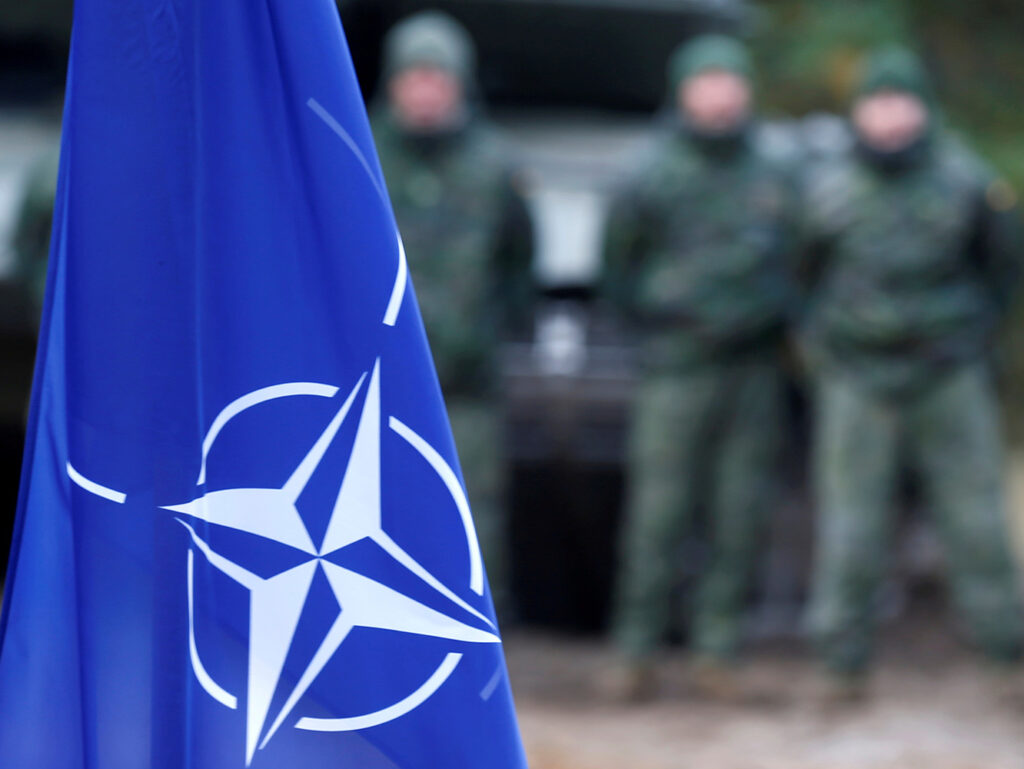
The Transatlantic Security Initiative aims to reinforce the strong and resilient transatlantic relationship that is prepared to deter and defend, succeed in strategic competition, and harness emerging capabilities to address future threats and opportunities.
Image: Nato Secretary General Mark Rutte (3rd from right) talks to Latvian President Edgars Rinkevics (M) and Latvian Defense Minister Andris Spruds (4th from right) with soldiers and looks at their military equipment. They visited a maneuver of the multinational NATO brigade stationed in Latvia, which is currently being formed and trained together at full strength for the first time. Reuters