About the project

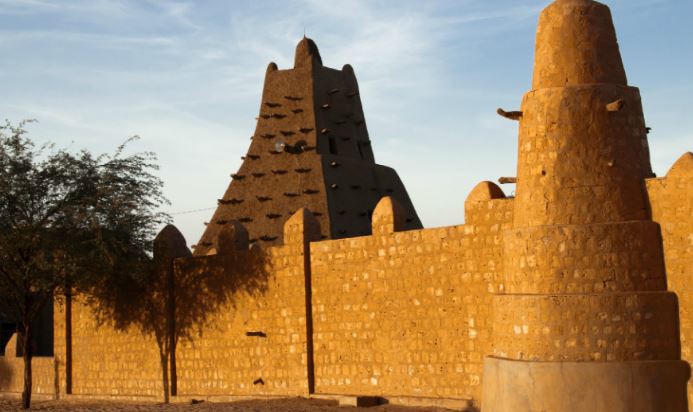
From Mauritania on the Atlantic Ocean to Sudan on the Red Sea, the countries of the Sahel face the challenge of maintaining and deepening democratic governance in the context of a deteriorating security environment. As the incidence of violence, including terrorist attacks, has risen, the region has become increasingly on the global agenda, with vital engagements underway to develop security partnerships, curtail trafficking and smuggling, manage humanitarian responses, and confront the vulnerabilities of climate change. Through reporting and analysis, the Africa Center’s Sahel Watch focuses renewed attention on this dynamic and strategic region.

Photos

Experts

All content

In the News

Jan 12, 2020

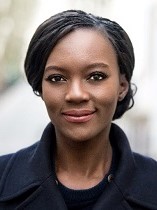
Yade joins Jury du Dimanche to discuss politics in France, Senegal, and the Sahel

By Atlantic Council

Africa
Elections

In the News

Dec 30, 2019

McFate quoted in the New York Times on plans to cut back US intelligence efforts in Africa

By Atlantic Council

Africa
Defense Policy

AfricaSource

Dec 9, 2019

N’oublions pas le pastoralisme dans l’agenda climatique

By Abdoul Salam Bello and Rama Yade

Les activités commerciales liées au pastoralisme en Afrique représentent environ un volume de l’ordre du milliard de dollars par an et entre 10 et 44% du produit intérieur brut (PIB) des pays africains. Au total, près d’ 1,3 milliard de personnes bénéficient de la chaîne de valeur du bétail.

Africa
Climate Change & Climate Action

Event Recap

Sep 20, 2019

Senegal’s economy minister outlines strategy for private sector-led growth

By Africa Center

On Friday, September 20, the Atlantic Council’s Africa Center hosted H.E. Amadou Hott, minister of economy, planning, and cooperation of the Republic of Senegal.

Africa
Economy & Business

AfricaSource

Jul 22, 2019

Reviewing Mauritania’s historic election

By Luke Tyburski

Mauritania’s June 22 presidential election marked the country’s first democratic transfer of power since independence. The ruling party’s Mohamed Ould Ghazouani won with 52 percent of the vote, and his closest challenger, Biram Dah Abeid, received 18 percent. But the election was less of a landslide than the vote totals imply.

Africa
Elections