
Recent analysis

Programs

The Global Energy Center develops and promotes pragmatic and nonpartisan policy solutions designed to advance global energy security, enhance economic opportunity, and accelerate pathways to net-zero emissions.

Events

Issue Brief

Jan 9, 2020

Election 2020: What’s at stake for energy policy?

By David L. Goldwyn, Andrea Clabough

As the US presidential election in November 2020 draws nearer, the energy policy platforms—including domestic energy, climate change, foreign, and trade policies—from the Democratic candidates, as well as the energy policies of a potential second Trump Administration, have become increasingly clear.

Energy Markets & Governance
Energy Transitions

Global Energy Forum

Jan 9, 2020

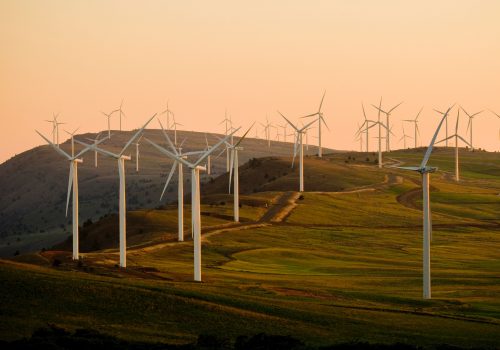
European energy diversification: How alternative sources, routes, and clean technologies can bolster energy security and decarbonization

By Richard L. Morningstar, András Simonyi, Olga Khakova, Irina Markina

The European Union’s efforts to achieve a carbon-neutral economy present a unique and timely opportunity to strengthen European energy security. What is the EU currently doing to meet its decarbonization goals, address the role of natural gas in Europe’s low-carbon future, and explain the potential for new gas sources, alternative gas routes, and clean energy technologies to reduce carbon emissions? And how can this be done while simultaneously increasing European energy security and opportunities for transatlantic cooperation?

Energy Markets & Governance
Energy Transitions
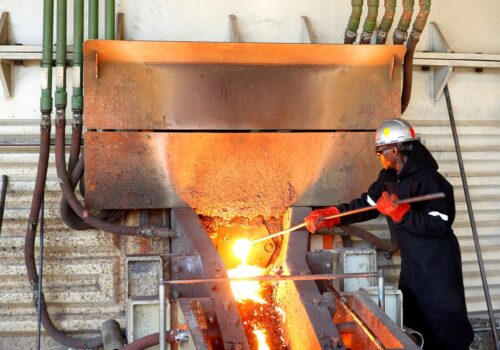
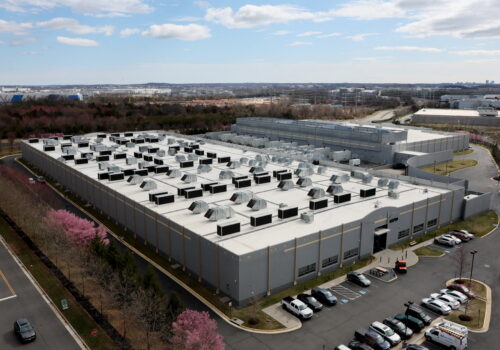
Manufacturing facility

Global Energy Forum

Jan 9, 2020

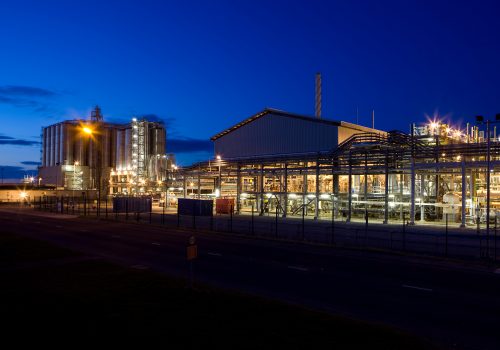
The Saudi Aramco-SABIC merger: How acquiring SABIC fits into Aramco’s long-term diversification strategy

By Private: Jean-François Seznec

Throughout 2019, financial markets have watched the planned Saudi Aramco initial public offering (IPO), which was finally launched in December. A quieter, but no less significant, story was the Saudi oil company’s acquisition of SABIC. Saudi Aramco strove to have a successful IPO, especially through increased transparency and diversification, and the SABIC acquisition was a key element of Saudi oil company’s diversification strategy. Going forward, what does the merger mean for both companies, what is the new relationship between Saudi Aramco and SABIC, and what are the merger’s implications for the intricate relationship between the various bureaucracies and leadership in Saudi Arabia?

Energy Markets & Governance
Energy Transitions

Content

New Atlanticist

Jul 30, 2024

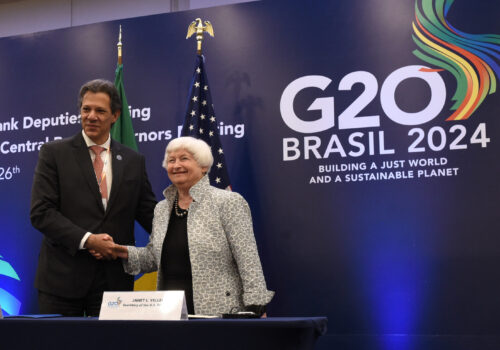
Dispatch from Rio: Can Brazil set up the G20 leaders’ summit for success?

By Ananya Kumar, Mrugank Bhusari

Brasília has sought to acknowledge fundamental disagreements on geopolitics between some members, and then to sidestep them entirely at the ministerial level. How long can this approach last?

Brazil
Economy & Business

In the News

Jul 26, 2024

Shaffer in Foreign Policy: Militaries Can’t Transition to Renewable Energy

Defense Industry
Energy Transitions

EnergySource

Jul 24, 2024

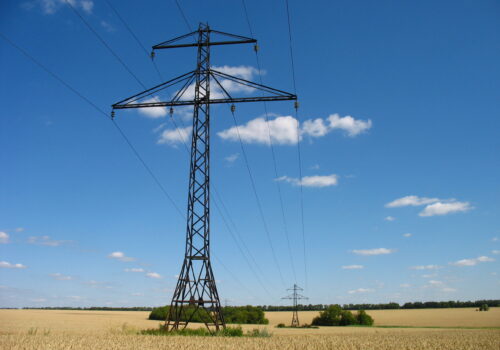
European energy security requires stronger power grids

By Andrei Covatariu

Russia's invasion of Ukraine has highlighted the urgency of strengthening Europe's power grid to meet the interrelated demands of energy security and decarbonization. Europe can build a resilient energy future by improving regional connectivity, increasing digitalization, investing in grid infrastructure, and reforming unwieldy regulations.

Energy & Environment
Energy Transitions

In the News

Jul 19, 2024

Webster quoted in Recharge on significance of Vineyard blade failure

Energy Transitions
Renewables & Advanced Energy

New Atlanticist

Jul 18, 2024

What to expect from Ursula von der Leyen’s second term

By James Batchik

The European Parliament has given European Commission President Ursula von der Leyen a second term, but it will be different from her first in several important ways.

Economy & Business
Elections

AfricaSource

Jul 12, 2024

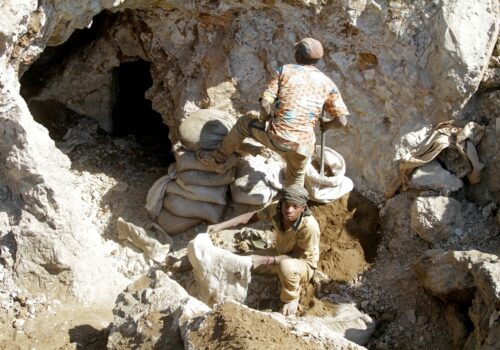
Integrating artisanal mining into the formal economy would benefit African miners and economies alike

By Sarah Way

Many artisanal and small-scale miners work informally and face harsh conditions. Here's how the international community can help.

Africa
Critical Minerals

EnergySource

Jul 11, 2024

Chevron deference is dead—and US climate action hangs in the balance

By David L. Goldwyn, Andrea Clabough

The US Supreme Court's seismic decision to overturn Chevron deference ends decades of federal agencies’ regulatory authority to interpret laws’ where there is ambiguity. While not specifically about climate or energy, the change is deeply consequential for the current—and next—administration’s ability to act on these issues according to its agenda.

Energy & Environment
Energy Markets & Governance

Issue Brief

Jul 2, 2024

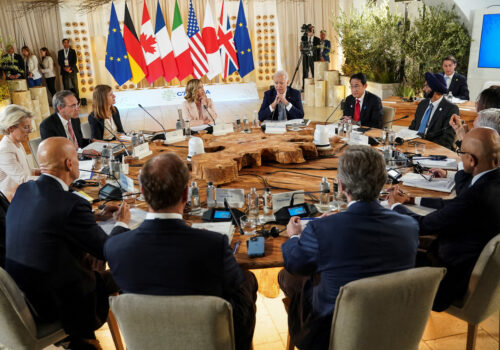
Doing as the Romans do: Recommendations for the infrastructure development agenda for Italy’s G7 presidency

By James Batchik, Rachel Rizzo, Nicholas O’Connell

The West's plans for infrastructure development, if done effectively, could be a strategic, economic, and geopolitical feat. The G7 now must take forward meaningful action to increase coordination and cooperation to turn this ambition into reality.

Africa
Economy & Business

Report

Jul 1, 2024

From greenfield projects to green supply chains: Critical minerals in Africa as an investment challenge

By Aubrey Hruby

This report provides a snapshot of Africa’s mineral wealth and mining industries, draws out the similarities between the mining and infrastructure investment attraction challenges, describes the competitive landscape African nations find themselves in, and makes innovative recommendations—namely to the US government—to rapidly accelerate investment in sustainable mining industries in African markets.

Africa
Critical Minerals
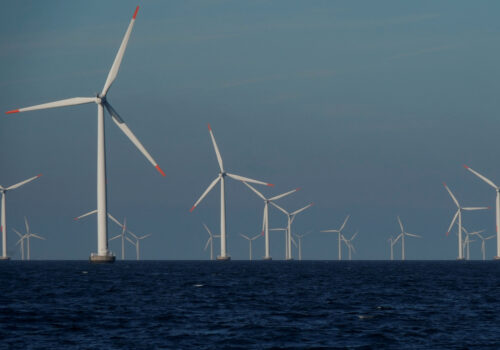
Turbines at an offshore wind farm near Nysted, Denmark.

Issue Brief

Jun 28, 2024

Accelerating the energy transition in the Eastern Caribbean

By Wazim Mowla

Countries in the Eastern Caribbean are among the world’s most energy insecure nations. These countries grapple with high electricity costs that undercut economic competitiveness and growth, are heavily dependent on petroleum products, and are uniquely vulnerable to the effects of climate change.

Americas
Caribbean

Experts