

KYIV—Since February 2022, Russia has recruited more than 45,000 foreign nationals from 151 countries into its armed forces fighting in Ukraine, according to Ukrainian authorities. But the legal status of those recruits is far less straightforward than public information might suggest. Although media reports frequently describe these recruits as “mercenaries,” a significant share appear to have been coerced or deceived into joining. This raises a different question: should they be treated as combatants, mercenaries, or victims of human trafficking?
In April 2026, Truth Hounds, where I serve as legal counsel, and the International Federation for Human Rights published a report based on interviews with foreign prisoners of war held in Ukrainian camps, alongside open-source investigations. The report shows a recruitment system that uses social media advertisements, promises of civilian work in Russia, local brokers, debt, and contracts that recruits do not fully understand. In other cases, advertisements offer non-combat roles, and candidates may believe they are joining the army without the risk of being deployed to the frontline. Nevertheless, almost all foreign recruits end up on the front lines, where the death toll is high.
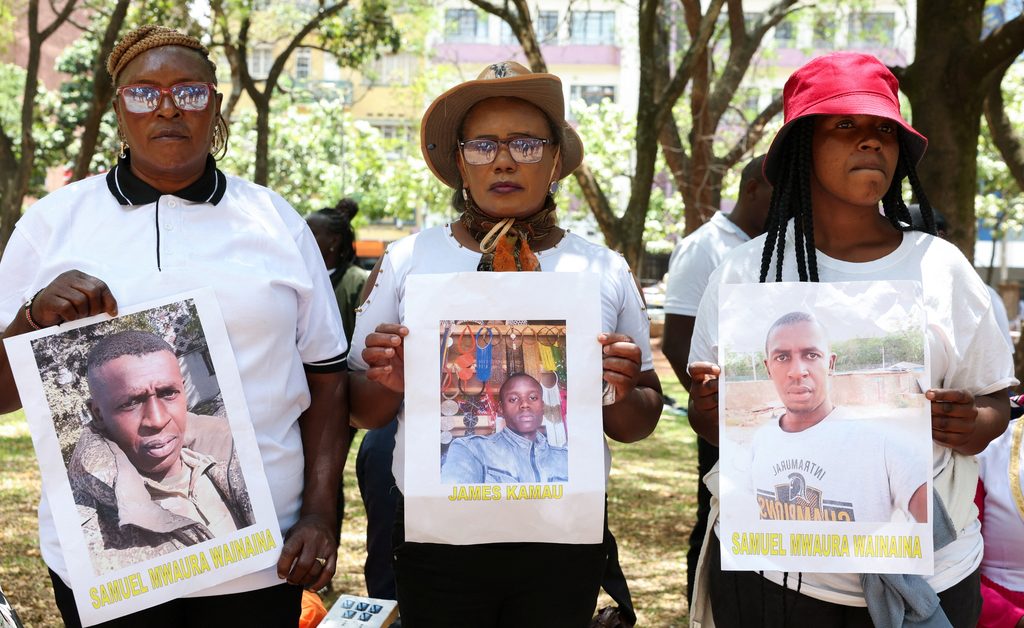
The issue has only grown more pressing since then, as some of the countries from which recruitment takes place have begun publicly demanding that Russia stop recruiting their citizens, including Kenya, Ghana, and Jordan, among others. Although Russia has reportedly drawn up a “blacklist” of “friendly” countries whose citizens recruiters are instructed not to enlist, the recruitment drive itself continues unabated. It continues expanding in new waves, notably into Peru, Indonesia, the Philippines, and other Southeast Asian countries.
The anatomy of Russian foreign recruitment
Russian recruitment, as we see it today, took shape with the full-scale invasion of Ukraine. It intensified following significant Russian losses on the battlefield resulting from the use of highly lethal combat tactics and the launch of the so-called “partial mobilization,” which led to Russian citizens fleeing abroad en masse.
Russia’s legal system is designed to encourage foreigners to join its military in exchange for easier access to citizenship and significant monetary compensation. Since 2022, the Kremlin has repeatedly relaxed citizenship requirements for foreign military recruits, including the removal of language knowledge, residency, combat service, and other eligibility requirements while shortening application processing times. In November 2025, Russia added a “stick” to the “carrot”: Decree No. 821 made the most common routes to permanent residence and citizenship for certain foreign men conditional on a military or emergency-service contract, a discharge record, or a certificate of unfitness, while keeping the fast track for those who sign up. In 2026, legislation also expanded protections against extradition for current and former foreign military personnel.
Foreign recruitment typically takes place through social media platforms such as Facebook, WhatsApp, TikTok, and even in-game chat rooms. Ukrainian intelligence has launched a website that identifies potential recruiters, who include both Russians and locals in the countries where recruitment takes place. Often, such advertisements offer civilian jobs with high salaries, and candidates may have no idea that they are joining the Russian Armed Forces.
The methods used to transport and process people vary by region: in Cuba, recruiters immediately buy plane tickets to Russia for recruits, as citizens do not need a Russian visa; in Nepal, candidates must pay for their own flights, borrowing money from their families or even private lenders and falling into debt bondage before reaching Russia.
According to a Journalists for Justice report, in African countries such as Kenya, Ghana, and Nigeria, the process operates through networks of private brokers and various employment agencies, which have turned recruitment into a highly profitable business. These financial intermediaries not only demand advance fees for visas and tickets ranging from $1,500 to $7,000, plunging people into debt even before departure, but they also siphon off millions in profits once in Russia, automatically deducting up to 58–66 percent of the one-time signing bonuses from the Russian Ministry of Defense via power of attorney.
Internal recruitment, too, can be predatory. It targets populations who are typically in socioeconomically vulnerable situations, often due to a lack of funds to travel home, problems with documents, or insecure legal status. Migrant workers, students, and prisoners often end up in the military under pressure from law enforcement. Alongside already existing structural discrimination, which has only intensified since 2022, migrant workers in Russia (especially those of Central Asian origin) are actively encouraged or coerced into joining the army.
This pressure can take the form of threats of imprisonment or deportation; in some places, a contract with the Russian Armed Forces is slipped in among other documents that migrants sign without realizing what they are agreeing to. For instance, Truth Hounds interviewed a medical student from Morocco who was detained by Russian police during a routine document check in Ryazan. His documents were otherwise in order, but his registered address did not match where he was living. He spent forty-eight hours in detention without food or water and was beaten. He was offered the choice of signing a contract with the Russian Ministry of Defense or facing a prison sentence. He eventually signed and was sent to the front line, where he was later captured by Ukrainian forces and sent to a prisoner-of-war camp.
Other recruits knowingly join the Russian armed forces for financial gain or to obtain citizenship, and determining whether a person was aware of the duties they were expected to perform is a methodologically complex task. Reporters and researchers usually only have access to the person’s own testimony or, at best, the testimony of their relatives. There are situations where an individual claims to have been unaware of the nature of their military service, while their family may assert the opposite. All of this complicates the fact-finding process and legal assessment.