Event Recap
On Thursday, May 28, the Atlantic Council’s Africa Center, in partnership with the Policy Center for the New South, held a conversation on water security and sustainable development in Africa.
Rama Yade, senior director of the Africa Center, set the stage for the event, saying that “Water is central to Africa’s future” because “it underpins key sectors including agriculture, manufacturing, trade, mining, tourism, transportation, and infrastructure development.” Yet, across Sub-Saharan Africa “an estimated 845 million people lack safely managed drinking water.”
Yet, as she explained, “the African Union has elevated water security and sanitation as continental political priorities this year,” having declared these issues as its 2026 theme of the year.
Henk Ovink, executive director and founding commissioner of the Global Commission on the Economics of Water, emphasized that “there is a value in investing in water. It makes your economies more secure, helps create jobs, and opens real opportunities.”
Yet, water projects are underfunded, said Ovink. This gap stems from a limited understanding of the true value of water, as well as the absence of an “enabling environment” where plans, programs and projects consistently translate into measurable medium- and long-term impacts.
Fadji Maina, research scientist in the Hydrological Sciences Lab at the NASA Goddard Space Flight Center, explained some of the most critical data gaps that African governments face when trying to predict water scarcity. Africa’s ground observation data, she said, is eight times smaller than the average. She explained that “we need to see data of all the components of the hydrological cycle: rainfall, soil moisture, ground water, and rivers, and those are not data that we currently have in Africa.”
“Water is not just about providing populations with drinking water,” Maina emphasized. “It touches military operations, banking systems, finance,” and many other sectors.
David Michel, senior associate of the Global Food and Water Security Program at the Center for Strategic and International Studies, noted that water has become “a potential conflict flashpoint around the world,” and violence centered around water issues has been “on the rise over the past couple decades.” Since the start of the twenty-first century, he explained, recorded water-related conflicts have “almost quadrupled.”
Michel also highlighted the Senegal River Basin Organization as an example of a successful institution managing water resources, pointing its “open and transparent collective planning,” its unique system of joint water infrastructure ownership, and its shared cost-benefit mechanisms for allocating both investment costs and resulting gains.
Jude Mutah, director of member relations at the Corporate Council on Africa, explained that “private investors are cautious” about water projects because they “are not yet structured in a way that the risks are clear and manageable.” He said that while water is in strong demand, that does not automatically translate into bankable projects.
Mutah emphasized the importance of credibility, transparency, and community trust in water projects. “It is important to make the procurement processes clear, open, and credible,” he said, stressing that “water infrastructure would only effectively work when people believe the system is fair, reliable, built for them, and would benefit them.”
John Sauer, director of water, sanitation, and hygiene at Population Services International, emphasized the need for a sharper focus on job creation. “What we really need to focus on is serious businesses at the last mile: two to three small businesses in every village, selling and installing products and services, professionally providing after-sales services and maintenance.”
Sauer noted that these businesses would not only expand access to sanitation and stimulate local economic growth, “but they’ll also help solve other health issues like malaria, energy [access] and clean cooking, [and] clean flooring, also a big disease vector.”
Event Text
On Thursday, May 28 at 9:30 a.m. ET, the Atlantic Council’s Africa Center, in partnership with Policy Center for the New South (PCNS), is convening a discussion on water security and sustainable development in Africa.
Water insecurity remains a critical challenge across the continent, where climate change, weak governance, and inadequate or aging water and sanitation infrastructure threaten sustainable water access. Meanwhile, water is also a factor in high-stakes geopolitical pressures ranging from Boko Haram’s influence in the Lake Chad Basin to disputes around the Inga dams in the Democratic Republic of the Congo and the Grand Ethiopian Renaissance Dam.
The African Union declared 2026 as the year of “Assuring Sustainable Water Availability and Safe Sanitation Systems to Achieve the Goals of Agenda 2063,” elevating these issues as continental political priorities. The conversation will explore opportunities to accelerate water infrastructure investment, improve public health outcomes, and foster climate-resilient economic growth across the continent.
Please complete the form below to register for this event.
Join the conversation
Send our speakers a question—it may be featured during our event.
Speakers
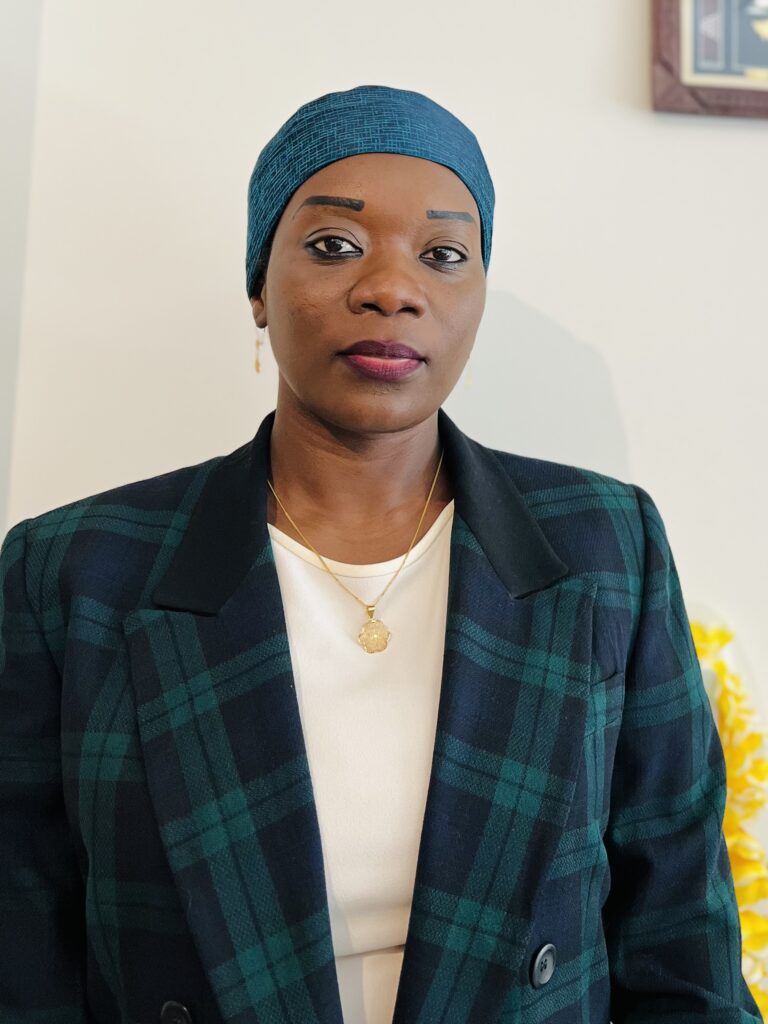
Fadji Z. Maina, PhD
Research Scientist, Hydrological Sciences Lab,
NASA Goddard Space Flight Center;
2025–2026 Millennium Fellow,
Millennium Leadership Program,
Atlantic Council

David Michel
Senior Associate, Global Food and Water Security Program,
Center for Strategic and International Studies
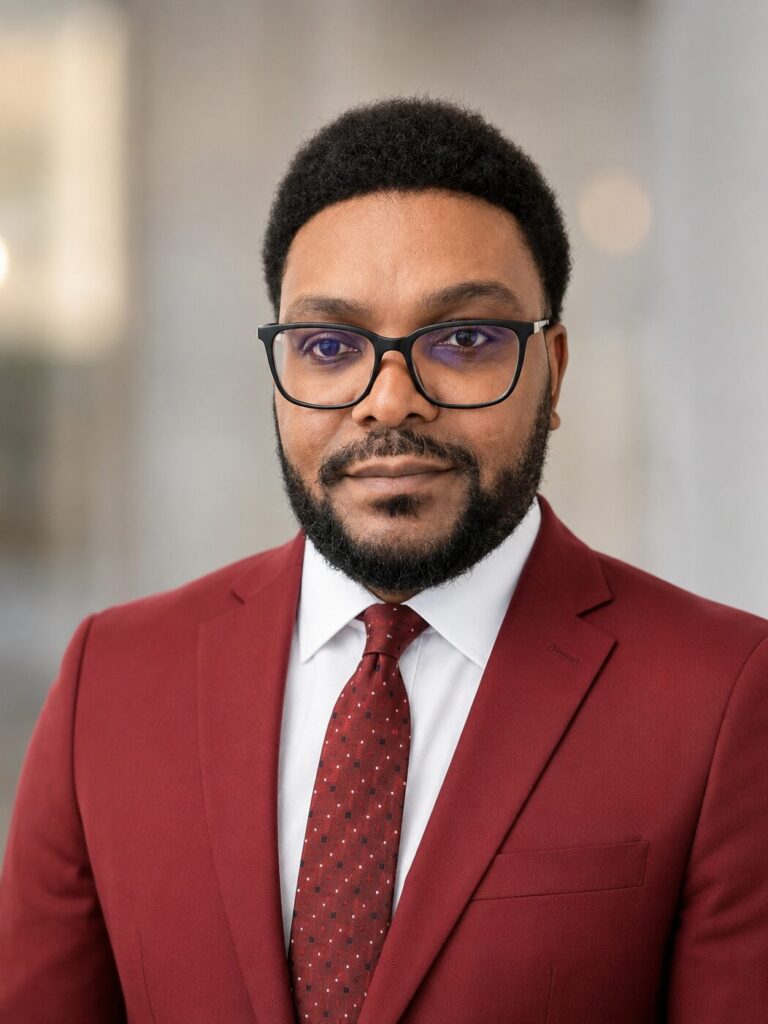
Jude Mutah, PhD
Director of Member Relations,
Corporate Council on Africa

Henk Ovink
Executive Director and Founding Commissioner,
Global Commission on the Economics of Water

John Sauer
Deputy Director, WASH,
Population Services International
Moderated by

Jacqueline Musiitwa
Nonresident Senior Fellow,
Africa Center,
Atlantic Council
In partnership with
Explore the program
The Africa Center works to promote dynamic geopolitical partnerships with African states and to redirect US and European policy priorities toward strengthening security and bolstering economic growth and prosperity on the continent.
Atlantic Council TV
Watch this event and more content on ACTV
Follow the conversations shaping our world. Available on all major platforms.