
Recent analysis

Programs

The Global Energy Center develops and promotes pragmatic and nonpartisan policy solutions designed to advance global energy security, enhance economic opportunity, and accelerate pathways to net-zero emissions.

Events

Issue Brief

Jan 9, 2020

Election 2020: What’s at stake for energy policy?

By David L. Goldwyn, Andrea Clabough

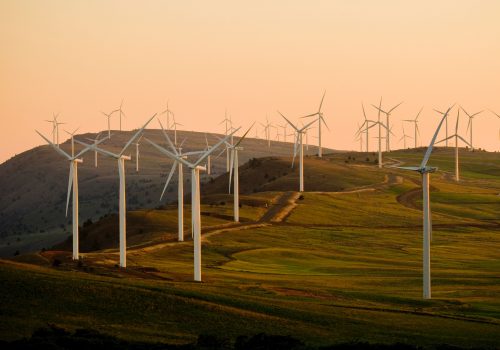
As the US presidential election in November 2020 draws nearer, the energy policy platforms—including domestic energy, climate change, foreign, and trade policies—from the Democratic candidates, as well as the energy policies of a potential second Trump Administration, have become increasingly clear.

Energy Markets & Governance
Energy Transitions

Global Energy Forum

Jan 9, 2020

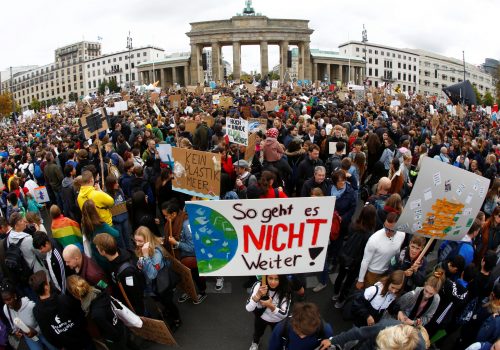
European energy diversification: How alternative sources, routes, and clean technologies can bolster energy security and decarbonization

By Richard L. Morningstar, András Simonyi, Olga Khakova, Irina Markina

The European Union’s efforts to achieve a carbon-neutral economy present a unique and timely opportunity to strengthen European energy security. What is the EU currently doing to meet its decarbonization goals, address the role of natural gas in Europe’s low-carbon future, and explain the potential for new gas sources, alternative gas routes, and clean energy technologies to reduce carbon emissions? And how can this be done while simultaneously increasing European energy security and opportunities for transatlantic cooperation?

Energy Markets & Governance
Energy Transitions
Manufacturing facility

Global Energy Forum

Jan 9, 2020

The Saudi Aramco-SABIC merger: How acquiring SABIC fits into Aramco’s long-term diversification strategy

By Private: Jean-François Seznec

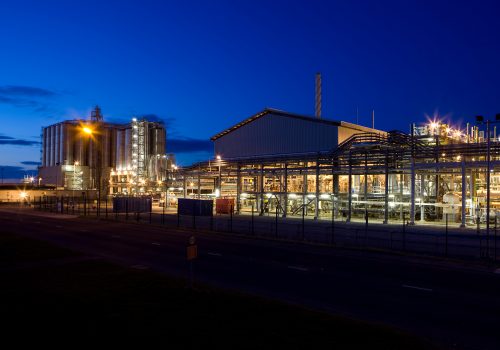
Throughout 2019, financial markets have watched the planned Saudi Aramco initial public offering (IPO), which was finally launched in December. A quieter, but no less significant, story was the Saudi oil company’s acquisition of SABIC. Saudi Aramco strove to have a successful IPO, especially through increased transparency and diversification, and the SABIC acquisition was a key element of Saudi oil company’s diversification strategy. Going forward, what does the merger mean for both companies, what is the new relationship between Saudi Aramco and SABIC, and what are the merger’s implications for the intricate relationship between the various bureaucracies and leadership in Saudi Arabia?

Energy Markets & Governance
Energy Transitions

Content

AfricaSource

Mar 20, 2025

If the international community wants to curb fossil fuel emissions, it must make Africa a serious clean energy offer

By Neil Ford

Before the international community asks African countries to leave undeveloped fossil fuel resources in the ground, it must make them an offer of clean energy financing—one substantial enough to fund Africa’s current and future appetite for electricity.

Africa
Critical Minerals

EnergySource

Mar 11, 2025

The Mediterranean must work collectively to harness the power of renewables

By Karim Elgendy

The EU Commission’s recent release of its Clean Industrial Deal underscored regional commitment to decarbonization. To capitalize on this momentum, the Mediterranean must engage in cross-border collaboration to overcome geopolitical tension and limited finance to achieve its renewables goals.

Energy & Environment
Energy Markets & Governance

EnergySource

Mar 6, 2025

How shifting political leadership, war, and generative AI are shaping the energy outlook: Insights from the 2025 Global Energy Agenda

By Landon Derentz, Christine Suh, Bailee Mathews

Political shifts, heightened conflict, and the growth of generative AI are transforming the energy system. Leadership perspectives and survey results from the Atlantic Council's 2025 Global Energy Agenda provide a valuable roadmap for adapting to the evolving energy landscape.

Energy & Environment
Energy Markets & Governance

New Atlanticist

Feb 28, 2025

How Merz can leverage Germany’s green transition for growth and security

By Carol Schaeffer

Cutting back on green policies would be an economic and strategic mistake. The incoming German government can either seize the momentum or let others lead the way.

Economy & Business
Elections

Report

Feb 24, 2025

Atoms for Appalachia: The role of nuclear energy in economic development

By Lauren Hughes

Advanced nuclear technologies can drive economic security and energy security within Appalachian states.

Economy & Business
Energy & Environment

Global Energy Agenda

Feb 20, 2025

Ushering the US auto industry into a new energy era

By Jim Farley

The auto industry is front and center at the intersection of energy, manufacturing, and innovation. For US automakers to continue leading the sector globally, they must work with policymakers to put the choices and needs of the customer first.

Americas
Energy & Environment

Global Energy Agenda

Feb 20, 2025

The US must assure its energy-secure future

By Meredith Berger

At the US Department of the Navy, energy security is mission assurance. This reality has led to its national security strategy to prioritize a diversified, resilient, and independent energy system to prepare for known and unknown threats.

Americas
Energy & Environment

Global Energy Agenda

Feb 20, 2025

The importance of US LNG for economic growth and the global energy transition 

By Daniel Yergin and Madeline Jowdy

The emergence of US liquefied natural gas (LNG) is a remarkable story. In less than a decade, the United States has gone from zero exports to being the world’s largest exporter.

Energy & Environment
Energy Transitions

Global Energy Agenda

Feb 20, 2025

Southeast Asia aims for sustainability through connectivity

By Kok Keong Puah

As Southeast Asia's energy demand rises, the region's energy transition stands at an inflection point. Looking ahead, this growth presents the region with an enormous challenge, but also the opportunity to be a leader in the global energy transition.

East Asia
Energy & Environment

Global Energy Agenda

Feb 20, 2025

Energy realities require pragmatic solutions

By Rick Muncrief

Meeting the world’s growing energy demand requires balancing reliability, affordability, and sustainability while addressing geopolitical and economic security. Pragmatic policies that expand energy access, invest in diverse energy sources, and build resilient infrastructure are needed for a more secure and prosperous future.

Americas
Energy & Environment

Experts