Expanding transmission infrastructure to achieve low-cost, reliable, and abundant energy
Electricity demand in the United States is growing rapidly, driven primarily by data centers and electrification. But the buildout of new transmission wires to deliver power from generator to end user has stalled. Expanding and modernizing the US grid is essential to meet surging electricity demand while keeping energy affordable and reliable.
To achieve these goals, however, utilities, policymakers, regulators, and other stakeholders will have to overcome four major barriers to transmission development: slow and fragmented permitting processes involving dozens of federal and state agencies; the high cost of rebuilding decades-old infrastructure; siloed utility planning that prevents regional coordination and cost-sharing; and supply chain constraints on key energy materials.
Recent Department of Energy initiatives, Federal Energy Regulatory Commission rulemakings, executive actions, and legislative efforts have made some progress to enable transmission expansion, but much more work is needed. This report outlines what actions utilities, policymakers, and regulators can take to achieve the following: proactive, long-term, coordinated system planning across regions; streamlined permitting with clear deadlines and more effective community engagement; the deployment of advanced transmission technologies like advanced conductors and dynamic line ratings; the implementation of energy efficiency and demand response programs; the development of innovative financing tools; and the diversification of supply chains for critical materials.
These actions comprise a comprehensive strategy to expand and modernize US transmission infrastructure that can yield multiples in savings over time, making grid expansion central to achieving an affordable, reliable, and sustainable energy system.
By the numbers
1,700 miles: the number of miles of new high-voltage transmission lines built per year between 2010-2014.
350 miles: the number of high-voltage transmission lines built per year between 2020-2023.
6.5 years: average time it takes for a project to complete the permitting process.
2,600 gigawatts: the amount of new generation capacity awaiting interconnection to the grid.
$20.8 billion: cost to consumers of grid congestion in 2022.
view the full issue brief
about the authors


stay connected
Sign up for PowerPlay, the Atlantic Council’s bimonthly newsletter keeping you up to date on all facets of the energy transition
explore the program

The Global Energy Center develops and promotes pragmatic and nonpartisan policy solutions designed to advance global energy security, drive economic opportunity, and foster a sustainable energy future.
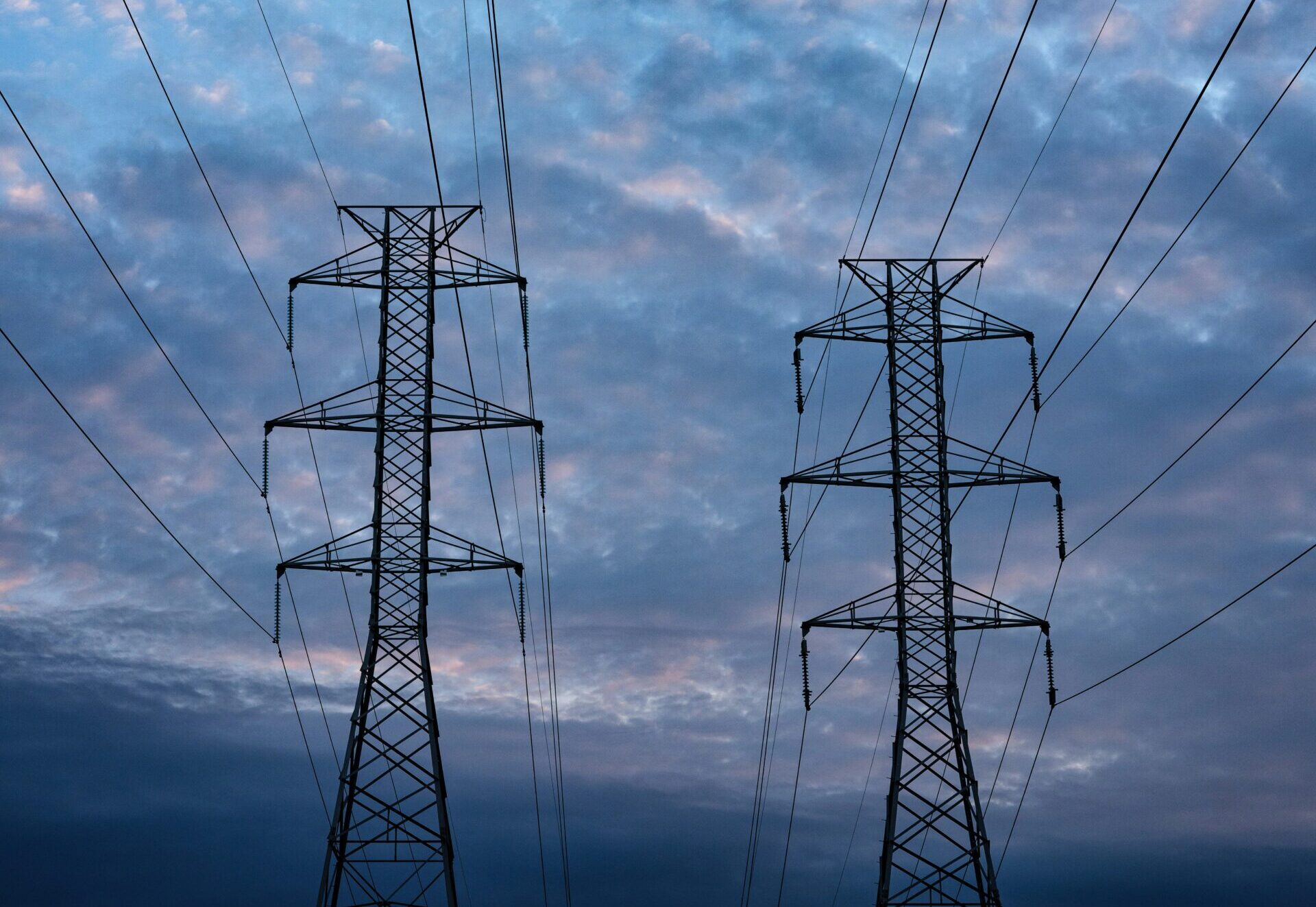
Image: HVDC towers in New Jersey. Unsplash/Julien Maculan