Stay updated

Subscribe to our daily newsletter to receive the best expert intelligence on world-changing events


Explore our unique analysis

Content

New Atlanticist

Apr 30, 2013

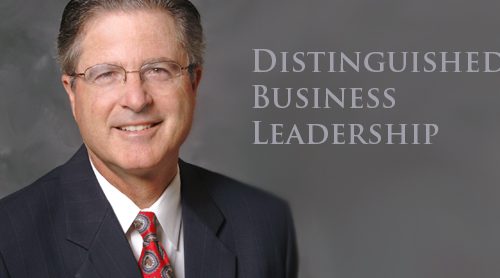
John S. Watson Honored for Distinguised Business Leadership

By Rachel Weatherly

John S. Watson is chairman of the board and chief executive officer of Chevron Corporation, a position he has held since 2010.

New Atlanticist

Apr 30, 2013

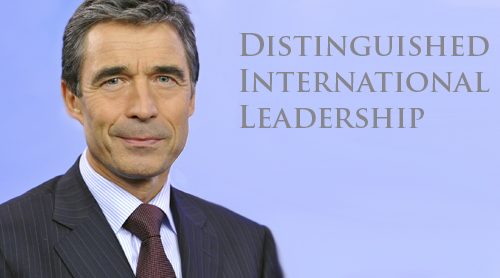
Anders Fogh Rasmussen Honored for Distinguished International Leadership

By Rachel Weatherly

Anders Fogh Rasmussen was born in Ginnerup, Jutland, on January 26, 1953. After passing the baccalaureate at Viborg Katedralskole in 1972, he studied economics at the University of Aarhus, graduating with a Master of Science in economics in 1978. The same year he became member of the Danish Parliament representing the Liberal Party.

New Atlanticist

Apr 30, 2013

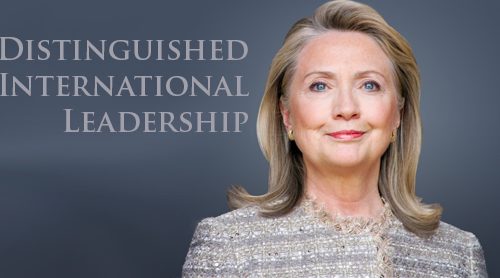
Hillary Clinton Honored for Distinguished International Leadership

By Rachel Weatherly

Hillary Rodham Clinton served as the 67th US Secretary of State from January 21, 2009 until February 1, 2013, after nearly four decades in public service as an advocate, attorney, first lady, and senator.

New Atlanticist

Apr 30, 2013

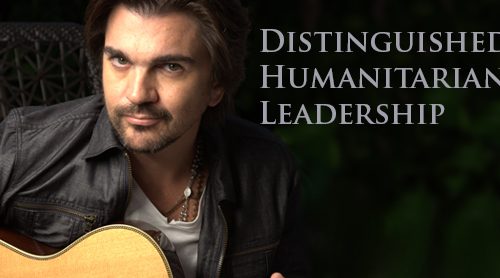
Juanes Honored for Distinguished Humanitarian Leadership

By Rachel Weatherly

With six solo albums to his credit and multi-platinum sales of more than 16 million copies, Juanes is the world’s leading all-Spanish language rock artist. The multiple Grammy and Latin Grammy Award winner is also frequently recognized as one of the Spanish-speaking world’s leading social media voices with an online following of more than 12 […]

New Atlanticist

Apr 30, 2013

Tony Bennett Honored for Distinguised Artistic Leadership

By Rachel Weatherly

Tony Bennett is an artist who moves the hearts and touches the souls of audiences. He is not just the singer’s singer, but also an international treasure honored by the United Nations with its Citizen of the World award, which aptly describes the scope of his accomplishments.

New Atlanticist

Apr 29, 2013

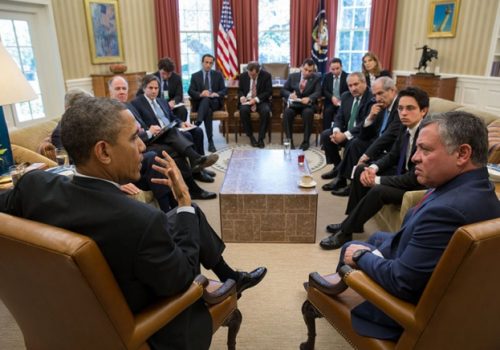
Obama Should Remember Rwanda as He Weighs Action in Syria

By Anne-Marie Slaughter

The Rwanda genocide began in April 1994; within a few weeks, nongovernmental organizations there were estimating that 100,000 Tutsis and moderate Hutus had been massacred. Yet two months later, Reuters correspondent Alan Elsner and State Department spokeswoman Christine Shelly had an infamous exchange: Elsner: “How would you describe the events taking place in Rwanda?” Shelly: […]

Syria United States and Canada

New Atlanticist

Apr 26, 2013

Tax and Transparency: an Agenda for the G8

By Paul Collier

In recent years international lawyers and accountants have built a web of corporate opacity which has enabled tax avoidance and corruption on an alarming scale. Private financial wealth sitting in tax havens has grown to around $21 trillion, of which $9 trillion is from developing countries. Some miniscule jurisdictions, such as the Cayman Islands, have […]

Economy & Business

New Atlanticist

Apr 26, 2013

Europe’s Crumple Zone

By Julian Lindley-French

On Wednesday I had the privilege of providing evidence to the House of Commons Defence Select Committee at its first meeting to consider the 2015 British Strategic Security and Defence Review alongside Lord Hennessy and Major-General Mungo Melvin.  Perhaps the most important contribution I made was to suggest to collected British politicians of all shades that […]

Economy & Business United Kingdom

New Atlanticist

Apr 25, 2013

Africa’s Global Advantage

By Adrienne Chuck

Last week, finance ministers and central bankers from around the world gathered in Washington for the World Bank and International Monetary Fund semi-annual spring meetings to promote sustainable and equitable growth. Six years after the beginning of the global financial crisis, prospects for a strong recovery are still not optimistic; conversations for the most part […]

Africa Economy & Business

New Atlanticist

Apr 24, 2013

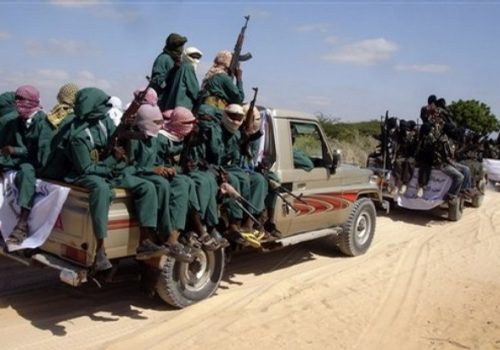
Why Terrorism is Different

By James Joyner

In the wake of the Boston Marathon bombing, several commentators have asked why we label some acts of mass violence “terrorism” while others are considered ordinary crime. Why do we treat those two so very differently, despite the latter being responsible for far more American deaths?

National Security Security & Defense