Content

New Atlanticist

Apr 16, 2021

FastTake: What’s missing from US Intel’s 2021 Threat Assessment

By Barry Pavel and Ronald Marks

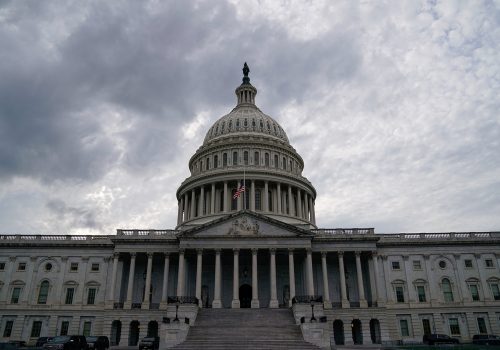
The Director of National Intelligence’s Threat Assessment for 2021 outlines the US intelligence community’s projection of the most dangerous threats to the United States over the next year. But when we don’t practice the art of strategic foresight, we may leave ourselves vulnerable to strategic blind spots.

Intelligence Resilience

The future is here

Apr 16, 2021

The post-COVID world this week: The pandemic’s role in Iran’s elections, the breakthrough cases we all feared, and the era’s lessons for science

By Andrew R. Marshall

What can we expect from a post-COVID world after a pandemic that has reshaped international affairs? A faster pace for science across the globe.

Coronavirus Politics & Diplomacy

New Atlanticist

Apr 16, 2021

Reading between the lines of the US intelligence community’s latest reports

By Mathew Burrows

What does it say about our system of government that hard truths are not absorbed? This year’s Annual Threat Assessment and Global Trends 2040 are blunt about the challenges facing the United States. But the warnings about China should have been heeded a decade or more ago.

China Intelligence

SouthAsiaSource

Apr 16, 2021

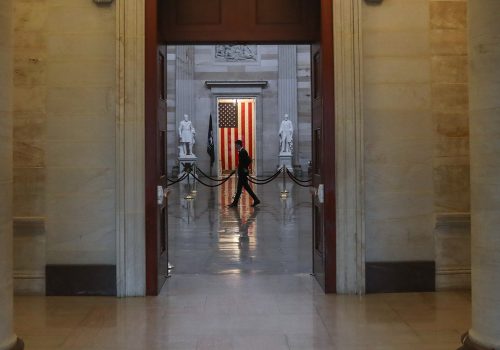
Dignity and fair negotiations is what we Afghans want

By Ejaz Ahmad Malikzada

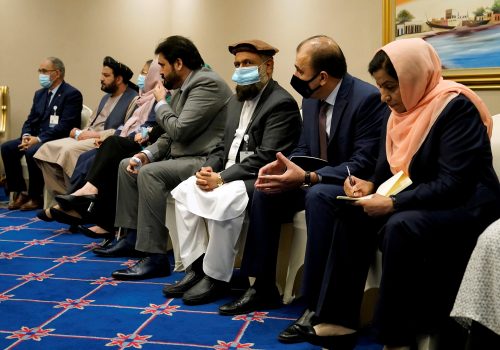
When the United States and its allies entered Afghanistan following the 9/11 attacks, it did not merely sign up to bring human rights to the Afghan people or to fight a local insurgent group. Indeed, the intervention was driven just as much by the US-led global war on terror, a fight in which we, the people of Afghanistan, have bled and sacrificed thousands of military and civilian lives alongside our US and NATO partners.
Afghanistan Peacekeeping and Peacebuilding

MENASource

Apr 16, 2021

Italy found its way back into Libya

By Karim Mezran, Alissa Pavia

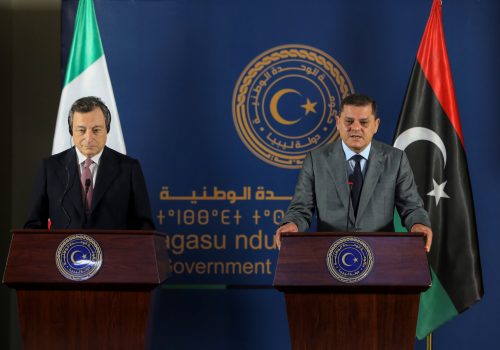
Italian Prime Minister Mario Draghi’s visit to Libya is a big step for renewing Italy’s role in Libya and the wider Mediterranean, one that should not be overlooked.

Libya Middle East

IranSource

Apr 16, 2021

Israel’s ‘shadow’ war with Iran risks playing out in the open

By Sina Azodi

After the Donald Trump administration quit the deal in May 2018, Israel escalated a shadow war with Iran to disrupt Iranian shipping and retard Iran’s nuclear advances, as the Islamic Republic had stopped implementing its JCPOA commitments in response. That war has now come increasingly into the open.

Politics & Diplomacy

UkraineAlert

Apr 15, 2021

Putin’s saber-rattling reflects Russian rage over the loss of Ukraine

By Peter Dickinson

Putin's saber-rattling activities on the Ukrainian border reflect Moscow's refusal to accept its declining influence in a country where Russia has been the dominant force for more than three centuries.

Conflict Russia

Fast Thinking

Apr 15, 2021

FAST THINKING: What the Russia-China moon deal means for the commercialization of space

By Atlantic Council

On this episode of Fast Thinking, Atlantic Council experts Divya Chander and David Bray explore what this announcement will mean for geopolitics and the commercialization of space—touching on space mining, the Artemis Accords, the Outer Space Treaty, and what we can learn from native cultures about the rights of our planet and others.

China Russia

SouthAsiaSource

Apr 15, 2021

Khuda hafez Afghanistan and maybe Pakistan!

By Shuja Nawaz

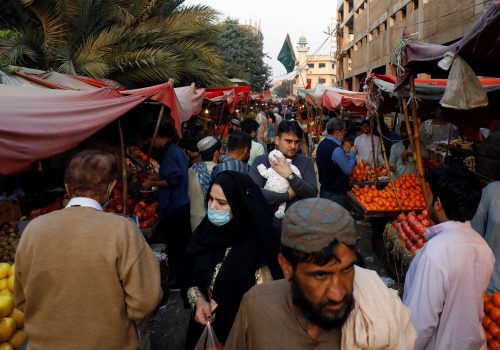
20 years after invading Afghanistan to punish the Taliban for harboring Osama bin Laden, President Joe Biden is saying goodbye to Afghanistan. Regardless of the main reason why President Biden is extracting the US military and hence NATO from Afghanistan, the people of Afghanistan may end up being sacrificed and left to the depredations of the Taliban and Islamic State.

Afghanistan Pakistan

Fast Thinking

Apr 15, 2021

FAST THINKING: Biden hits back at Putin

By Atlantic Council

Today the Biden administration hit thirty-two Russian government officials and entities, plus six companies, with economic sanctions in retaliation for the SolarWinds hack, 2020 election interference, and other Russian malfeasance. What measures matter most?

Economy & Business Financial Sanctions and Economic Coercion