
WASHINGTON—This year’s NATO Summit takes place at a critical time for the Alliance. Political churn across the Atlantic is high, magnified by the recent US conflict with Iran, a country that shares a border with summit-host Turkey, and by US President Donald Trump’s frustrations that European allies did not do enough to back the US campaign in the region. This is the latest flashpoint in a broader pattern of transatlantic friction that includes territorial provocations over Greenland and public spats with European leaders such as German Chancellor Friedrich Merz. All of it threatens to overshadow a gathering that should, by the numbers, be a moment to show genuine progress.
With no marquee deliverable like last year’s 5 percent defense spending target for the Alliance to boast, NATO leadership will point to progress from European allies on three key issues: defense spending, defense industrial production, and aid to Ukraine.
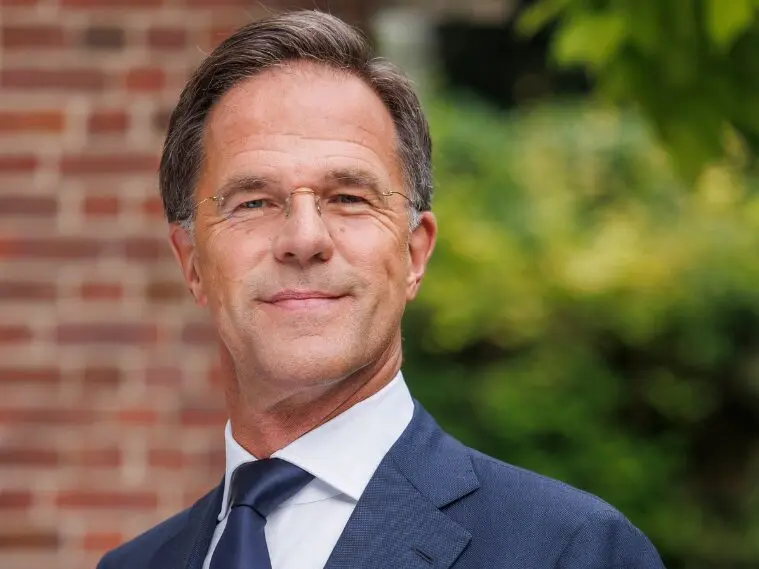
Expect the message from NATO Secretary General Mark Rutte to be that European allies are stepping up in meaningful ways. By almost every quantitative measure, Europe is doing more now than ever before.
Defense spending
A year ago, NATO allies adopted a bold defense spending target, pledging to spend 5 percent of their gross domestic product on defense and defense-related efforts by 2035. European allies are already putting weight behind this pledge, as the Atlantic Council’s NATO Defense Spending Tracker shows.
In terms of percentage growth, European allies are increasing defense spending and are making considerable progress to the new “5 percent” target. The chart below shows that some traditionally laggard allies are stepping up to the plate, but it also shows that allies such as Denmark, Norway, and Lithuania, which have long led the pack in terms of defense spending, are taking even greater steps now. Even Luxembourg is rising to the occasion, boasting the highest percentage increase over the past year. Notably, the United States ranked last in percentage growth, albeit from in the well-established position of spending the most overall.
Prediction: Expect Rutte to bring out every figure and statistic that can convince the Trump administration that the defense burden is beginning to shift, with European allies stepping up.
Defense industrial production
Spending more is an important first step, but it is just one step toward a broader goal: ensuring allies have the capabilities that they need. With the largest-ever NATO Summit Defense Industry Forum (NSDIF) set to take place as part of this year’s summit, defense industrial production will be a central theme.
Tracking the annual revenue growth of the largest defense company in each NATO country, the graphic below provides a snapshot of how increased defense spending is already flowing to defense industries across the Alliance. Some allies are investing significantly in their domestic defense industry. Other allies, such as Germany, show less parity, indicating that some are diversifying investment across their domestic defense industrial base. Others still are looking beyond their borders entirely, whether to other European partners, US industry, or increasingly to transpacific partners such as South Korea and Japan, to spend new defense dollars on much-needed capabilities. Finally, this graphic shows the rise of nontraditional primes, such as in Portugal, with drone manufacturer TEKEVER experience massive growth—demonstrating that allies are looking outside the conventional sphere for defense innovation.
Prediction: Expect intra-European and transatlantic defense industrial cooperation deals to be announced at the NSDIF, and NATO leadership to drive home the point that rising European defense spending is boosting both American and European economies.
Support for Ukraine
Ukraine is back on the summit agenda after its muted presence last year. Expect NATO messaging to revolve around the Prioritized Ukraine Requirements List (PURL), a NATO-managed mechanism that allows European allies to buy US defense equipment for Ukraine. PURL was a consequential political win for Rutte in July 2025 that quelled attempts in Washington to stop the flow of all arms to Ukraine, while carving out a path to sustain Ukraine’s warfighting efforts. In Ankara, Rutte is expected to build on this program by advancing a sustainable funding framework to help deliver military equipment, training, and air defense systems to Ukraine.
Allies across Europe, and increasingly partners in the Indo-Pacific, are donating to PURL, with Norway leading the pack. With over $5.5 billion in contributions pledged in less than a year, PURL will feature heavily in Ankara, both as a mechanism to sustain Ukraine and as clear evidence of burden-shifting.
Prediction: Expect Rutte to point to PURL as a direct boon for the US defense industry, while pressing European allies to announce additional funding commitments before the summit ends.
Taken together, these three snapshots demonstrate that Europe is starting to do precisely what Washington has long asked of its allies. The Alliance arrives in Ankara with real progress to show, yet these numbers do not capture the full weight of what the Alliance faces and may not be enough to satisfy an already-frustrated US president. Rutte will need to do more than present figures—he will need to translate them into a political argument compelling enough to keep a fractious Alliance intact.