Nika Aleksejeva

  • Resident Fellow, Baltics
Contact

Events

All Content

Issue briefs and reports

Jun 5, 2020

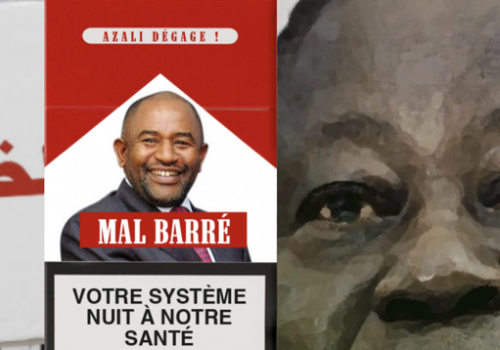
Operation Carthage: How a Tunisian company conducted influence operations in African presidential elections

By Andy Carvin, Luiza Bandeira, Graham Brookie, Iain Robertson, Nika Aleksejeva, Alyssa Kann, Kanishk Karan, Ayushman Kaul, Tessa Knight, Jean le Roux, Roman Osadchik, Esteban Ponce de Leon

A Tunisia-based company operated a sophisticated digital campaign involving multiple social media platforms and websites in an attempt to influence the country’s 2019 presidential election, as well as other recent elections in Africa. In an exclusive investigation that began in September 2019, the DFRLab uncovered dozens of online assets with connections to Tunisian digital communications firm UReputation. On June 5, 2020, after conducting its own investigation, Facebook announced it had taken down more than 900 assets affiliated with the UReputation operation, including 182 user accounts, 446 pages, and 96 groups, as well as 209 Instagram accounts. The operation also involved the publication of multiple Francophone websites, some going back more than five years.

Africa Disinformation
Operation Secondary Infektion

Report

Jun 22, 2019

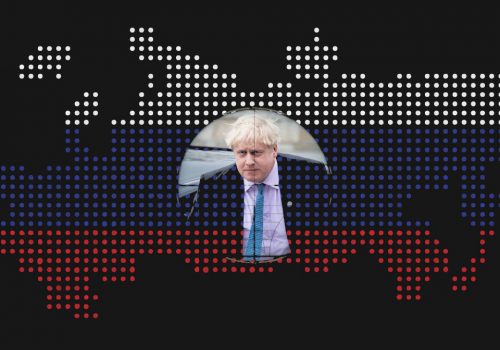
Operation Secondary Infektion

By Nika Aleksejeva, Lukas Andriukaitis, Luiza Bandeira, Donara Barojan, Graham Brookie, Eto Buziashvili, Andy Carvin, Kanishk Karan, Ben Nimmo, Iain Robertson, and Michael Sheldon

A Russian-based information operation used fake accounts, forged documents, and dozens of online platforms to spread stories.

Disinformation English

Electionwatch

May 16, 2019

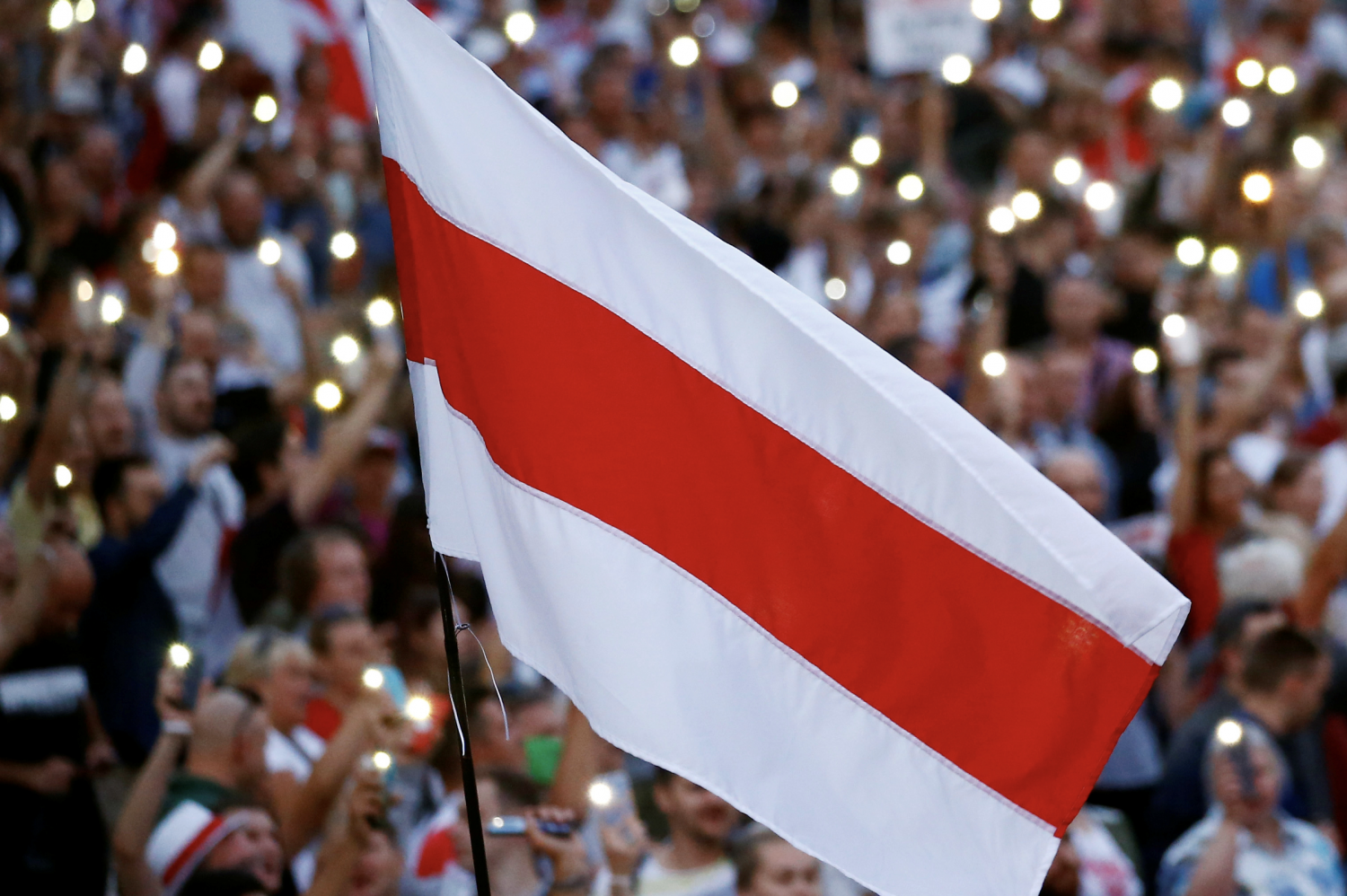
Old Videos Repurposed as Anti-Immigrant Content Ahead of EP Elections

By Nika Aleksejeva

Recycled footage spreads on Twitter and Facebook in the lead-up to the European Parliament elections

Government Social Media

Nika Aleksejeva is a research fellow for the Baltics at the Atlantic Council’s Digital Forensic Research Lab (DFRLab), based in Latvia. Her research focuses on identifying, exposing, and explaining malign information influence campaigns across digital engagement spaces in the Baltic states and beyond. Her work has examined hostile Kremlin narratives concerning NATO’s enhanced forward presence (NATO eFP) in the Baltic states and Poland, disinformation surrounding COVID-19, the 2020 Belarus political crisis, and malign information influence campaigns related to Russia’s war in Ukraine.

Aleksejeva was among the first to uncover Sputnik’s covert strategy for expanding its reach on Facebook in 2019, as well as early signs of information operations known as Ghostwriter, Secondary Infection, and Doppelganger. More recently, she investigated networks of pro-Kremlin Telegram channels disseminating Russia’s propaganda globally. Her work has been featured in prominent media outlets such as Huffington Post, BBC, NBC, AP, Der Spiegel, and Politico, among others.

With a background in journalism, Aleksejeva’s previous reported on business topics and produced data-driven stories on global economic trends and education. Prior to joining NATO Strategic Communications Centre of Excellence (Stratcom COE), she worked with Infogram, a data visualization platform. Dedicated to strengthening quality journalism and resilience to online disinformation, she supports Latvian journalists by curating the School of Data branch in Latvia.