Middle East Programs Commentary & Analysis

Our blogs feature thoughtful reflections and opinions on current events in the Middle East & North Africa.
Through our Middle East Programs, the Atlantic Council works with allies and partners in Europe and the wider Middle East to protect US interests, build peace and security, and unlock the human potential of the region.
Meet our blogs

All commentary & analysis

MENASource

Sep 20, 2021

‘Investing in women is just good business’: Ways to increase funding for women-led ventures in the Middle East

By Stefanie Hausheer Ali

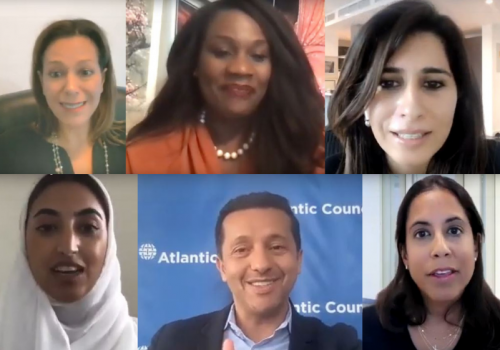
On September 14, 2021 the Atlantic Council’s empowerME Initiative held a workshop on “Venture Capital Financing: How to Increase Funding for Women-led Ventures."

Middle East The Gulf

MENASource

Sep 17, 2021

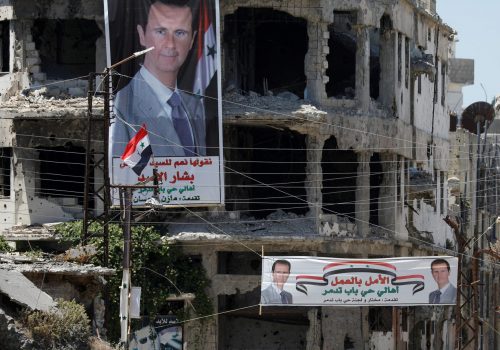
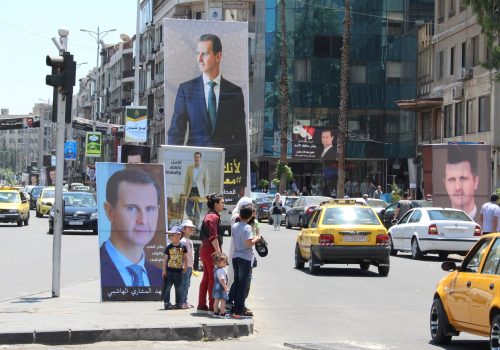
Syria after the fall of Kabul: A European perspective

By Michel Duclos

There is at least one common factor between Syria and Afghanistan: just as the Taliban has not changed once it took back power, the Bashar al-Assad regime will not change once its power is affirmed.

Middle East Politics & Diplomacy

IranSource

Sep 16, 2021

Iran’s environmental woes could be Raisi’s Achilles heel

By Javad Heiran-Nia and Mahmood Monshipouri

Among the challenges encountered by the Islamic Republic of Iran, climate change looms as one of the most serious, disrupting, and even life-threatening issues facing both rural and urban populations. This threat has worsened at a time when Iran is politically polarized, ideologically fractured, and economically embattled.  

Energy & Environment Iran

MENASource

Sep 15, 2021

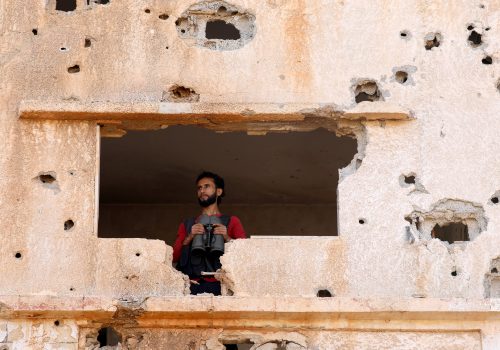
Renewed hostilities in Daraa offer lessons and opportunities in Syria. But will Washington pay attention?

By Alexander Langlois

Prolonged unrest in the south highlights rifts within the pro-Bashar al-Assad camp, notably between Iran and Damascus on one side and Russia on the other, potentially presenting a unique opportunity for diplomacy.

Middle East Politics & Diplomacy

MENASource

Sep 13, 2021

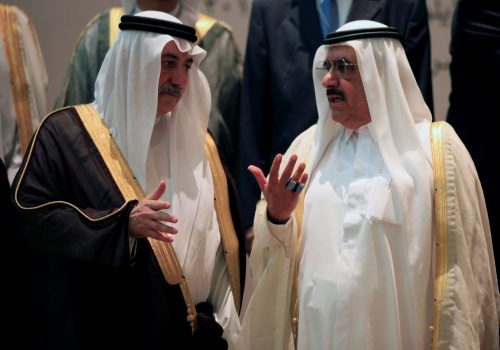
Defusing Saudi Arabia-UAE tensions through economic rebalancing

By Hani Findakly

By identifying the economic imbalances contributing to the breakdown, recalibration is possible to rebuild a more balanced relationship that circumvents the zero-sum game that has given rise to the Riyadh-Abu Dhabi dispute.

New Atlanticist

Sep 10, 2021

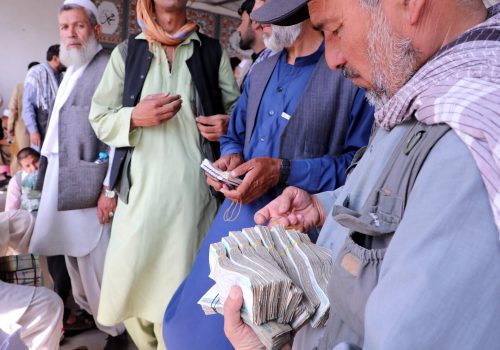
Afghanistan’s ex-central bank chief: The Taliban has money to ‘run an insurgency but not a government’

By Dan Peleschuk

At an Atlantic Council event, Ajmal Ahmady discussed how the Taliban must govern a country short on cash and mired in multiple crises.

Afghanistan Conflict

IranSource

Sep 8, 2021

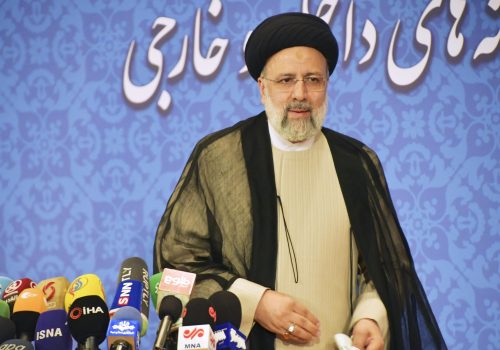
Iran’s new president has blood on his hands

By Nasser Mohajer and Kaveh Yazdani

Iran’s new President, Ebrahim Raisi, played a key role in the execution of some 5,000 political prisoners and was part of the “Death Commission” responsible for the 1988 massacre.

Human Rights Iran

MENASource

Sep 8, 2021

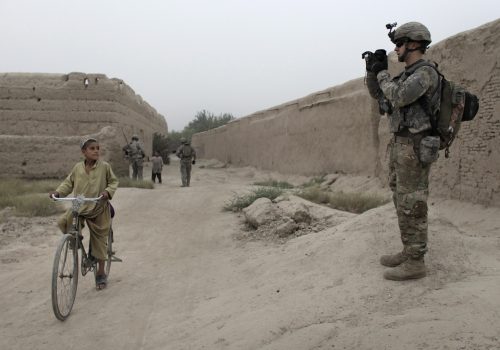
It’s been twenty years since 9/11. The US Army still hasn’t learned to speak Arabic or Dari.

By Jon Tishman

The August withdrawal ended close to twenty years of combat operations in Afghanistan, while the US aims to end seventeen years of combat mission in Iraq by the end of this year. After such lengthy conflicts, one might expect the US Army to be overrun with soldiers fluent in Arabic and Dari. Despite repeated deployments and enough time to educate current senior leaders in the ranks from grade school skills to bachelor’s degree-level, the overall rate of soldiers conversant in target languages remains abysmally low in combat arms, even among codified linguist positions.

Afghanistan Iraq

Article

Sep 7, 2021

Extremist communications: The future is corporate

By Jennifer A. Counter

Digital platforms have enabled white supremacists such as The Base to build out networks in North America, Europe, and Australia, and provide extremist groups with a low- to zero-cost means to disseminate their messages.

National Security Security & Defense

Article

Sep 7, 2021

Does treating Syria as a State Sponsor of Terrorism advance or hold back US national security interests?

By Nate Rosenblatt

In 1979, the United States designated Syria as a state sponsor of terrorism, putting it on its first-ever such list along with Libya, Iraq, and the former South Yemen.

Middle East National Security