Middle East Programs Commentary & Analysis

Our blogs feature thoughtful reflections and opinions on current events in the Middle East & North Africa.
Through our Middle East Programs, the Atlantic Council works with allies and partners in Europe and the wider Middle East to protect US interests, build peace and security, and unlock the human potential of the region.
Meet our blogs

All commentary & analysis

IranSource

Mar 9, 2021

Middle class Iranians sought to remake their nation. Here’s how they were betrayed.

By Borzou Daragahi

There are broad continuities in the themes that have shaped Iran’s politics and society over the last century. The influence of Iran’s middle classes, who have at times aligned themselves with or steadfastly opposed those in power, has waxed and waned.

Iran Middle East

IranSource

Mar 9, 2021

As Iran enters a new century, many old challenges remain

By Nadereh Chamlou

At the dawn of their new century, Iranians still aspire for an accountable and effective government, social inclusion and economic security, and a productive and respectful collaboration with foreign powers.

Iran Middle East

IranSource

Mar 8, 2021

Reza Shah: Development without democracy

By Shaul Bakhash

Reza Shah, a middle-ranking officer in Iran’s Cossack Brigade, seized power in 1921 and, for the next twenty years, dominated and transformed Iran as commander of the army, prime minister, and finally king.

Iran Politics & Diplomacy

MENASource

Mar 8, 2021

Celebrating MENA women entrepreneurs and business leaders

By Atlantic Council

In honor of International Women’s Day, the Atlantic Council’s empowerME asked Middle East business leaders and government officials to share a "shout out" about a woman entrepreneur or business leader who inspires them

Economy & Business Middle East

IranSource

Mar 5, 2021

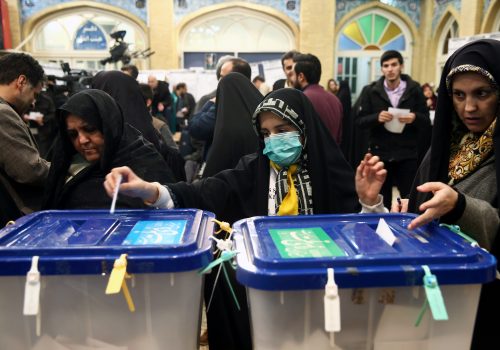
Multiple elections could boost hardline victories in Iran

By Anonymous

There are no definite candidates yet in the reformist-moderate camp for obvious reasons—they are likely to lose. Unless there is a drastic change in the political or economic atmosphere that can guarantee a bigger turnout, the candidates of this camp do not have any chance of winning.

Iran Middle East

MENASource

Mar 3, 2021

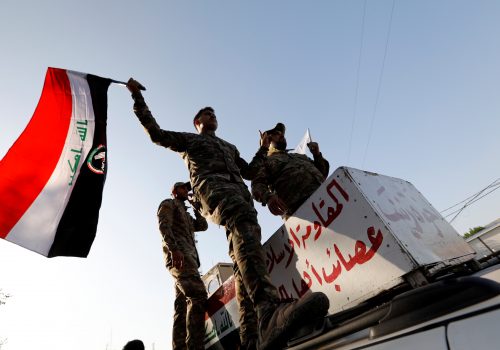
How to normalize the Iraq-Iran relationship

By Andrew L. Peek

Of course, no country exists in a vacuum, but there are certain clarifications of the relationship between the two countries that every Iraqi should support—and Americans should insist upon.

Iran Iraq

Podcast

Mar 2, 2021

Must see (Saudi) TV

By Atlantic Council

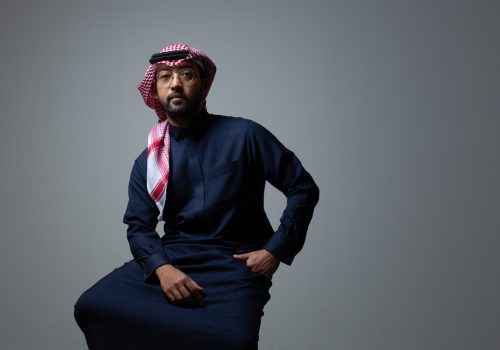
On episode 6 of empowerME Conversations podcast, host and Atlantic Council empowerME Director Amjad Ahmad speaks with Telfaz 11 and C3 Films CEO Alaa Fadan about his trailblazing efforts to produce TV and media content with Saudi talent, the recent Netflix deal, and the culture change that is boosting entrepreneurship and women’s economic empowerment in Saudi Arabia.

Economy & Business Middle East

Seizing the advantage

Mar 1, 2021

How should the next National Defense Strategy balance terrorism, rogue regimes, and great-power competition?

By Matthew R. Crouch, Ronald C. Fairbanks

Our experts explore how the United States can tackle terrorism, address the advances of rogue regimes, and establish a balance between competition and cooperation with other global powers.

China Conflict

IranSource

Mar 1, 2021

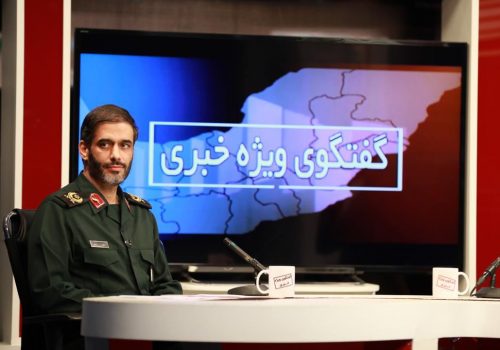
Saeed Mohammad: The young face of the IRGC weighing his political options

By Sina Azodi

Even if Saeed Mohammad does not run in the June elections, he will still remain an influential figure and a rising star within the IRGC cadre, who is likely to play a larger role within the Islamic Republic’s political establishment.

Iran Politics & Diplomacy

New Atlanticist

Feb 26, 2021

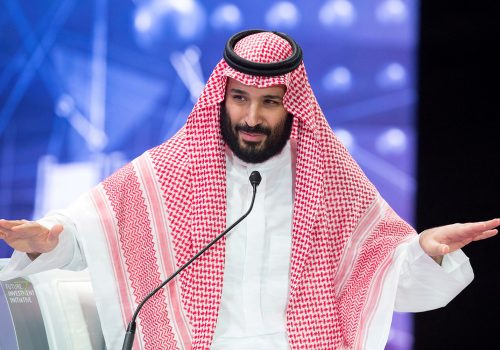
After the Khashoggi report: How the US can respond and avoid blowback

By Kirsten Fontenrose

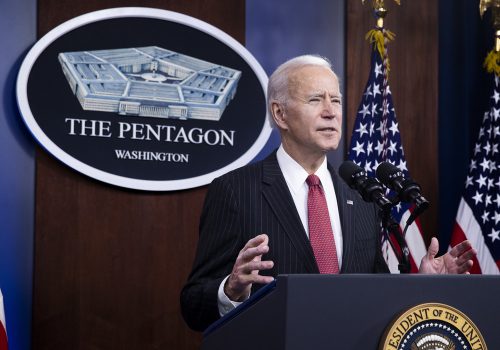
There is a wide array of options available to the United States as a response to the Khashoggi report. But some carry more potential for blowback than others. When assessing the range of options, the Biden administration should choose those that mitigate the negative impact on long-term US interests.

Middle East Saudi Arabia