
JERUSALEM—Since the outbreak of mass protests in Iran, Israel’s public response has been unusually muted.
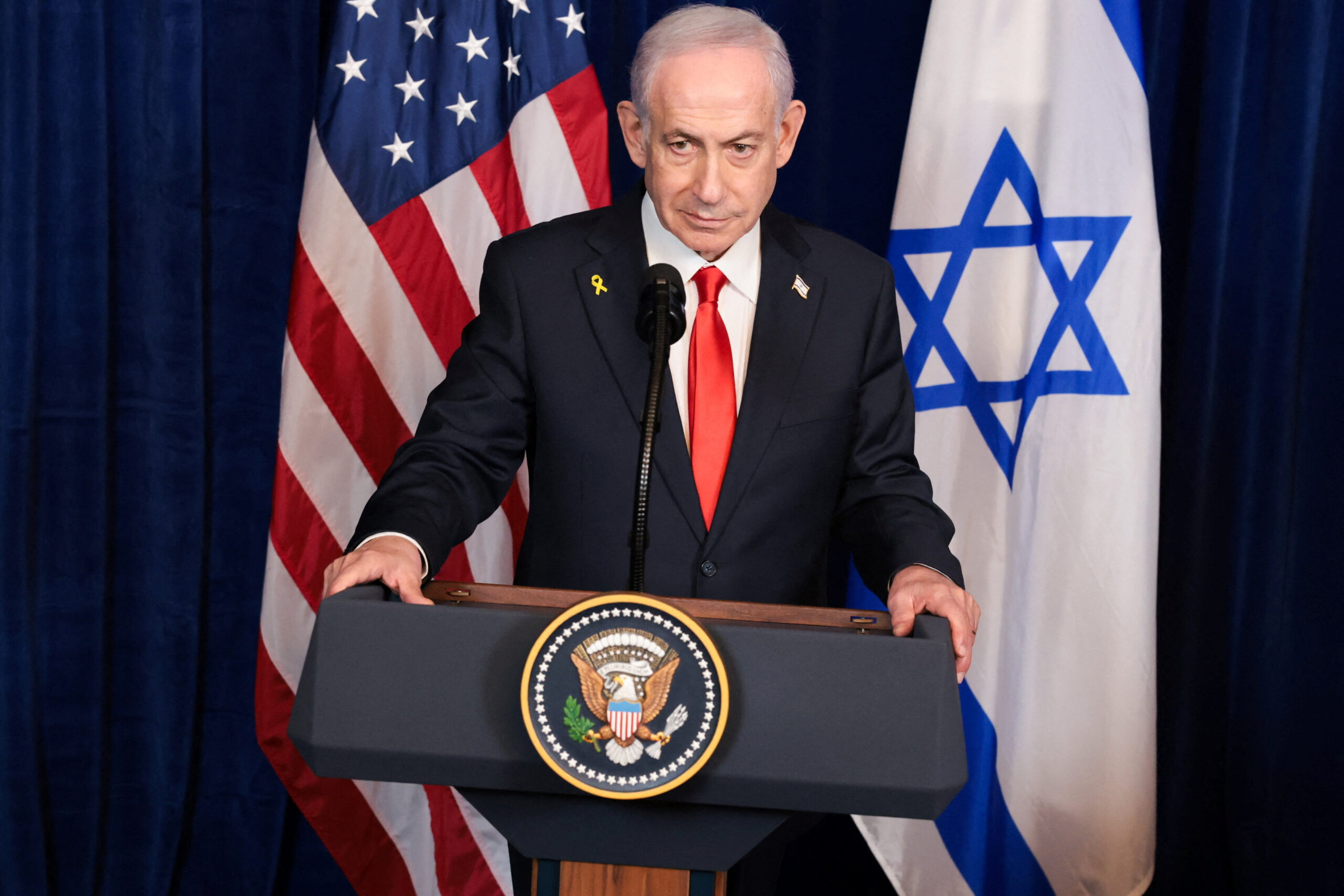
Cabinet ministers were instructed by Israeli Prime Minister Benjamin Netanyahu to refrain from commenting on the unfolding events, while Netanyahu himself limited his remarks to a brief statement expressing support for the Iranian protesters.
At first glance, this restraint appears puzzling. Iran is facing its most serious internal unrest since the 1979 Islamic Revolution. For Netanyahu, who has long argued that the Iranian regime is inherently unstable and illegitimate, this moment would seem to bring his strategic vision closer to realization. Yet it is precisely this possibility that explains Israel’s caution.
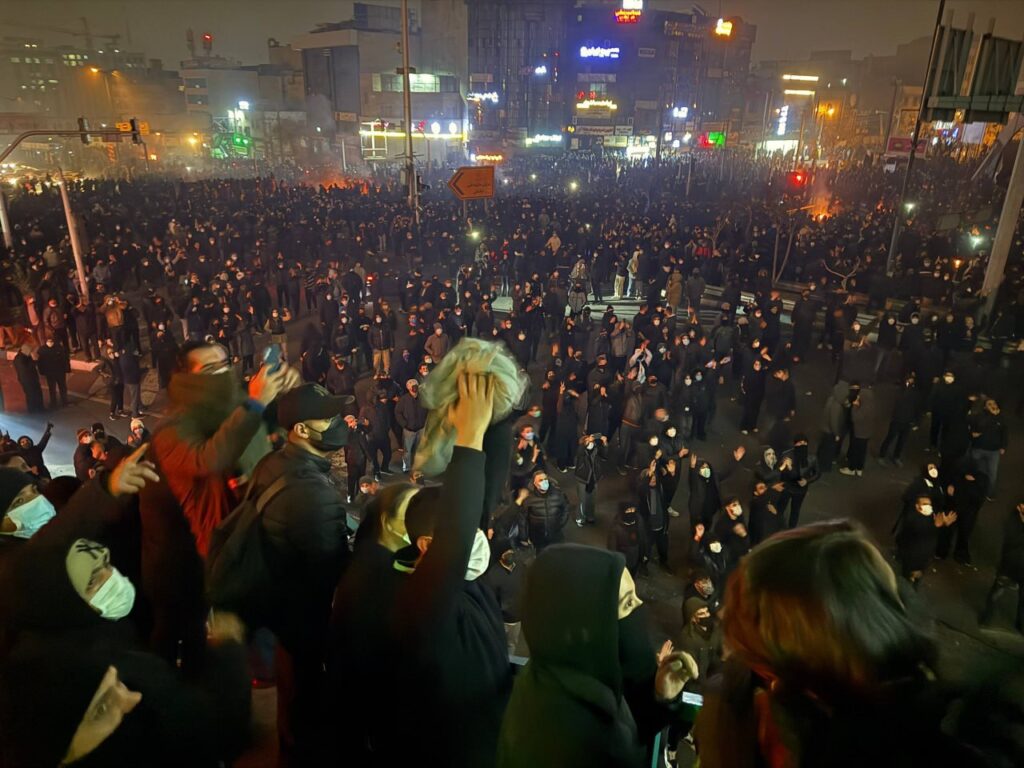
Netanyahu understands that overt Israeli involvement in encouraging the protests would be counterproductive. Public Israeli support would hand Tehran a ready-made justification for violent repression, reinforce the regime’s narrative of foreign interference, and provide Iran with diplomatic pretext to act against Israel. More importantly, Israel has little real capacity to influence Iran’s internal balance of power. Symbolic gestures by Israel would carry high costs and minimal benefits.
There is also a broader strategic consideration. If regime change in Iran were to materialize, then it would almost certainly be driven by US actions and decisions, not Israeli ones. For years, Netanyahu has pressed Washington to confront Iran more forcefully. He is acutely aware that visible Israeli activism now could be perceived in the United States as an attempt to push the administration toward military action, echoing the controversies surrounding his past interventions in American domestic debates, most notably in the run-up to the Iraq War.
Another important factor behind Israel’s silence is the fear of premature escalation. Jerusalem is concerned about being drawn into a direct confrontation with Tehran before completing its own military and civilian preparations. In this context, Israel has reportedly conveyed calming messages to Iran, some via Russian intermediaries, signaling that it is not seeking an immediate confrontation. The objective is to reduce the risk of miscalculation that could lead Iran to conclude, mistakenly, that an Israeli strike is imminent.
Behind the scenes, however, Israel remains deeply engaged. It is maintaining close military and diplomatic coordination with the US administration and quietly preparing for scenarios in which US action against Iran could trigger Iranian retaliation, possibly against Israel itself. Such retaliation could, in turn, provide Israel with both the justification and the strategic opening for a broader campaign against Iran.
It is worth recalling that shortly before the unrest erupted, Netanyahu met with US President Donald Trump and sought a green light for military action against Iran, citing Tehran’s accelerated missile buildup. From Israel’s perspective, regime change would be the optimal outcome—one that could spare Jerusalem from another major conflict driven by Iran’s growing strategic capabilities, which Israel is unwilling to tolerate indefinitely.
Yet even if Netanyahu’s long-standing goal were achieved and the Iranian regime were fundamentally transformed, Israel could still find itself facing a more complex and potentially dangerous reality.
One possibility is that Trump might seek to capitalize on the regime’s weakness by pursuing a new nuclear agreement with Tehran. Even if such a deal were to include significant Iranian concessions—such as limits on enrichment—Israel would likely oppose it, arguing that it would stabilize and legitimize the existing regime while constraining Israel’s ability to sustain international pressure on Iran.
Other scenarios are even more troubling. The Islamic Revolutionary Guard Corps could consolidate power, accelerate a dash toward a nuclear weapon, or preside over a fragmented state in which control over Iran’s strategic weapons becomes uncertain. There is no guarantee that moderate, pro-Western forces would emerge victorious from a period of instability.
In Israel, there is sometimes a romanticized vision of a return to pre-1979 relations with Iran, harking back to the era of the shah. In reality, the likelihood of such a scenario is extremely low. Some Israelis’ quiet support for Reza Pahlavi, the eldest son of the last shah, carries significant risks and may end in disappointment, given his limited domestic legitimacy and organizational capacity inside Iran.
Ultimately, Netanyahu appears closer than ever—at least in his own assessment—to seeing the collapse of the Iranian regime. This explains Israel’s current strategy: public silence combined with intense behind-the-scenes coordination with Washington. Yet, as in other strategic arenas, Israel lacks a coherent, well-developed plan for “the day after” in Iran beyond hopeful assumptions about regime change.
