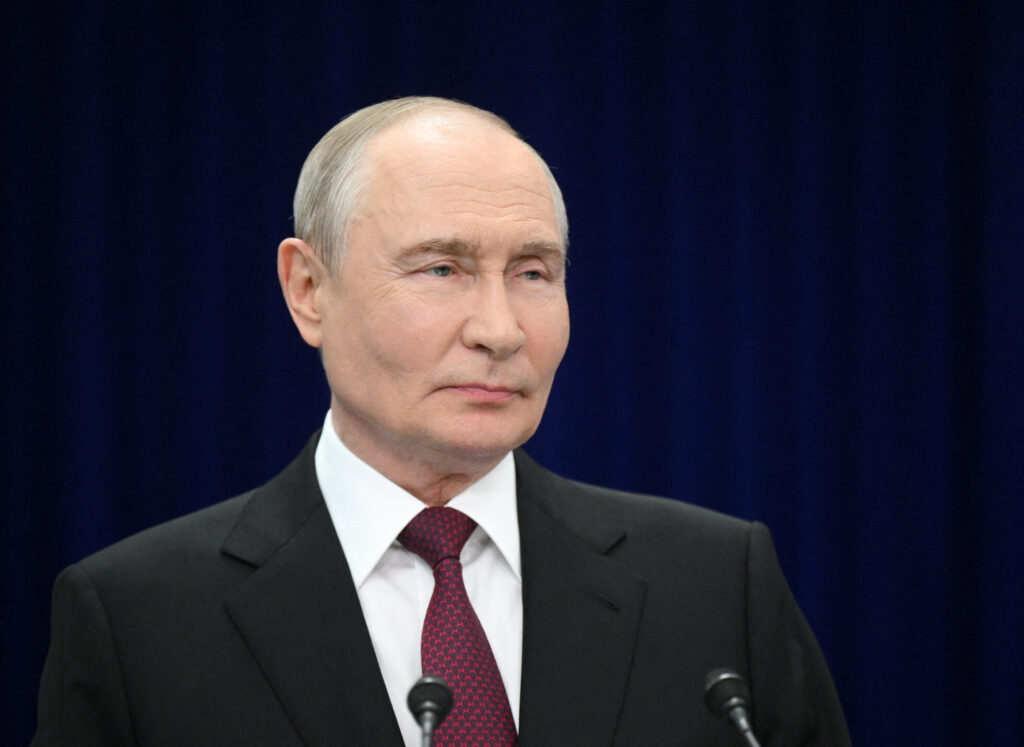
Moscow has this week rejected the idea of a trilateral peace summit between the leaders of Russia, Ukraine, and the United States. Kremlin spokesman Dmitry Peskov said there would be “absolutely no point” in meeting unless a deal was ready to be signed. This latest refusal underlines Russia’s uncompromising stance toward negotiations aimed at ending Europe’s largest invasion since World War II.
Since US President Donald Trump returned to the White House in early 2025, Russian representatives have repeatedly voiced their readiness to engage in diplomacy, while at the same time accusing Ukraine and its Western partners of obstructing peace efforts. In reality, however, Russian President Vladimir Putin has proved unwilling to offer any meaningful concessions. Instead, he has continued to pursue peace terms that would undermine the existence of an independent Ukraine.
While Kremlin officials insist on their interest in a negotiated settlement, they have also consistently stressed the need to address the so-called “root causes” of the war. This phrase has become the cornerstone of Russian diplomatic messaging. While no single definition has ever been provided, statements and signals from Moscow indicate that Russia’s “root causes” reflect the Kremlin’s refusal to accept the existence of an independent Ukraine.
Stay updated
As the world watches the Russian invasion of Ukraine unfold, UkraineAlert delivers the best Atlantic Council expert insight and analysis on Ukraine twice a week directly to your inbox.
Russia’s proposed peace terms include the need for Ukraine to recognize the “new territorial realities” created by the ongoing invasion. In practice, this would mean permanently ceding areas of Ukraine that are currently under Russian occupation, while also voluntarily abandoning the formidable fortress belt held by Ukrainian forces in the east of the country and withdrawing from the Donbas region entirely.
Handing over swathes of land to Russia would place the survival of the Ukrainian state in grave danger. However, these territorial concessions represent just one aspect of Moscow’s punitive peace proposal. The Kremlin also insists on isolating Ukraine internationally and interfering in the country’s internal politics in a bid to reassert Russian dominance and reverse the nation-building progress of the post-Soviet era.
The Kremlin seeks to impose an extreme form of neutrality on Ukraine by barring the country from future NATO membership and restricting Kyiv’s right to establish bilateral security partnerships with individual Western allies. Moscow has also indicated that any peace settlement must include strict limits on the size and capabilities of the Ukrainian military. It does not take much imagination to predict what Putin has in mind for Ukraine if he is permitted to disarm and isolate the country in this manner.
Kremlin officials have also called for a settlement that would revive Russian influence over Ukraine’s domestic affairs. A memorandum presented by the Russian side during bilateral peace talks in summer 2025 called on Ukraine to grant Russian the status of official state language, reinstate the privileges of the Russian Orthodox Church, and adopt a Kremlin-friendly version of Ukrainian history. Meanwhile, so-called “nationalist” Ukrainian political parties would be banned, paving the way for the installation of a puppet regime.
More recently, Russian Foreign Minister Sergei Lavrov has reiterated Russia’s rejection of any peace terms that would safeguard Ukrainian statehood and secure the country’s further Euro-Atlantic integration. Speaking in August 2026, Lavrov said a proposed ceasefire agreement based on the present front lines of the invasion was totally unacceptable to Moscow as it would “leave the Nazi regime in power,” a clear indication that Russia’s end goal remains regime change in Kyiv.
Eurasia Center events

Russian officials continue to maintain that Moscow has “never refused diplomacy,” even while reiterating conditions that are obviously incompatible with Ukrainian sovereignty. In other words, while Russia wishes to avoid blame for the ongoing war, it is abundantly clear that Putin has no real interest in compromise solutions. Instead, the Kremlin is using the language of diplomacy to legitimize the maximalist objectives of Russia’s invasion.
Most Ukrainians appear to understand Putin’s position perfectly well. During a meeting with journalists in Kyiv on August 30, recently appointed Ukrainian Defense Minister Yevhenii Khmara stated that accepting the Kremlin’s current territorial demands would not end the war or bring peace. “Russia is not interested in Donetsk or Luhansk alone,” he commented. “Its goal is all of Ukraine.”
As efforts to revive the faltering peace process continue, it is important for Western policymakers to avoid being misled by Kremlin claims about Russia’s readiness for a diplomatic solution. From Moscow’s perspective, peace means accepting the Russian conquest and subjugation of Ukraine. As far as Putin is concerned, the “root cause” of the war is the existence of an independent Ukrainian state.
Kateryna Odarchenko is a partner at SIC Group Ukraine.
Further reading

The views expressed in UkraineAlert are solely those of the authors and do not necessarily reflect the views of the Atlantic Council, its staff, or its supporters.

The Eurasia Center’s mission is to enhance transatlantic cooperation in promoting stability, democratic values, and prosperity in Eurasia, from Eastern Europe and Turkey in the West to the Caucasus, Russia, and Central Asia in the East.
Follow us on social media
and support our work
Image: Russian President Vladimir Putin speaks during a press conference following the Shanghai Cooperation Organisation (SCO) summit in Bishkek, Kyrgyzstan. September 2, 2026. (Sputnik/Kristina Solovyova/Pool via REUTERS)