Content

New Atlanticist

Sep 30, 2020

Nepal in the face of intersectional crises: A history of mismanagement

By Capucine Querenet

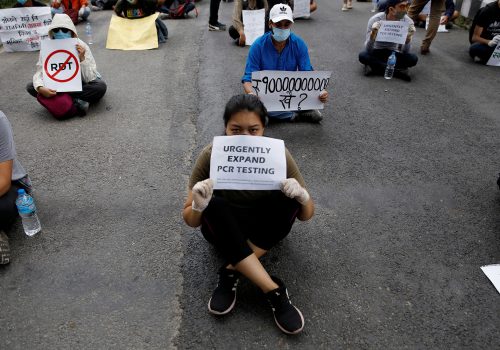
Nepal’s poor governance track record—characterized by inadequate leadership after the 2015 earthquake, a divided ruling party, corruption and mishandling of funds by the government, and questionable governance practices by the prime minister—not only puts the population at a disadvantage in weathering the pandemic, but it also may deal additional blows to the country’s health and economic wellbeing.

Civil Society Coronavirus

New Atlanticist

Sep 30, 2020

Relaunching the transatlantic trade agenda: a European perspective

By Emilie Bel

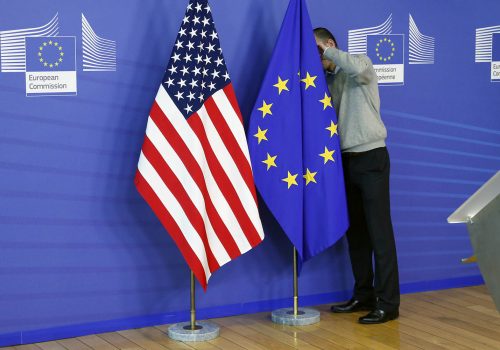
A new transatlantic partnership will be necessary whatever the result of the US election because the EU-US trade relationship, the European and US approach to multilateralism, and the global balance of power have changed.

Economy & Business Europe & Eurasia

Event Recap

Sep 30, 2020

Event recap | Space economics: Building sustainable space infrastructure

By GeoTech Center

On Wednesday, September 30, 2020, the Atlantic Council's GeoTech Center hosted an expert panel to discuss the policy implications of the rapid commercialization of space exploration.

Space Space Security

IranSource

Sep 30, 2020

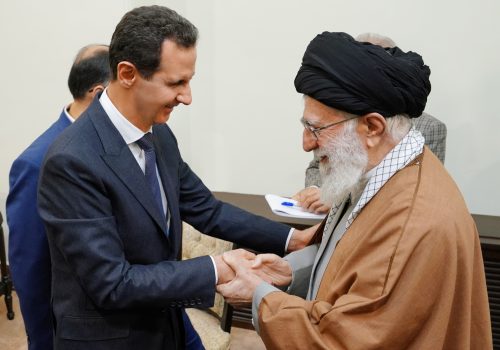
Examining Tehran’s regional strategy

By Kenneth Katzman

Neither the Obama administration’s successful negotiation of the 2015 multilateral Iran nuclear agreement nor the Trump administration’s unilateral withdrawal from the JCPOA and re-imposition of sanctions appear to have dented or retarded Iran’s advancement of its regional goals.

Iran Middle East

EnergySource

Sep 29, 2020

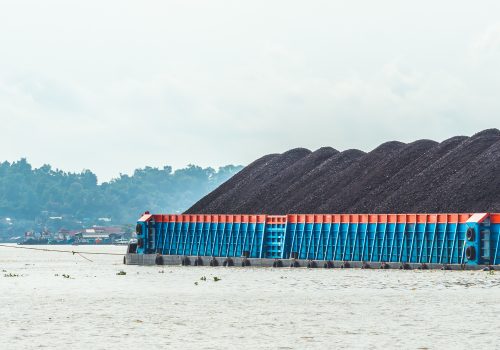
The global climate crisis and the clean energy transition in the Asia-Pacific region: Implications for the next US administration

By Robert F. Ichord, Jr.

Even with major emissions reductions in the United States and EU, the world has little chance of achieving global net-zero emissions by 2070, much less 2050, without significant changes to the Asia-Pacific energy mix. The next US administration should pursue a well-funded “whole of government” presidential initiative to work with Asia-Pacific countries on viable clean energy strategies and projects within a revived US multilateral trade, aid, and investment approach.

Energy & Environment Energy Transitions
Interference2020

Elections 2020

Sep 29, 2020

Making sense of foreign interference claims on the eve of the 2020 US election

By Digital Forensic Research Lab

The DFRLab launches an interactive, open-source database that captures allegations of foreign interference relevant to the 2020 election. It assesses the credibility, objectivity, evidence, transparency, and impact of each claim.
Disinformation Elections

MENASource

Sep 29, 2020

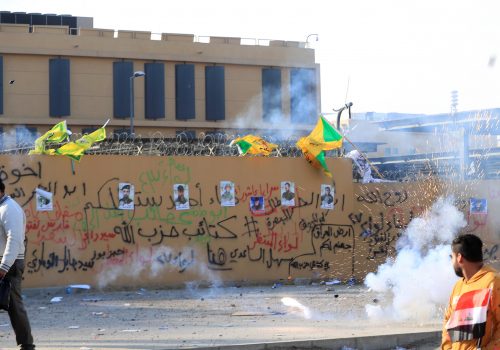
Does the United States need an embassy in Baghdad?

By David Mack

Iraq remains a country of great importance to the United States and it would be foolish to deprive Washington of a tool for assessing and hopefully influencing conditions in Iraq.

Iraq Middle East

New Atlanticist

Sep 29, 2020

Tackling the China threat with economic statecraft

By David Mortlock

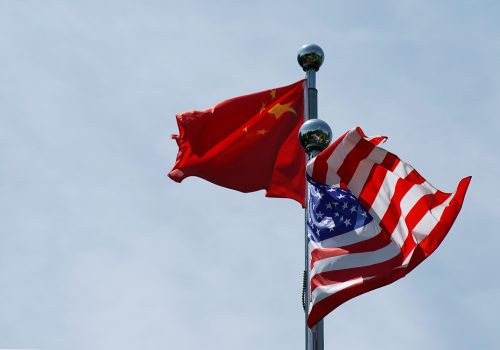
Decoupling the US and Chinese economies does little to address the more fundamental threat posed by China’s efforts to rewrite the global rulebook.

China Financial Regulation

New Atlanticist

Sep 29, 2020

Three Seas Initiative could help jumpstart Europe’s post-COVID recovery and green economy transformation

By David A. Wemer

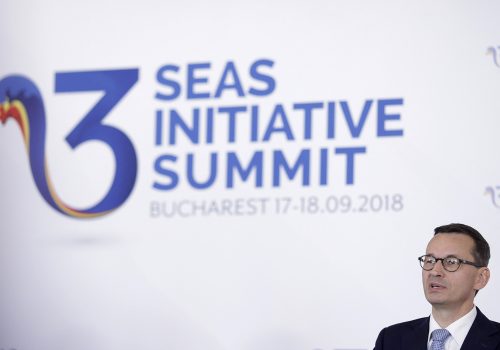
Buoyed by a new commercially managed investment fund and a $1 billion pledge from the United States, leaders from the Three Seas Initiative will convene for a summit on October 19 to move the project into its next stage.

Central Europe Climate Change & Climate Action

MENASource

Sep 29, 2020

Absence of PhD programs contributes to weak research and development in the Gulf

By Omar Al-Ubaydli

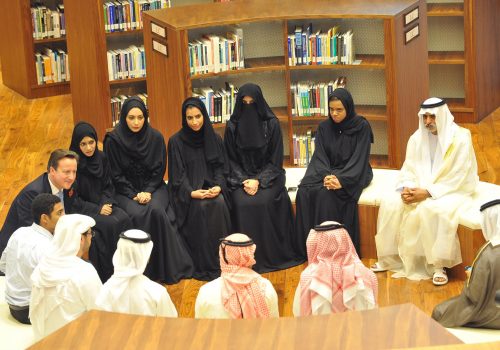
The production of new knowledge is a very complex process and many factors contribute to the low levels of innovation exhibited by the Gulf countries. One factor that plays a role is the structure of tertiary education—particularly PhD programs.

Education Middle East