
WASHINGTON—Now is not the time to hyperventilate over oil—at least not yet.
The United States should first focus on what matters most: ensuring Iran does not emerge from the conflict unfolding in the Middle East with a viable nuclear weapons program, much less nuclear weapons capability. Energy prices are an important but manageable secondary variable.
Over the period of US operations in Iraq between 2003 and 2011, crude oil averaged roughly $72 per barrel. Adjusted to today’s dollars, that is north of $100 per barrel. The global economy operated and grew under far higher sustained price levels than what is anticipated in the wake of joint airstrikes by the United States and Israel on Iran as part of Operation Epic Fury.
Energy analysts are now forecasting the potential for a 5–15 percent increase in the prices of crude oil when markets open on Sunday evening, placing international benchmark Brent crude oil in a range of $76-$84 per barrel. This would mean that even with a material disruption to global oil flows, prices are projected to remain $20 per barrel below the inflation-adjusted average during the Iraq War.
The immediate price shock, therefore, is not the primary threat to achieving a nuclear-free Iran. Instead, it’s duration and scale.
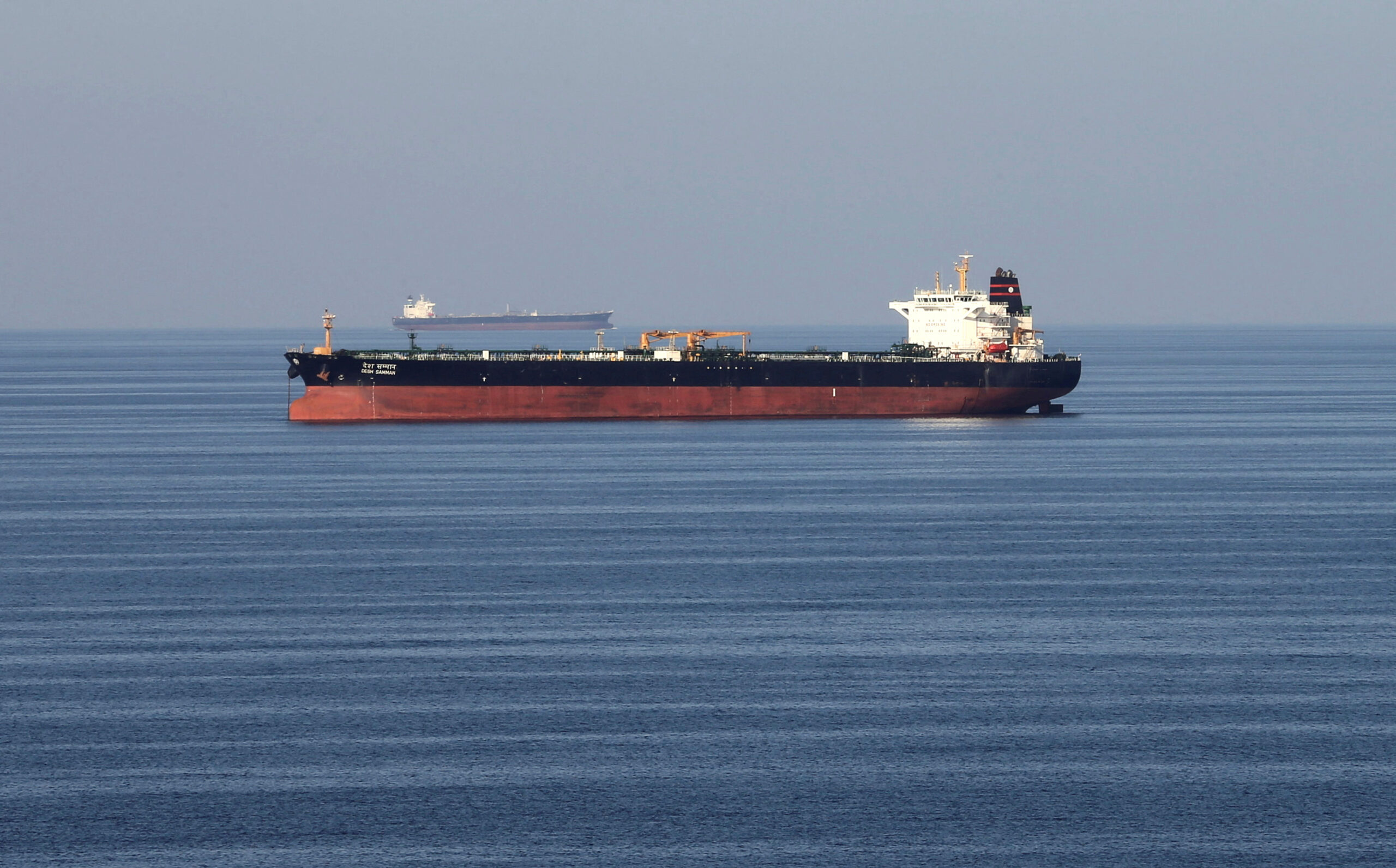
Insurers—not Tehran—have temporarily halted coverage for vessels transiting the chokepoint through which roughly 20 percent of global petroleum and liquefied natural gas is shipped. What will determine the economic pressure on the military campaign against Iran is whether maritime traffic through the Strait of Hormuz resumes within days or remains suspended for months.
A sustained disruption would not only test energy markets. It would also test political tolerance in Washington and among allied governments that are already sensitive to increasing pressures around energy affordability over the past year. As the price shocks of the 1970s demonstrated, higher prices can quickly translate into domestic political constraints.
Importantly, regional infrastructure remains intact. Supply has not been structurally impaired and oil-market fundamentals, which prior to Operation Epic Fury supported supply outpacing demand in 2026, remain strong. Major producers, particularly Saudi Arabia, routinely preposition weeks of inventory around the globe to cushion disruptions. This was clear after the drone attacks on Saudi Arabia’s Abqaiq oil field in 2019, and markets should expect similar shock absorption now. Strategic petroleum reserves exist precisely for moments of acute tension like this.
Markets can tolerate a spike. What they cannot tolerate is prolonged uncertainty over trade flows through the Strait of Hormuz. That is the strategic dilemma confronting Washington.
To secure the time necessary to neutralize Iran’s nuclear program, maritime flows must resume. Otherwise, rising price pressure could force a premature end to the conflict before its central objective is achieved.