Featured commentary & analysis

Podcast series

Listen to the latest episode of the China-MENA podcast, featuring conversations with academics, government leaders, and the policy community on China’s role in the Middle East.

Programs
Gulf Security Task Force

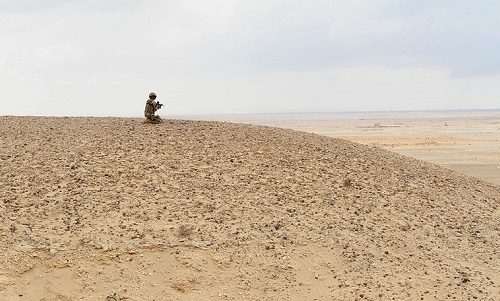
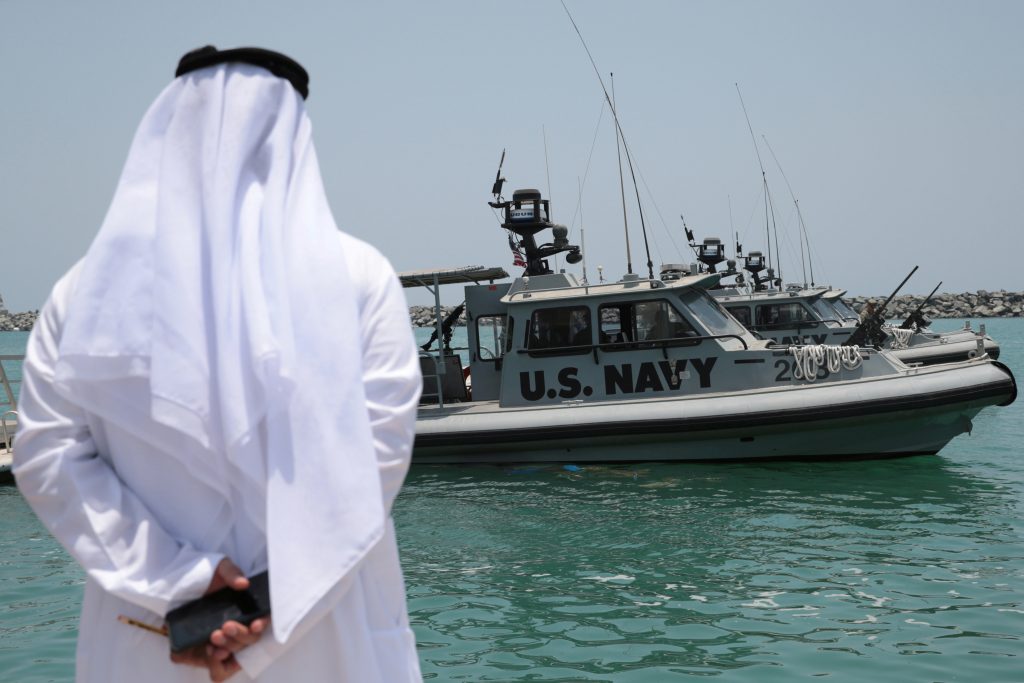
The Gulf Security Task Force is revisiting the question of how to best protect US interests in this sensitive, always relevant region. Our goal is to provide US decision-makers with an updated, fact-based strategy for protecting US interests in the air and maritime domain from the Persian Gulf to the Red Sea, and ensuring Gulf partners’ ability to assume this responsibility, with the assistance and leadership of the United States.

Learn more about the Middle East programs

Middle East Programs

Working with our allies and partners in Europe and the wider Middle East to protect US interests, build peace and security, and unlock the human potential of the region.

Content

Event Recap

Mar 11, 2014

Three Years On, Arab Transitions Remain Incomplete

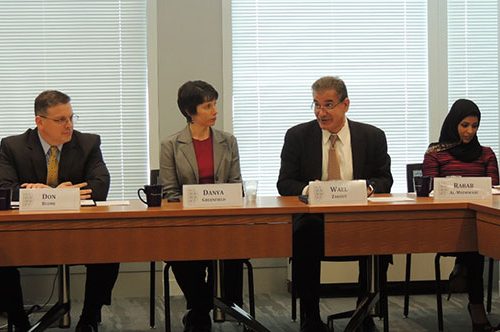
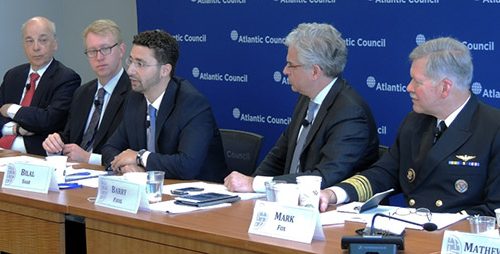
Three years after a wave of popular uprisings swept aside long-standing regimes in Egypt, Tunisia, Libya, and Yemen, the future of the region remains uncertain. The Rafik Hariri Center for the Middle East held a panel discussion on March 11th to discuss the current state of the Arab transitions to look ahead at economic and […]

Libya North Africa

In the News

Mar 11, 2014

Saab on Gulf Relations

By Bilal Saab

Scowcroft Center Senior Fellow Bilal Saab is quoted by The National on how tensions within the Gulf Cooperation Council are affecting security interests in the United States:

International Organizations Politics & Diplomacy

MENASource

Mar 10, 2014

YemenSource | Constitution Drafting Committee Established

By YemenSource

On Sunday, President Abdrabbo Mansour Hadi established the long-awaited committee mandated to draft the country’s new constitution.

Yemen

MENASource

Mar 7, 2014

The Gulf and Geoeconomics

By Mohsin Khan

The sizable financing provided by the Gulf countries, in particular Kuwait, Qatar, Saudi Arabia, and the United Arab Emirates (UAE) to Egypt since the popular uprising in 2011 led many observers to conclude that Gulf states have started using their vast resources to shape the region, direct political developments, and mold strategic relationships; in other […]

International Organizations Politics & Diplomacy

Issue Brief

Mar 7, 2014

Breaking taboos: Youth activism in the Gulf States

By Kristin Diwan

In a new Atlantic Council issue brief, Breaking Taboos: Youth Activism in the Gulf States, Visiting Senior Fellow Kristin Diwan contends that youth activists are bringing new forms of civic engagement and political contestation to the Arab states in the Gulf region.  Evaluating  youth movements in Saudi Arabia, Kuwait, and Bahrain, Diwan contends that although […]

Saudi Arabia The Gulf

New Atlanticist

Mar 6, 2014

Break Up in the Gulf

By Bilal Y. Saab

On March 5, Saudi Arabia, the United Arab Emirates (UAE), and Bahrain announced that they had withdrawn their ambassadors from Qatar, claiming that Doha had been violating a clause in the Gulf Cooperation Council charter banning interference in the domestic affairs of fellow GCC members. The decision, unprecedented in the GCC’s history, hints at significant […]

International Organizations Politics & Diplomacy

Uncategorized

Mar 6, 2014

Saab: Breakup in the Gulf

By Bilal Saab

Bilal Saab, senior fellow for the Brent Scowcroft Center on International Security, writes in Foreign Affairs on the rift emerging between Qatar and the rest of the GCC countries:

Saudi Arabia The Gulf

MENASource

Feb 28, 2014

Not the Saudi Arabia You Hear About

By MENASource

More than 100,000 young Saudis are currently studying in the United States, and this population is seen by many as a positive force that will inevitably catalyze change in conservative Saudi society. 

Saudi Arabia

In the News

Feb 26, 2014

Saab on Saudi Arabia

By Bilal Saab

Scowcroft Center Senior Fellow Bilal Saab is quoted by the Associated Press on Saudi Arabia’s concerns as militants assisting the Syria opposition return home. 

Saudi Arabia

MENASource

Feb 25, 2014

Reform or Insurgency in Bahrain

By Adam Simpson

The use of more violent means of confrontation in Bahrain is becoming more prevalent—at least on the part of a minority of anti-regime groups—as state security forces continue to use repressive measures against dissidents, employing beatings, tear gas, and birdshot on otherwise peaceful demonstrators.

The Gulf

Experts

Events