Atlantic Council blogs

Atlantic Council blogs provide short-form analyses from Council experts and a wider community of global voices on the world’s most important news stories.
View all
of our blogs
Subscribe to our
newsletters

Latest from across our blogs

New Atlanticist

Apr 2, 2013

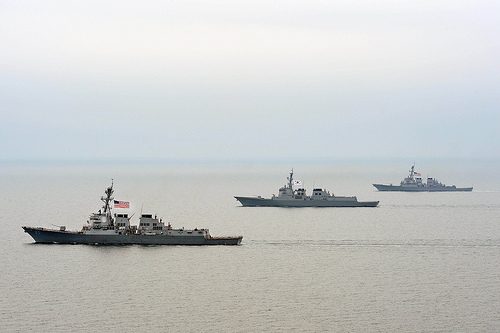
Why Less Is More on the Korean Peninsula

By Rajan Menon

On February 12, North Korea conducted its third nuclear weapons test. The UN tightened existing economic sanctions in response. Since then, the Korean peninsula has become an even more dangerous place than usual. Now that’s saying a lot. There’s no place on earth that, per square mile, contains more soldiers and armaments.

East Asia National Security

NATOSource

Apr 2, 2013

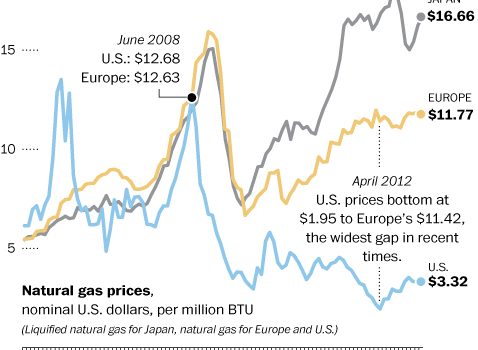
European industry flocks to U.S. to take advantage of cheaper gas

By Michael Birnbaum, Washington Post

From Michael Birnbaum, Washington Post:  The sprawling chemical plant in this city along the Rhine River has been a jewel of Germany’s manufacturing-led economy for more than a century. But the plunging price of natural gas in the United States has European companies setting sail across the Atlantic to stay competitive.

Energy & Environment

NATOSource

Apr 2, 2013

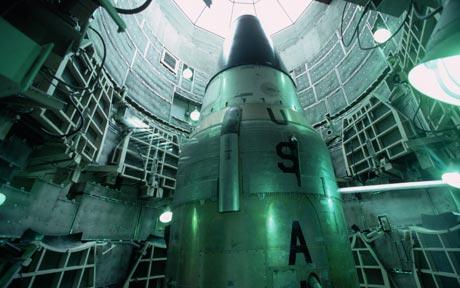
U.S., Russia, and Britain preparing to spend half a trillion dollars on modernizing their nuclear arsenals

By Des Browne, Wolfgang Ischinger, Igor Ivanov, and Sam Nunn, International Herald Tribune

From Des Browne, Wolfgang Ischinger, Igor Ivanov, and Sam Nunn, International Herald Tribune:  [T]oday’s leaders should move decisively and permanently toward a new security strategy, one that considers offensive and defensive military forces, nuclear and conventional weapons, and cybersecurity and space.

United Kingdom

New Atlanticist

Apr 2, 2013

Drone Policy Hurts US Image in Yemen

By Danya Greenfield and David Kramer

Most news out of the Middle East these days is dispiriting: the devastating civil war in Syria, the autocratic nature of Muslim Brotherhood rule in Egypt, continued militia activity in Libya, a coalition collapse in Tunisia. Less discussed, and surprisingly positive, is the political situation in Yemen.

Drones Technology & Innovation

NATOSource

Apr 2, 2013

Has France ‘made the right choices in terms of leaders and policies in recent decades?’

By Dominique Moisi, Project Syndicate

From Dominique Moisi, Project Syndicate:  [German Chancellor Angela] Merkel has changed profoundly while in office. Five years ago, she did not exude the natural authority that she now possesses.

NATOSource

Apr 2, 2013

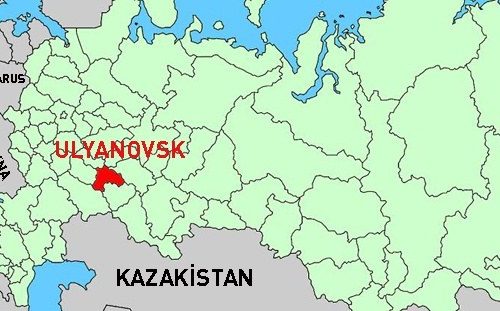
NATO seeks cheaper alternative to Russian transport hub – official

By RT

MENASource

Apr 2, 2013

Top News: US Blasts Arrest Warrant Against Egypt Satirist Bassem Youssef

By Egypt Source

The US State Department says arrest warrants and the investigation of a popular Egyptian satirist and other critics of Islamist President Mohamed Morsi highlight a "disturbing trend" of growing restrictions on freedom of expression in Egypt.

MENASource

Apr 2, 2013

Fingers, Foreign Elements, and the Former Regime

By Basil El Dabh

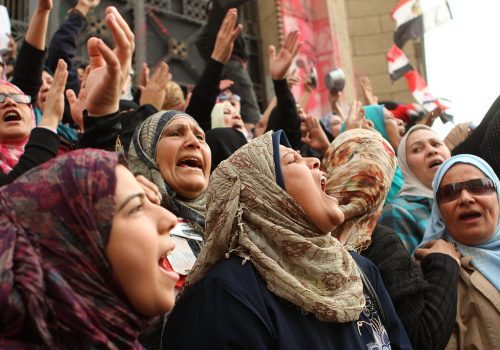
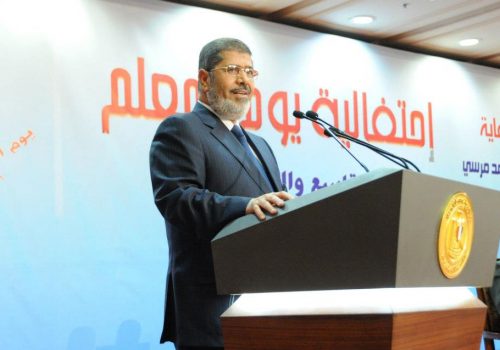
“There is no room for confrontations or mistrust.” This sentence, delivered by president-elect Mohamed Morsi on June 24, 2012 was part of his first speech to the Egyptian people amid a section stressing the importance of “national unity.” Trust was a critical point to highlight moving forward after a contentious election when accusations were lodged […]

NATOSource

Apr 1, 2013

NATO’s role in Obama’s Syria debate

By Adam Entous, Wall Street Journal

From Adam Entous, Wall Street Journal:  The U.S.’s Syria strategy is emblematic of the administration’s policy of limiting Washington’s role as global policeman.

NATOSource

Apr 1, 2013

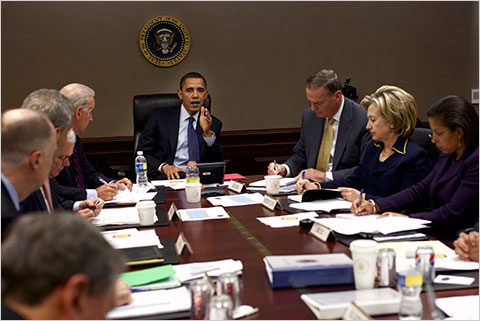
‘Internal divisions, miscalculations and bureaucratic inertia’ in Obama’s Syria policy

By Adam Entous, Wall Street Journal

From Adam Entous, Wall Street Journal:  A reconstruction of months of conversations within the administration—based on interviews with two dozen senior officials in Washington, Europe and the Middle East—suggests that process has been slowed by internal divisions, miscalculations and bureaucratic inertia.