Content

MENASource

Jun 18, 2019

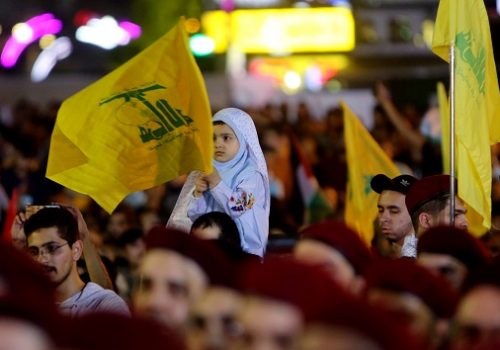
How to counter Iran’s proxies

By Dr. C. Anthony Pfaff

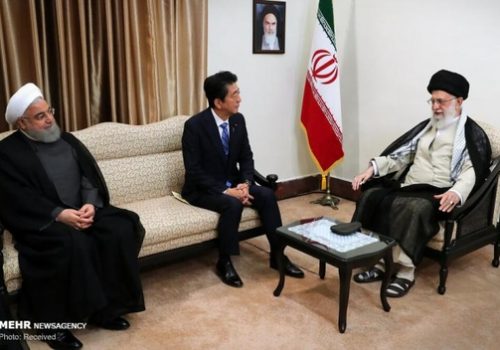
Solutions will emphasize political efforts to continue to isolate Iran from the international community, make dependence on Iranian support less attractive to its proxies, and cultivate partners who can provide the kind of good governance and responsible behavior that serve as a more attractive model than Iran’s divisive practices.

Iran Iraq

AfricaSource

Jun 18, 2019

Mauritania election primer

By Luke Tyburski

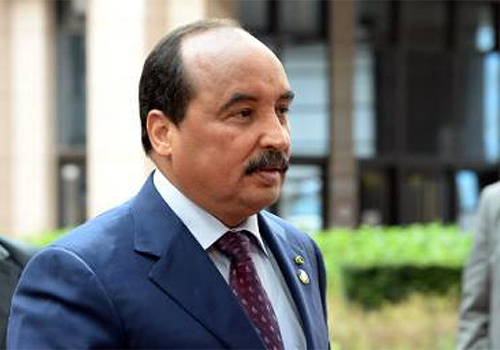
Mauritania’s presidential election on June 22 stands to mark the country’s first democratic transfer of power since independence in 1960. This comes as Mauritanian President Mohamed Ould Abdel Aziz, who assumed control in a 2008 coup d’état, has agreed to step down, abiding by term limits. Aziz’s ruling Union for the Republic (UPR) party maintains […]

Africa Elections

SyriaSource

Jun 18, 2019

Responding to Assad’s violence against Syrian civilians

By Frederic C. Hof

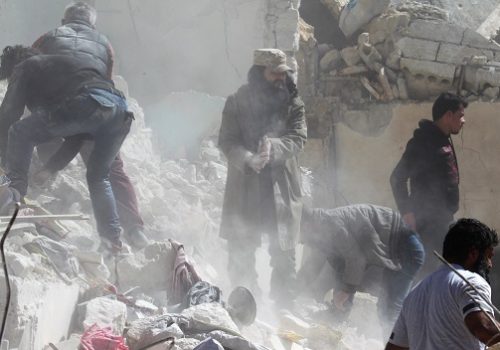
Yet it is not the policy of the United States that violent regime change in Syria be pursued. Political transition in Syria from corruptly violent family rule to a system reflecting inclusive legitimacy and rule of law should proceed through peaceful negotiations in accordance with the applicable United Nations Security Council resolutions. But these negotiations are not possible while the constituency of one negotiating party is subject to terror, murder, and flight.

Syria

New Atlanticist

Jun 18, 2019

A dispatch from Women Deliver: How the private sector is ensuring women are included in more inclusive growth

By Nicole Goldin

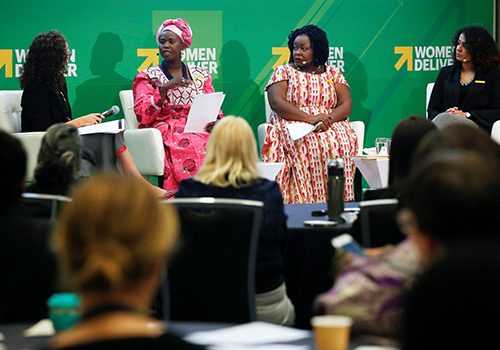
The debate demonstrated how the dialogue on the role of the private sector is shifting: from corporate responsibility to corporate interest and from social impact to bottom line impact—and increasingly both.

Inclusive Growth

IranSource

Jun 18, 2019

Building on past experience, Iran leads the waltz with the US

By Banafsheh Keynoush

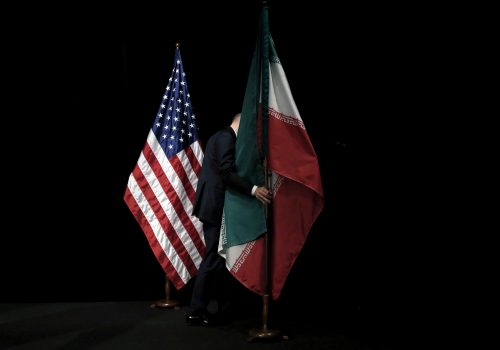
During 2013, Iran seized on a rare opportunity to talk directly with the United States for a new round of nuclear negotiations. European countries speaking at the time to Iran to cap its nuclear program asked the US, which had been part of the nuclear talks since 2006, to join in fresh discussions with Iran.

Iran

New Atlanticist

Jun 17, 2019

Mohammed Morsi, Egypt’s first democratically elected president, dies

By David A. Wemer

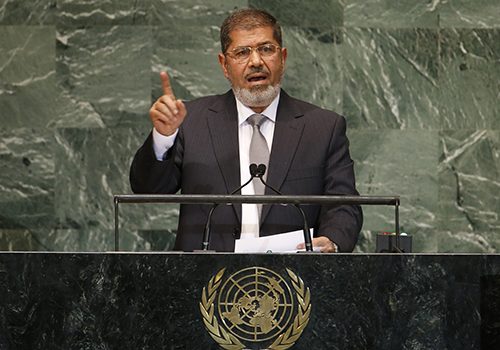
“While Morsi’s death is a single event, its long-term ramifications will be numerous and far-reaching,” said Jasmine M. El-Gamal, a nonresident senior fellow with the Atlantic Council’s Scowcroft Center for Strategy and Security.

North Africa

UkraineAlert

Jun 17, 2019

One month into the Zelenskyy presidency and Ukraine’s still here

By Steven Pifer

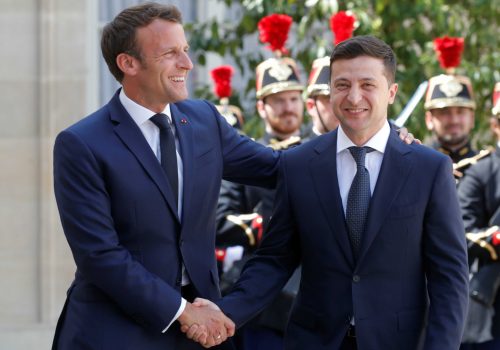
Volodymyr Zelenskyy became Ukraine’s sixth president on May 20. The political neophyte’s election raised a host of questions about lack of governing experience, connections to oligarch Ihor Kolomoisky, the composition of his inner circle, and his priorities once in office. One month into Zelenskyy’s presidency, those questions still require answers, and we have yet to […]
Conflict Corruption

New Atlanticist

Jun 17, 2019

Is the Iran nuclear deal on its last legs?

By David A. Wemer

Matthew Kroenig, deputy director of the Atlantic Council’s Scowcroft Center for Strategy and Security said that the decision “means Iran will begin moving closer to a nuclear weapons capability,” which—while expected— “is still highly concerning.”

Iran Nuclear Nonproliferation

UkraineAlert

Jun 17, 2019

What Zelenskyy should say in Berlin

By Diane Francis

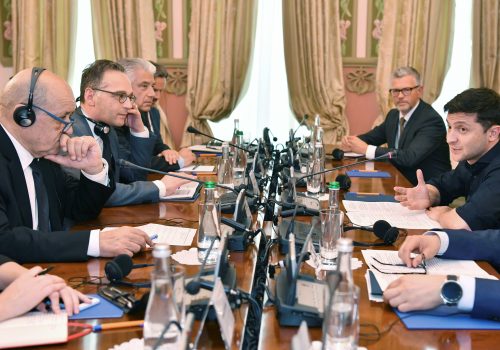
Ukraine’s independence from the Soviet Union broke up the empire and its people have paid a monstrous price for generations. It’s time that Europe finally recognized its responsibility to this worthy nation, yearning to be free from Russian tyranny.

Energy Markets & Governance Eurozone

UkraineAlert

Jun 17, 2019

Why are donors afraid of the prosecutor’s office?

By Yuri Polakiwsky

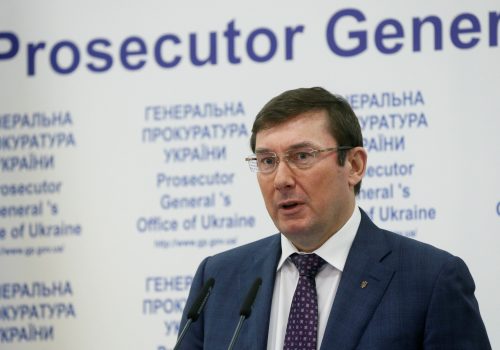
It’s no secret that the Prosecutor General’s Office of Ukraine has failed to be transformed in the post-Maidan period. But who is to blame? A high-level diplomat representing a G-7 country recently lamented that Ukraine’s major western partners deserve a large share of the blame for not providing direct assistance to the office. “You don’t […]

Corruption Elections