The Atlantic Council promotes constructive leadership and engagement in international affairs based on the Atlantic Community’s central role in meeting global challenges. The Council provides an essential forum for navigating the dramatic economic and political changes defining the twenty-first century by informing and galvanizing its uniquely influential network of global leaders. Through the papers we write, the ideas we generate, and the communities we build, the Council shapes policy choices and strategies to create a more secure and prosperous world.
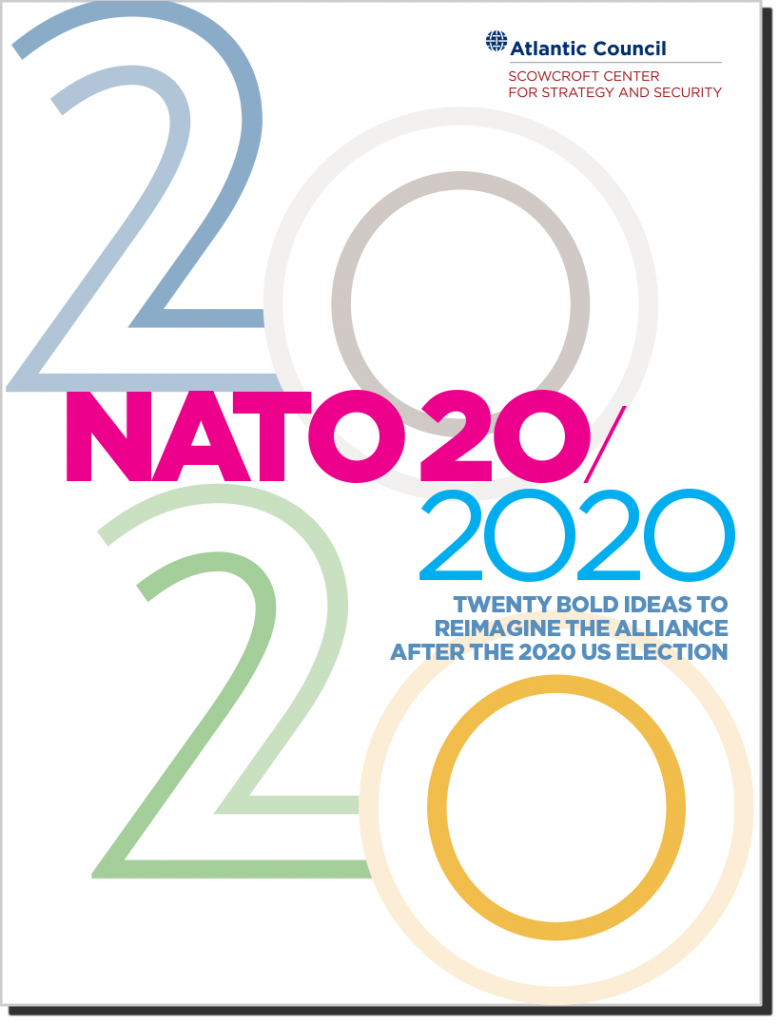
Twenty bold ideas to reimagine the Alliance after the 2020 US election
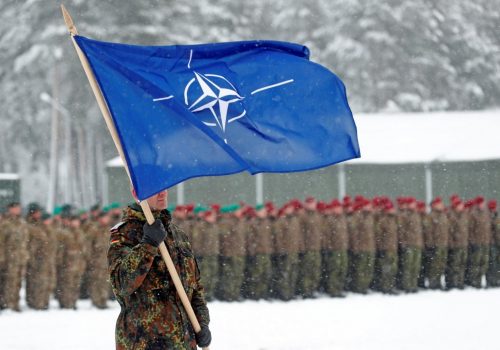
More than two decades after NATO’s inspired decision to invite former adversaries to join its ranks, the Alliance is in need of equally captivating ideas. The essays in this volume are intended to push the Alliance to think boldly and creatively in the service of recapturing the public’s imagination.
Learn more about the Atlantic Council’s insights & impact through these stories of how our regional and thematic programs are making a difference not only in shaping how we view global issues but also in shaping their outcome.
In the News
Dec 17, 2020
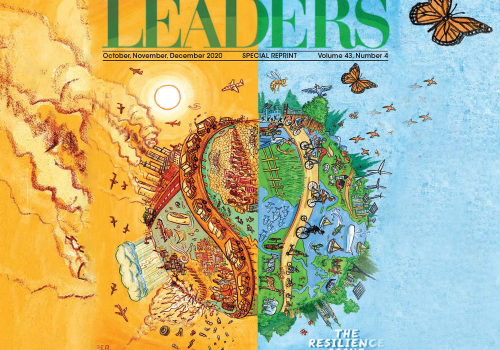
The Adrienne Arsht-Rockefeller Foundation Resilience Center partners with LEADERS Magazine to dedicate an entire issue to resilience
For its Fall/Winter issue of 2020, LEADERS Magazine, asked the Adrienne Arsht-Rockefeller Foundation Resilience Center to produce an issue dedicated to resilience. The Resilience Issue assembles a broad range of global thought leaders and experts who are currently tackling the challenges and crises facing the world from different perspectives.
Insights & Impact
Mar 3, 2020
Peering Around the Corner: The Geopolitics of Coronavirus
By Atlantic Council
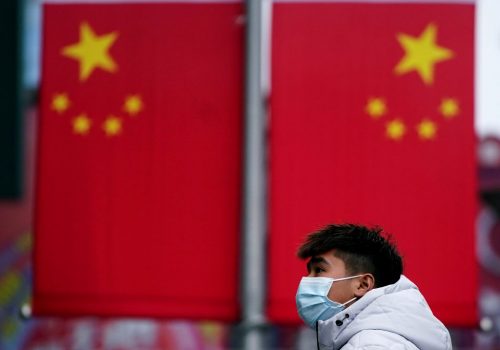
On February 11, 2020 the DFRLab hosted “Peering Around the Corner: The Geopolitics of Coronavirus,” a timely series of panels on the potential geopolitical and economic consequences of Coronavirus, and how misinformation about the crisis may influence its impact.
US energy priorities abroad: A conversation with US Secretary of Energy Dan Brouillette
By Global Energy Center
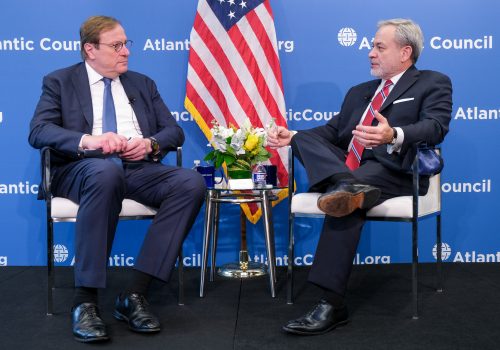
On Friday, February 7, 2020, the Atlantic Council hosted newly appointed US Secretary of Energy Dan Brouillette for a public address and moderated discussion about US government energy priorities abroad.
Prisoner releases are welcome news but talk of a Belarus thaw is premature
By Hanna Liubakova
The freeing of 123 political prisoners in Belarus last week is encouraging news but should not be interpreted as an indication of more fundamental change, writes Hanna Liubakova.
The NDAA includes the best legislative support from Congress that Ukraine has received all year. At the same time, it also underscores the dramatic reduction in overall US support for Ukraine during 2025, writes Doug Klain.
Democracy and stability in Africa: Why US leadership still matters
By Mason Ingram, Alysson Oakley, and Jack Higgins
This issue brief is the fifth in the Freedom and Prosperity Center’s “Future of democracy assistance” series, which analyzes the many complex challenges to democracy around the world—and highlights actionable policies that promote democratic governance.The near- and long-term interests of African societies and key US stakeholders are bolstered by the advancement of democratic, accountable, and stable governance on the continent. A robust democracy assistance strategy in Africa is in line with long-standing US values that underpin America’s reputation and image on the continent, and is also instrumental to current US objectives.
Engaging generative artificial intelligence in African development
By William Yancey Brown
From classrooms to farming communities, generative artificial intelligence holds great potential for Africa. The question is whether its promise of abundance will reach everyone—or only those already well-connected.
Beijing pressures Taiwan’s remaining diplomatic partners. Here’s what the US should do in response
By Kitsch Liao, Nik Foster, Santiago Villa
Taiwan’s shrinking circle of diplomatic partners plays a crucial role in deterring Chinese coercion, and the United States needs a more targeted strategy to help preserve this support and maintain cross-strait stability.
ERROR MESSAGE HEADINGERROR MESSAGE SUBHEADINGERROR MESSAGE CONTENTERROR MESSAGE INFO
Oops...
It looks like we're having a technical issue.
If refreshing the page doesn't resolve the issue you could try clearing the sites browser cache.
We use cookies to ensure that we give you the best experience on our website. If you continue to use this site we will assume that you are happy with it.