Terrorism

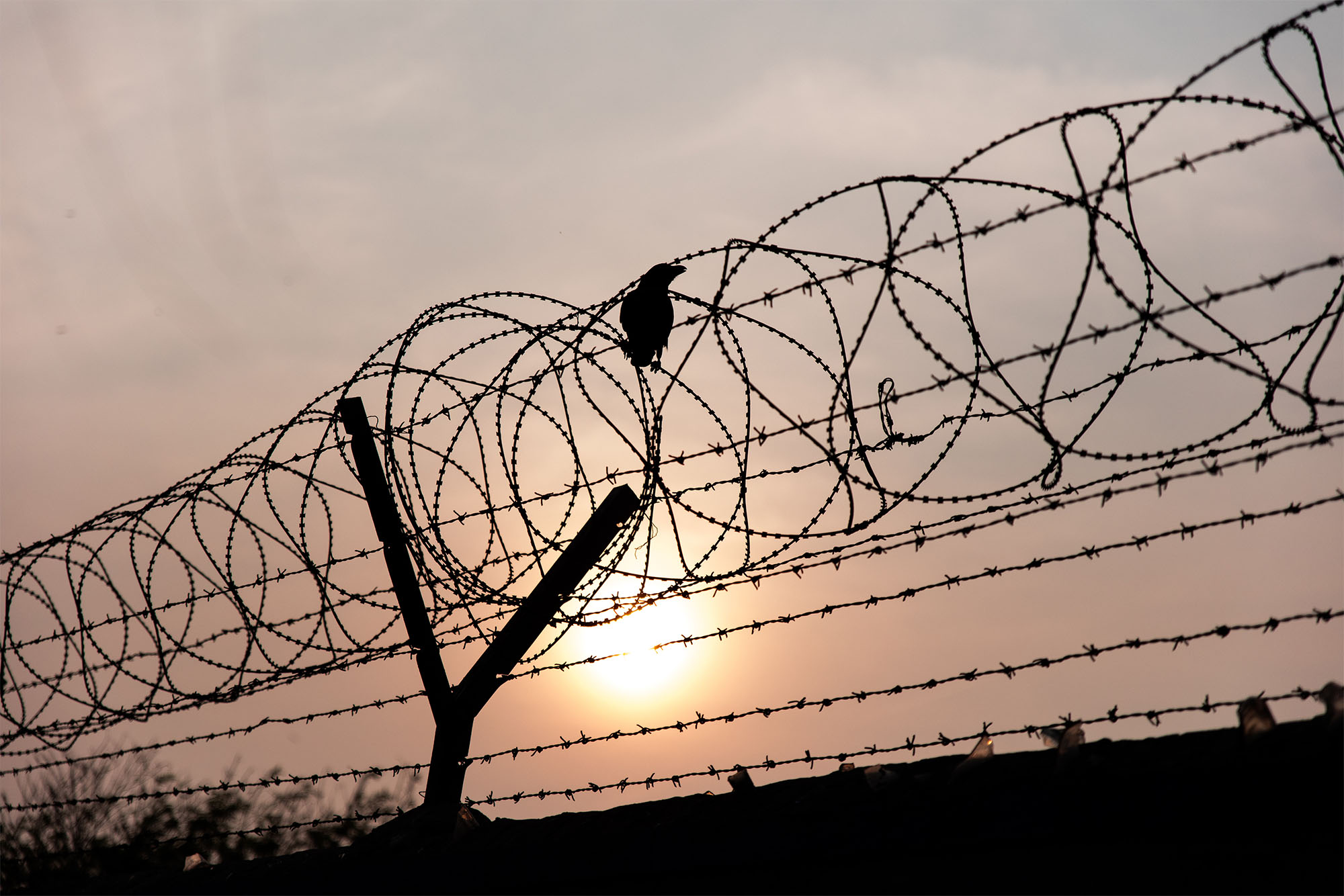
The use of indiscriminate violence against civilians and soft targets causes immense human suffering, sows fear within societies, damages public trust in authorities, and can produce extremist responses. Whether motivated by political, religious, economic, or social grievances, the use of terror by state-aligned and non-state actors poses an elevated threat for societies around the world as it can be perpetuated by both sophisticated international networks and single “lone-wolf” assailants. To prevent terrorism and limit its effects, governments need to adopt an array of solutions from dismantling terrorist networks to addressing the root grievances which fuel terrorist ideology.

Content
In the News

Feb 4, 2020

Aman in Responsible Statecraft: How U.S.-Iran Tensions Are Impacting South Asia

By Atlantic Council

Indo-Pacific Iran

In the News

Feb 4, 2020

Nawaz in The Indian Express: Shuja Nawaz’s new book explores differences between Pakistan army and radical elements

By Atlantic Council

Pakistan Political Reform

New Atlanticist

Feb 3, 2020

US targets al-Qaeda leader: What it means for Yemen and the US counterterrorism mission

By Masoud Mostajabi

"When the United States is able to identify a terrorist abroad who threatens Americans, in the vast majority of cases the solution is relatively simple," William Wechsler says. "Simply reach out through law enforcement or intelligence channels and ask the local government to arrest them. Unfortunately, there remain a few places in the world in which the host governments have no practical ability to do so—indeed, in some of these places legitimate government authorities face a high risk of being killed if they tried. Yemen is one of these places."

Conflict Terrorism

UkraineAlert

Jan 9, 2020

Prisoner exchange lifts the veil on Russia’s hybrid war against Ukraine

By Adrian Karatnycky

Moscow's insistence on the inclusion of figures with no apparent relationship to the conflict in eastern Ukraine during a recent prisoner exchange has exposed the nationwide scale of Russia's hybrid hostilities against Ukraine.

Conflict Non-Traditional Threats

IranSource

Jan 6, 2020

Twenty-eight years ago Hezbollah’s leader was assassinated, and Israel paid a price

By Nicholas Blanford

Soleimani's death brings to mind memories of an earlier aerial assassination in south Lebanon during February 1992. The aftermath of that deadly attack twenty-eight years ago may provide pointers for what might unfold in the wake of Soleimani’s violent death—and possibly remind us of the risk of unintended consequences.

Iran Middle East

In the News

Jan 3, 2020

Blanford quoted in the Washington post on Hezbollah’s relationship with Iran

By Atlantic Council

Iran Middle East

New Atlanticist

Jan 3, 2020

Soleimani killing threatens to break open US-Iranian conflict

By David A. Wemer

The assassination of a top Iranian military official in Iraq on January 2 is the most dramatic step yet in the ongoing escalation between the United States and Iran in the Middle East.

Conflict Iran

Event Recap

Dec 16, 2019

War Words in 2019: A stage play about the men and women who fought in Iraq and Afghanistan

By Steven Grundman and Christian Trotti

Walk with us...

Afghanistan Conflict

In the News

Dec 16, 2019

Hudson quoted in The Hill on Sudan’s bid for US sanction relief

By Atlantic Council

Africa Politics & Diplomacy

In the News

Dec 14, 2019

Ahmad in The Hill: America’s ‘catastrophic success’ in Afghanistan

By Atlantic Council

Afghanistan Crisis Management

Experts