Recommended Reading
Events
All Content
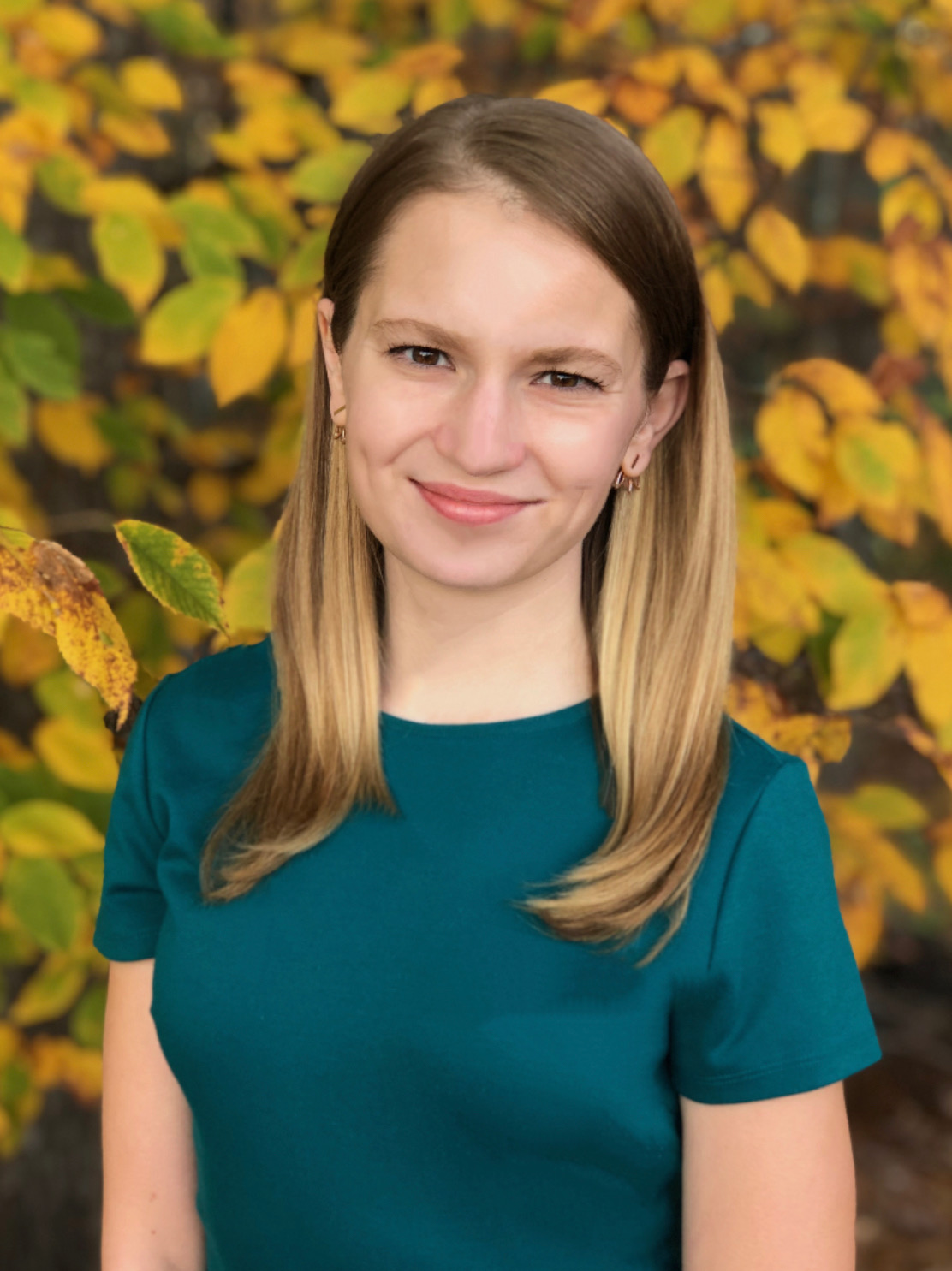
Celeste Kmiotek is a senior staff lawyer for the Strategic Litigation Project at the Atlantic Council. The Strategic Litigation Project (SLP) works on prevention and accountability efforts for atrocity crimes, human rights violations, terrorism, and corruption offenses around the world. Kmiotek’s work focused on corporate accountability and addressing the financial aspects of atrocities such as the conflicts in Ukraine and Syria.
At the SLP, Kmiotek is leading a project pursuing accountability for the facilitators of Russia’s international crimes in Ukraine. As part of an ongoing look into military cooperation between Iran and Russia, she investigated the role of Islamic Republic of Iran and Russian officials in procuring drones for the Russian military and submitted a legal intervention regarding the officials’ liability to an international mechanism. Kmiotek also works on the SLP’s efforts with Syrian civil society to develop an intergovernmental Syria Victims Fund. For this, she collaborated with partners and experts to scope recent or potential fines, penalties, and forfeitures linked to international violations in Syria, and to identify and pursue paths to repurpose them for victims and survivors. Kmiotek has also worked on matters related to transnational repression and hostage-taking, and has previously worked on legal teams for hostages taken by governments. She often published and spoke on issues related to accountability, including financial accountability and states’ accessory liability for violations of international law.
Kmiotek previously worked as a legal fellow at REDRESS, focusing on their financial accountability portfolio. Her other past experience includes working on U.S. civil litigation against former government officials for extrajudicial killings, an amicus curiae brief in a U.S. case against a corporation for financing human rights abuses, and appeals in the Office of the Co-Prosecutors at the Extraordinary Chambers in the Courts of Cambodia. Kmiotek holds a JD from Harvard Law School and a BA in English and journalism, with a French minor, from Fordham University.