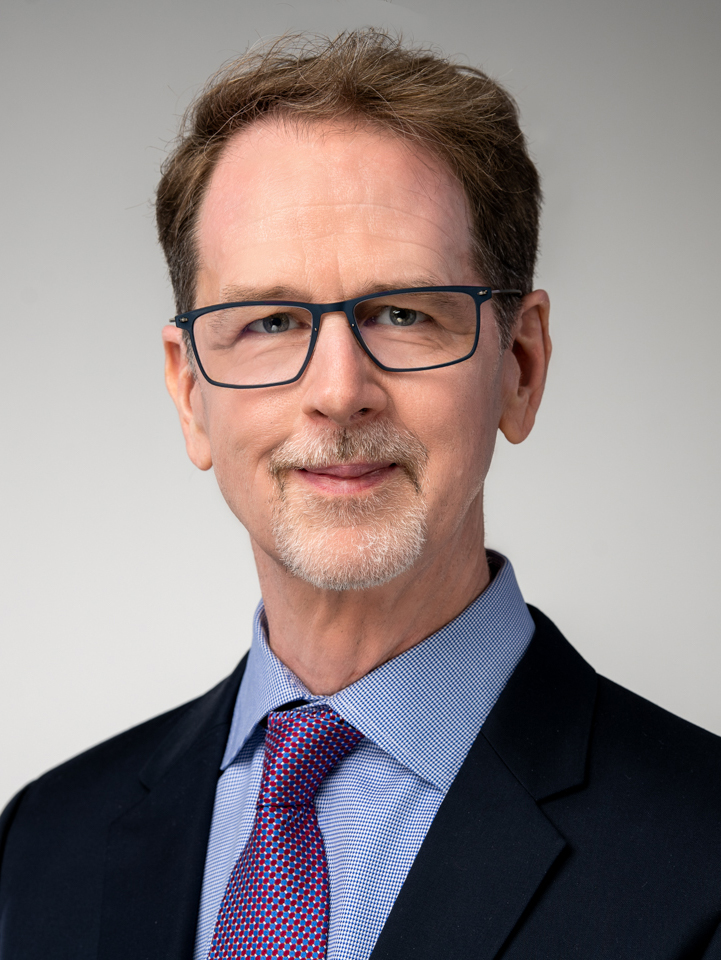

Peter Engelke is a senior fellow with the Atlantic Council’s Scowcroft Center for Strategy and Security and the Global Energy Center, and he is also an executive fellow at the World Economic Forum.
At the Atlantic Council, Engelke is the creator of the Council’s most widely read long-form publication series, Global Foresight. His diverse work portfolio spans strategic foresight; geopolitics, diplomacy, and international relations; climate change and Earth systems; food, water, and energy security; emerging and disruptive technologies and tech-based innovation ecosystems; and demographics and urbanization, among other subjects. Engelke’s work has appeared or featured in The Washington Post, Los Angeles Times, Financial Times, NBC News, CBS News, The Hill, The National Interest, Citiscope, Meeting of the Minds, Inkstick, the World Economic Forum, and other outlets.
Previously, Engelke was on the adjunct faculty at Georgetown University’s School of Continuing Studies, where he received the Tropaia Outstanding Faculty Award; a member of the World Economic Forum’s Global Future Council on Complex Risks; an executive-in-residence at the Geneva Centre for Security Policy; a Bosch fellow with the Robert Bosch Foundation in Stuttgart, Germany; and a visiting fellow at the Stimson Center in Washington. He was also a frequent lecturer at the US Department of State’s Foreign Service Institute.
Engelke received his PhD in history from Georgetown University and master’s degrees from Georgetown’s Walsh School of Foreign Service (German and European studies), the University of Maryland (public policy), and Indiana University (political science). Engelke has co-authored two books: The Great Acceleration, a history of the world since 1945, and Health and Community Design, a study of public health and urban form.