The US needs a cybersecurity roadmap
A fundamental approach of the Trump administration is ensuring and enhancing the defense of the United States homeland. Border security has accordingly been prioritized, and a “Golden Dome” missile defense has been proposed. But equivalent to the challenges of the border and of missile defense is the defense of the information and operational technology systems upon which the national security, economy, and public safety of the United States depend. This report focuses on operations and its companion report focuses on technology and architectures; together they identify the challenges facing the United States and describe a proposed national cybersecurity strategy that encompasses key roles for government and for the private sector.
A national cybersecurity strategy will require an operational road map for offensive and defensive campaigning and significantly enhanced resilience for key critical infrastructures built upon the development and adoption of safe coding and the implementation of zero trust architectures. Establishment of such capabilities will provide the president and the national leadership with the necessary capabilities to deter and defeat nation-state and criminal activities in cyberspace.
About the authors
Franklin D. Kramer is a distinguished fellow and board director at the Atlantic Council. Kramer has served as a senior political appointee in two administrations, including as assistant secretary of defense for international security affairs.
Robert J. Butler serves as the Managing Director for Cyber Strategies LLC.
Melanie J. Teplinsky is a cyber law and policy expert with over thirty years of experience spanning the private sector, government, and academia. She is an adjunct professor at American University, Washington College of Law (WCL); a senior fellow in the Technology, Law and Security Program at WCL; and a faculty fellow at American University’s Internet Governance Laboratory.
related reading


Explore the programs

The Atlantic Council Technology Programs comprises five existing efforts—the Digital Forensic Research Lab (DFRLab), the GeoTech Center, the Cyber Statecraft Initiative, the Democracy + Tech Initiative, and the Capacity Building Initiative. These operations work together to address the geopolitical implications of technology and provide policymakers and global stakeholders necessary research, insights, and convenings to address challenges around global technology and ensure its responsible advancement.
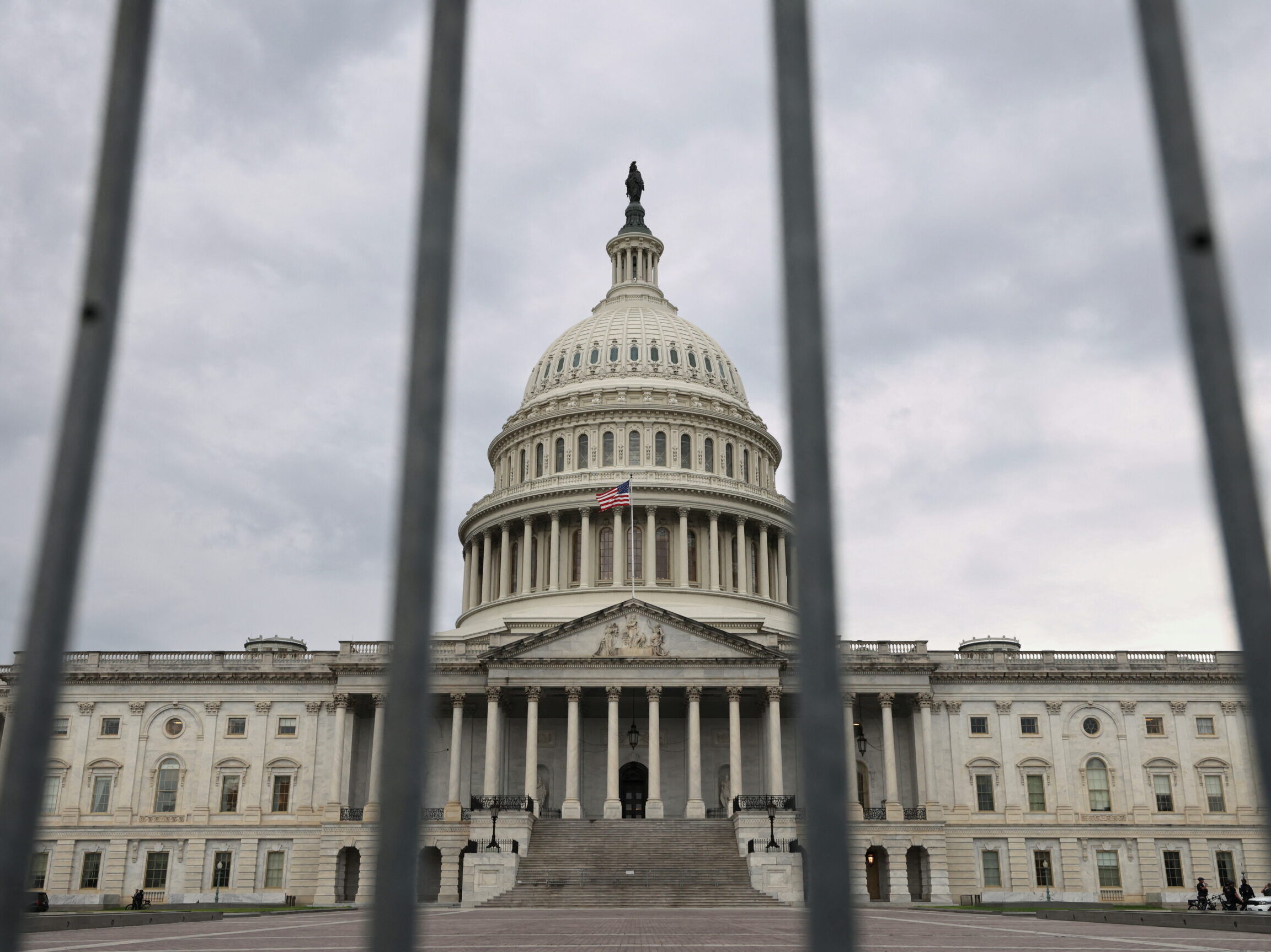
Image: The US Capitol is seen through security fencing on Capitol Hill in Washington, DC, US, July 2, 2025. REUTERS/Kevin Lamarque