Elections
Iran
Nuclear Deterrence
Nuclear Nonproliferation
Politics & Diplomacy
Security & Defense
Security Partnerships
United States and Canada
FAST THINKING: Iran sends a message
JUST IN
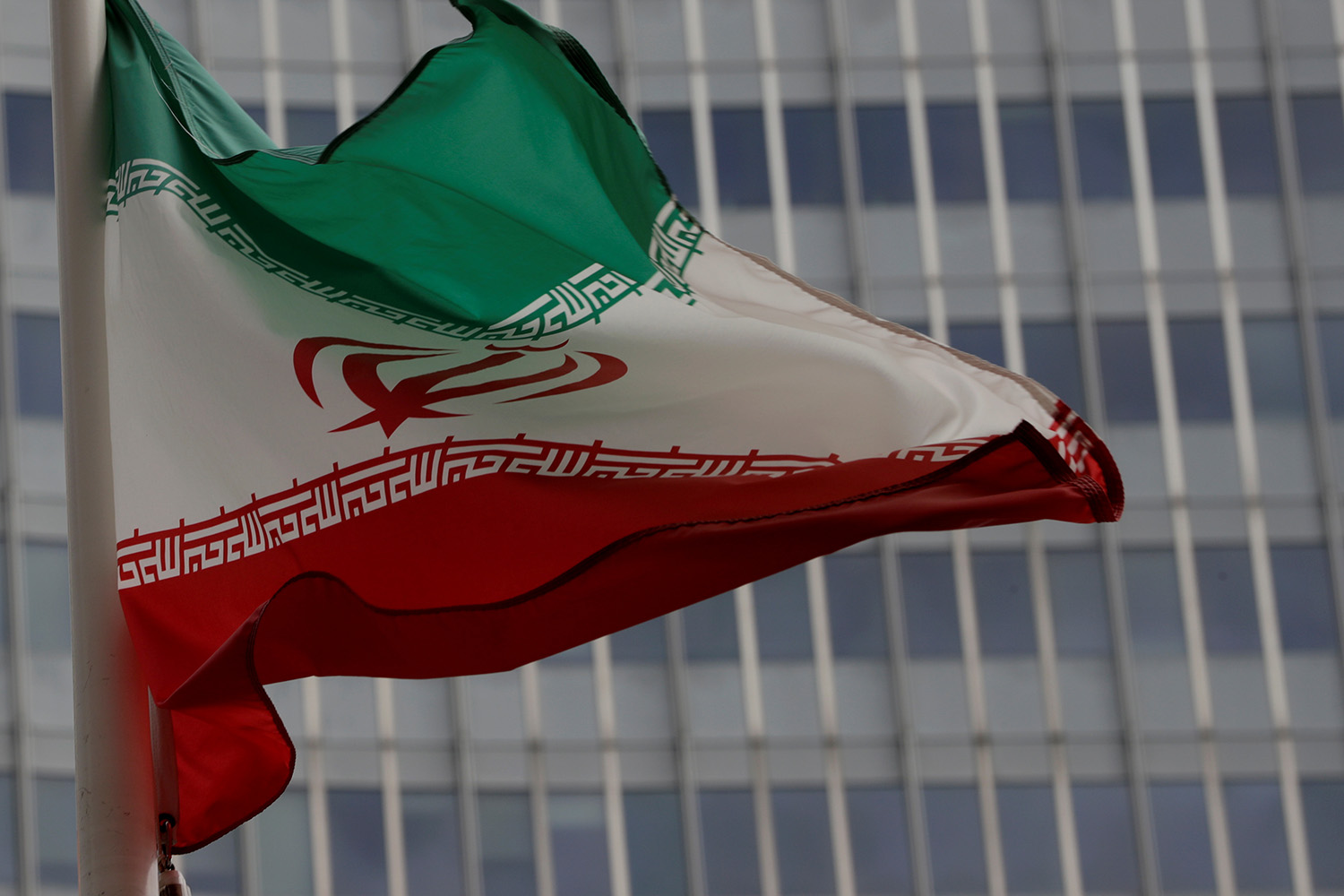
Now we know how Iran will respond to the assassination of its top nuclear scientist: with an ultimatum to the Biden administration. Tehran enacted a law today to immediately ramp up uranium enrichment—and to expel international nuclear inspectors if US sanctions aren’t lifted by early February, right after Joe Biden takes office. What does the move mean?
TODAY’S EXPERT REACTION COURTESY OF
- Barbara Slavin (@BarbaraSlavin1):Director of the Future of Iran Initiative
What to make of Iran’s response
- Reports have suggested that Israel was behind the assassination (the Israeli government itself has not commented on these allegations), but Barbara also sees Iran’s announcement as a reaction to the Trump administration’s policies. “The Iranians have responded in a non-kinetic way to two years of mounting US sanctions and months of Israeli provocations,” she tells us.
- But the move may ultimately be more aimed at the incoming Biden administration than at Trump. “It is a way to pressure Biden to keep his promise to return promptly to the [Iran nuclear deal, or JCPOA] if Iran resumes full compliance,” Barbara says.
Where there’s hope for compromise
- Barbara notes that the move is “less provocative” than other possible Iranian responses to the assassination, such as “an attack on Israelis in Dubai or on US troops in Iraq.” Because of that, she says, “I remain optimistic that US-Iran diplomacy can be revived. The Europeans can help to bridge the gap until Biden’s inauguration.”
- But she adds a warning: If it was indeed involved in the killing of Mohsen Fakhrizadeh, “Israel has to cool it with its assassinations and sabotage. The outcome of Trump’s maximum pressure is clear: The Middle East is safer with the JCPOA than without.”
Related Reading
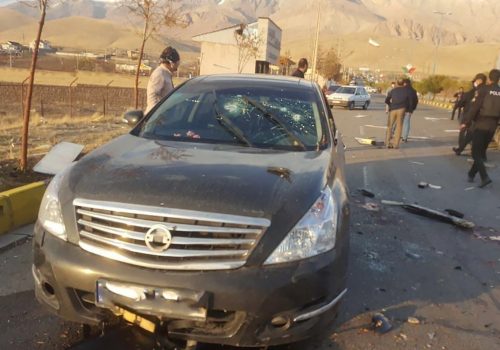
Image: REUTERS/Leonhard Foeger