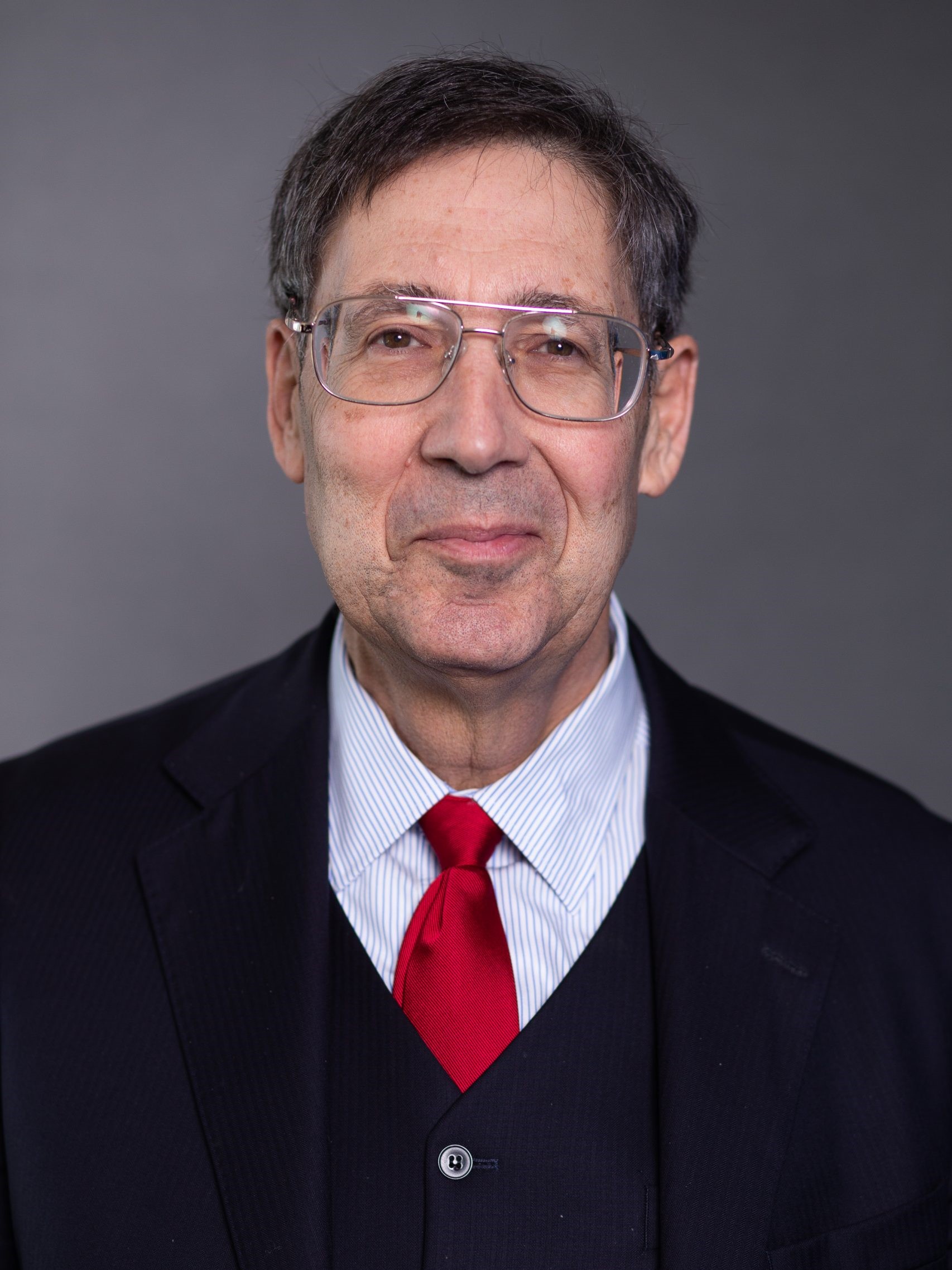

Ambassador John E. Herbst is senior director of the Atlantic Council’s Eurasia Center and served for thirty-one years as a foreign service officer in the US Department of State, retiring at the rank of career minister. He was US ambassador to Ukraine from 2003 to 2006, when he worked to enhance US-Ukrainian relations, help ensure the conduct of a fair Ukrainian presidential election, and prevent violence during the Orange Revolution. Prior to that, he was ambassador to Uzbekistan (2000-03), where he played a critical role in the establishment of an American base to help conduct Operation Enduring Freedom in Afghanistan. He also promoted improved US-Uzbek relations, in part by encouraging the government in Tashkent to improve its human rights record.
In his last four years at the State Department, he served as the coordinator for reconstruction and stabilization, leading the US government’s civilian capacity in societies in transition from conflict or civil strife, and to provide support to countries at risk of instability. He oversaw the establishment of the Civilian Response Corps of the United States, the US civilian rapid response force for reconstruction and stabilization operations overseas.
Ambassador Herbst previously served as US consul general in Jerusalem; principal deputy to the Ambassador-at-Large for the Newly Independent States; the director of the office of independent states and commonwealth affairs; director of regional affairs in the Near East Bureau; and at the embassies in Tel Aviv, Moscow, and Saudi Arabia.
He most recently served as director of the center for complex operations at National Defense University. He has received the Presidential Distinguished Service Award, the Secretary of State’s Career Achievement Award, and the State Department’s Distinguished Honor Award. Ambassador Herbst has written book chapters, articles, and op-eds on stability operations in Central Asia, Ukraine, and Russia. His writings have appeared in the New York Times, the Washington Post, the Atlantic, the National Interest, and Foreign Policy. He has been a frequent guest discussing the Ukraine crisis on television and radio.
Ambassador Herbst earned a bachelor of science in foreign service from Georgetown University’s School of Foreign Service, Phi Beta Kappa, and a master of law and diplomacy, with distinction, from the Fletcher School at Tufts University. He also attended the Johns Hopkins University School of Advanced International Studies Bologna Center.