Energy Markets & Governance

Energy markets are in flux as new energy production and delivery methods alter global supply chains, while economic growth and new desires for energy efficiency change demand in different parts of the world. Policy makers will need to be able to interpret these shifts in the energy market and build new frameworks to manage energy uncertainty.

Recent analysis

Programs

The Global Energy Center develops and promotes pragmatic and nonpartisan policy solutions designed to advance global energy security, enhance economic opportunity, and accelerate pathways to net-zero emissions.

Events

Global Energy Forum

Jan 9, 2020

Transforming the power sector in developing countries: Geopolitics, poverty, and climate change in Pakistan

By Robert F. Ichord, Jr.

As the South and Southeast Asian region faces increasing energy demand due to both population and economic growth, countries like Pakistan must meet that demand while facing and overcoming critical environmental and energy security challenges. How is Pakistan seeking to diversify its energy mix and establish more local and decarbonized power systems, and what are key opportunities for future government and foreign investment?

Climate Change & Climate Action Energy Markets & Governance

Issue Brief

Jan 9, 2020

Election 2020: What’s at stake for energy policy?

By David L. Goldwyn, Andrea Clabough

As the US presidential election in November 2020 draws nearer, the energy policy platforms—including domestic energy, climate change, foreign, and trade policies—from the Democratic candidates, as well as the energy policies of a potential second Trump Administration, have become increasingly clear.

Energy Markets & Governance Energy Transitions

Global Energy Forum

Jan 9, 2020

European energy diversification: How alternative sources, routes, and clean technologies can bolster energy security and decarbonization

By Richard L. Morningstar, András Simonyi, Olga Khakova, Irina Markina

The European Union’s efforts to achieve a carbon-neutral economy present a unique and timely opportunity to strengthen European energy security. What is the EU currently doing to meet its decarbonization goals, address the role of natural gas in Europe’s low-carbon future, and explain the potential for new gas sources, alternative gas routes, and clean energy technologies to reduce carbon emissions? And how can this be done while simultaneously increasing European energy security and opportunities for transatlantic cooperation?

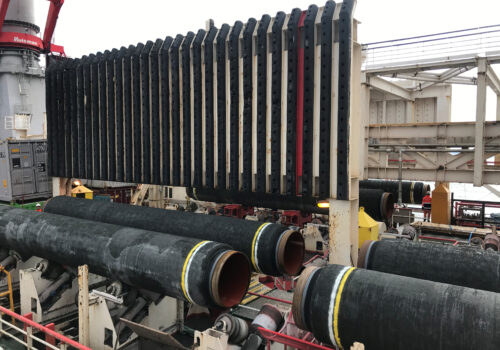
Energy Markets & Governance Energy Transitions

Content

Transcript

Jun 17, 2025

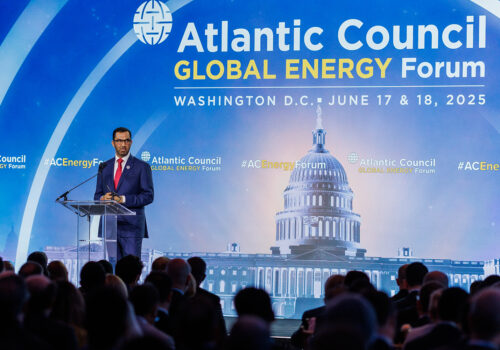
The AI race ‘is not just about code,’ it’s ‘about gigawatts,’ says the UAE’s Sultan Al Jaber

By Atlantic Council

At the 2025 Global Energy Forum, Al Jaber spoke about the need to "hyperscale energy" and update energy grids across the world.

Energy & Environment Energy Markets & Governance

Report

Jun 17, 2025

Great sea connections: Financing the Eastern Mediterranean’s energy transition

By Karim Elgendy

This report proposes frameworks for innovative financial mechanisms to simultaneously advance technological leapfrogging, economic development, and regional cooperation in the Eastern Mediterranean region.

Africa Energy & Environment

Issue Brief

Jun 16, 2025

Scaling up private capital for climate investment in emerging markets

By Amin Mohseni-Cheraghlou, Frank Willey

The gap between actual and needed global investment in renewable energy is projected to grow to tens of trillions of dollars over the next ten to thirty years.

Energy Markets & Governance

EnergySource

Jun 16, 2025

US global leadership in the age of electricity

By Robert F. Ichord, Jr.

Amid shifting geopolitics and the emerging "age of electricity," the United States has an opportunity to assert global leadership in energy and security. Through foreign policy, the Trump administration can leverage US strengths in natural gas, nuclear power, and emerging energy technologies to engage allies in building a secure and resilient global electricity system.

China Energy & Environment

Issue Brief

Jun 12, 2025

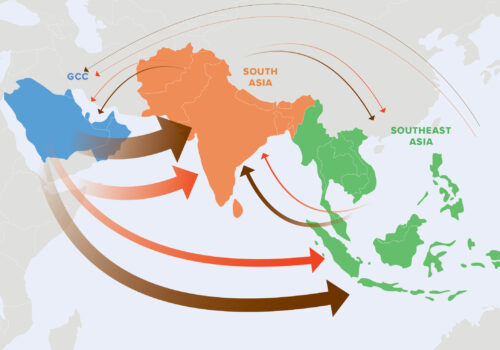
Energy strategy across the Arabian Sea and Indian Ocean

By Phillip Cornell

The energy landscape of the ASIO region is also a key component of broader, global geopolitical and strategic change.

Energy & Environment Energy Markets & Governance
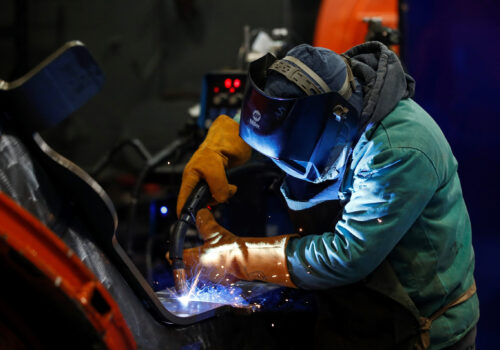
A LB Steel LLC's employee manufactures a component for new Amtrak Acela trains built in partnership with Alstom in Harvey, Illinois, U.S. December 4, 2019. REUTERS/Kamil Krzaczynski

Issue Brief

Jun 12, 2025

Building for tomorrow: Preparing US industry to compete in a lower-carbon global economy

By David L. Goldwyn, Andrea Clabough

The question for US policymakers is not whether to compete, but how.

Energy & Environment Energy Markets & Governance

New Atlanticist

Jun 3, 2025

How Kazakhstan can anchor a resilient rare‑earth supply chain for the West

By Miras Zhiyenbayev

By partnering with Kazakhstan on rare-earth element mining, the United States can reduce its dependence on China and build a more secure critical minerals supply chain.

Central Asia Critical Minerals

GeoTech Cues

May 21, 2025

To build tomorrow’s power grid, the United States should look to geothermal energy

By Sudeep Kanungo, Will LaRivee

Geothermal energy offers a promising solution for stable, reliable baseload power. But to unlock its full potential, the US government must take action to reduce the barriers to entry for industry.

Energy & Environment Energy Markets & Governance

Issue Brief

May 14, 2025

The United States’ role in managing the nuclear fuel cycle

By Kemal Pasamehmetoglu

Global nuclear energy generation is likely to increase significantly in the next few decades. This expansion provides an opportunity for the United States to shape the global nuclear energy landscape and set a high bar for standards of safety, security, and nonproliferation for the nuclear fuel cycle.

Climate Change & Climate Action Critical Minerals

EnergySource

May 13, 2025

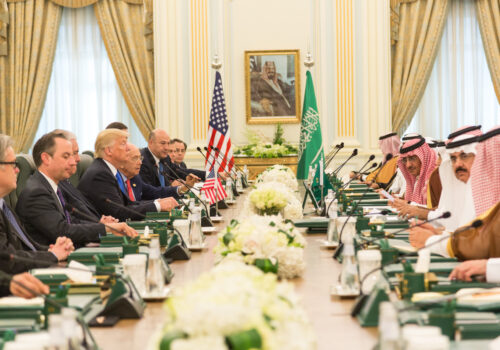
Four energy deals Trump will look to make on his Middle East trip 

By Ellen Wald

Trump’s upcoming trip to the Middle East will focus on advancing energy and commercial agreements, including securing Gulf investments in US manufacturing, increasing US LNG imports, deepening nuclear cooperation with Saudi Arabia, and locking in oil production commitments. These efforts are ultimately aimed at advancing broader geopolitical objectives—countering Russian influence and strengthening US energy dominance.

Energy & Environment Energy Markets & Governance

Experts

Events