Content

Article

Feb 26, 2020

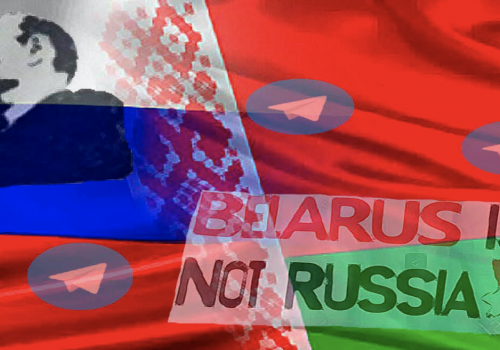
Anonymous pro-Russian Telegram channels target protests in Belarus

By Givi Gigitashvili

Amid ongoing economic integration talks between Russia and Belarus, eight channels attacked opponents of integration and spread pro-Kremlin narratives.

Belarus Disinformation

The 5×5

Feb 25, 2020

The 5×5—The evolution of the internet and geopolitics

By Simon Handler

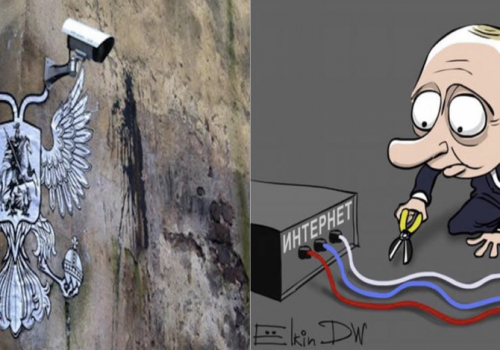
The internet has been a pivotal force behind the growth of the global digital economy and altered the relationship among states, their citizens, and the private sector. These changes have disrupted the geopolitical balance of power and ushered in a new generation of globally-powerful multinational companies. However, new dynamics of conflict are threatening the internet as we know it.

Cybersecurity Internet

Article

Feb 24, 2020

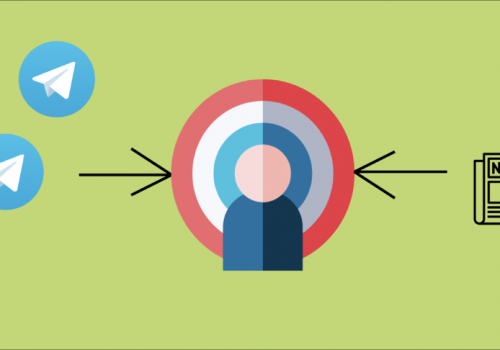
Anonymous Ukrainian Telegram channels serve as gateways to fringe media

By Roman Osadchuk

Allegations against former Ukrainian MP on anonymous Telegram channels made way to fringe media and other MPs’ Telegram channels.

Disinformation Eastern Europe

UkraineAlert

Feb 18, 2020

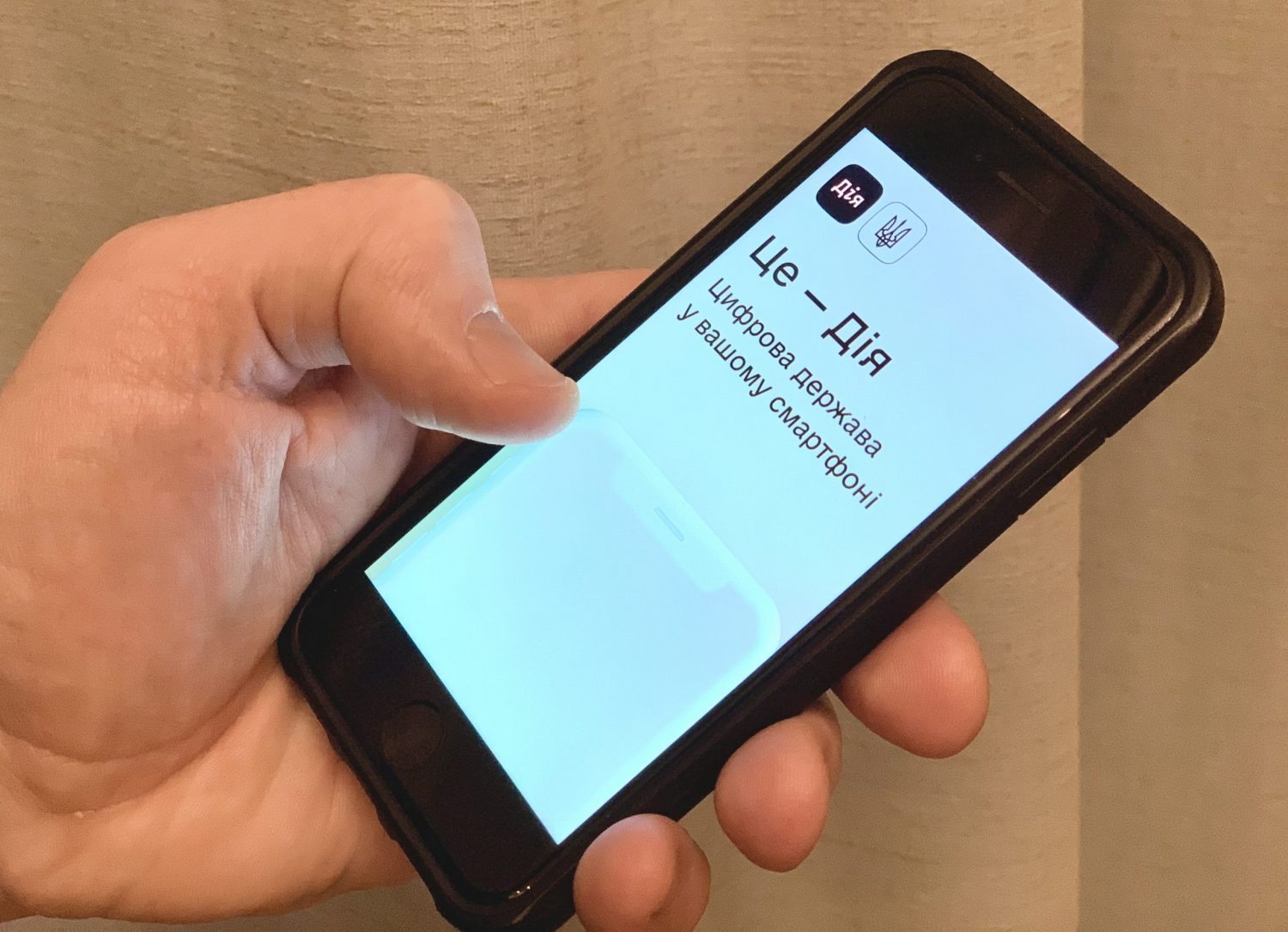
Ukraine in a smartphone: Zelenskyy’s digital dream

By Anatoly Motkin

President Zelenskyy has called for a digital revolution to transform Ukraine into a "country in a smart phone" but is greater e-government the answer to Ukraine's long struggle against corruption and dysfunction within state institutions?

Democratic Transitions Internet

In the News

Feb 12, 2020

Countering misinformation in an expanding media landscape

By Atlantic Council

Dr. David Bray, Director of the Atlantic Council's GeoTech Center, and other expert panelists considered the changing landscape of misinformation on an episode DisrupTV hosted by Mr. R "Ray" Wang and Mr. Vala Afshar of Constellation Research.

Cybersecurity Digital Policy

Insights & Impact

Feb 5, 2020

A reason for skepticism with China’s coronavirus comms

By Tessa Knight and Jacqueline Malaret

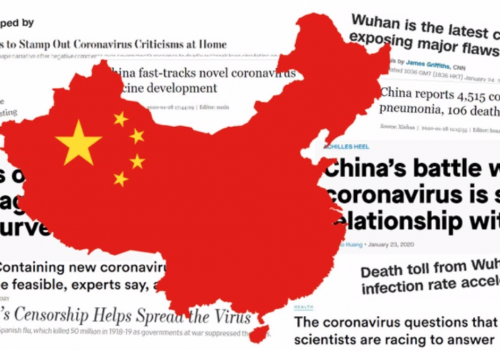
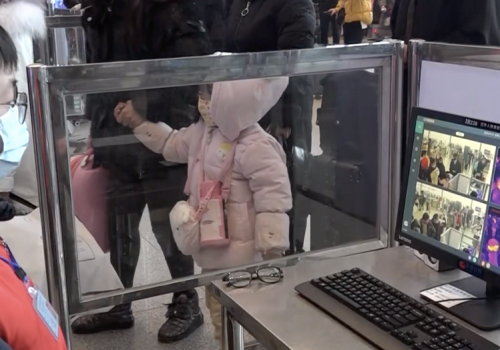
While presenting an image abroad of transparency and cooperation in the country's response to COVID-19, China is simultaneously threatening journalists and detaining people who speak out on social media, the latest in its long history of attempting to maintain tight control over the facts to avoid domestic public scrutiny of a public health crisis.

China Civil Society

Article

Jan 30, 2020

Bioweapons, secret labs, and the CIA: pro-Kremlin actors blame the US for coronavirus outbreak

By Eto Buziashvili

Multiple narratives begin to emerge on fringe Russian outlets and social media, following a familiar playbook

Coronavirus Disinformation

New Atlanticist

Jan 27, 2020

Warring for the soul of the internet: Ten years on

By Trey Herr

The new reality is one where democracies must play a more assertive role to protect an open, free, fair, and secure internet, utilizing a strategy that recognizes the changes the internet has undergone, the pernicious influence of authoritarian states, and the role companies have in both protecting and fragmenting it. The internet can’t be brought back in time but there is hope, perhaps, that its original core values can be preserved in a new form through determined effort by its users, some companies, and the democratic states where the open web was born.

Cybersecurity Internet

New Atlanticist

Dec 9, 2019

The race to secure 5G networks: Another Sputnik moment for the United States?

By James L. Jones, Jr.

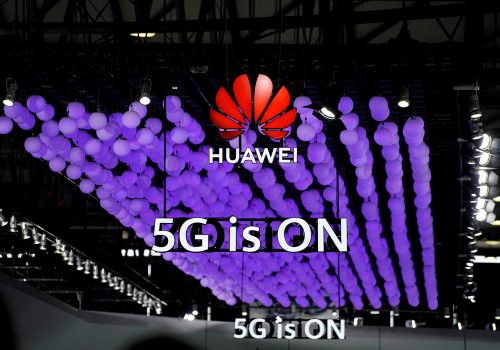
Another Sputnik moment could be upon us, but this time the threat comes from China. What is urgently needed is another “JFK like” moment where the president takes to the nation the fact that we are in a struggle the likes of which we have not seen before.

China Internet
Kremlin digital tools

Article

Nov 18, 2019

The Kremlin augments its digital tools for cracking down on protesters

By Givi Gigitashvili

Violent police crackdowns are not the only tactic protesters in Russia can expect, as they have also been subject to an increasing use of digital technologies as tools for intimidation.

Conflict Disinformation

Experts