Content

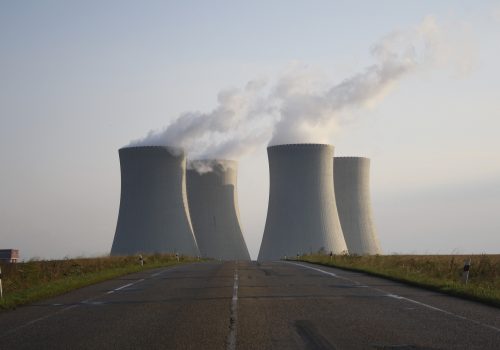
Nuclear cooling towers

EnergySource

Jan 30, 2020

Energy and the threat

By Amb. Thomas Graham, Jr.

Nuclear energy is our greatest asset in the fight against climate change. In my view, success in the struggle against climate change likely is simply not possible without a robust and immediate commitment to nuclear power.

Climate Change & Climate Action Energy Transitions
Building in Beijing

EnergySource

Jan 29, 2020

China’s vision for community with a shared future for humanity belies actual action

By Craig Hart

For China to truly back the its vision of a "shared future" with action, it must drastically reduce its own carbon emissions at home and discontinue investing abroad in carbon-intensive infrastructure through its Belt and Road Initiative.

China Energy Transitions
Wind turbines

EnergySource

Jan 29, 2020

The quiet energy transition sweeping the Midwest

By Craig Hart

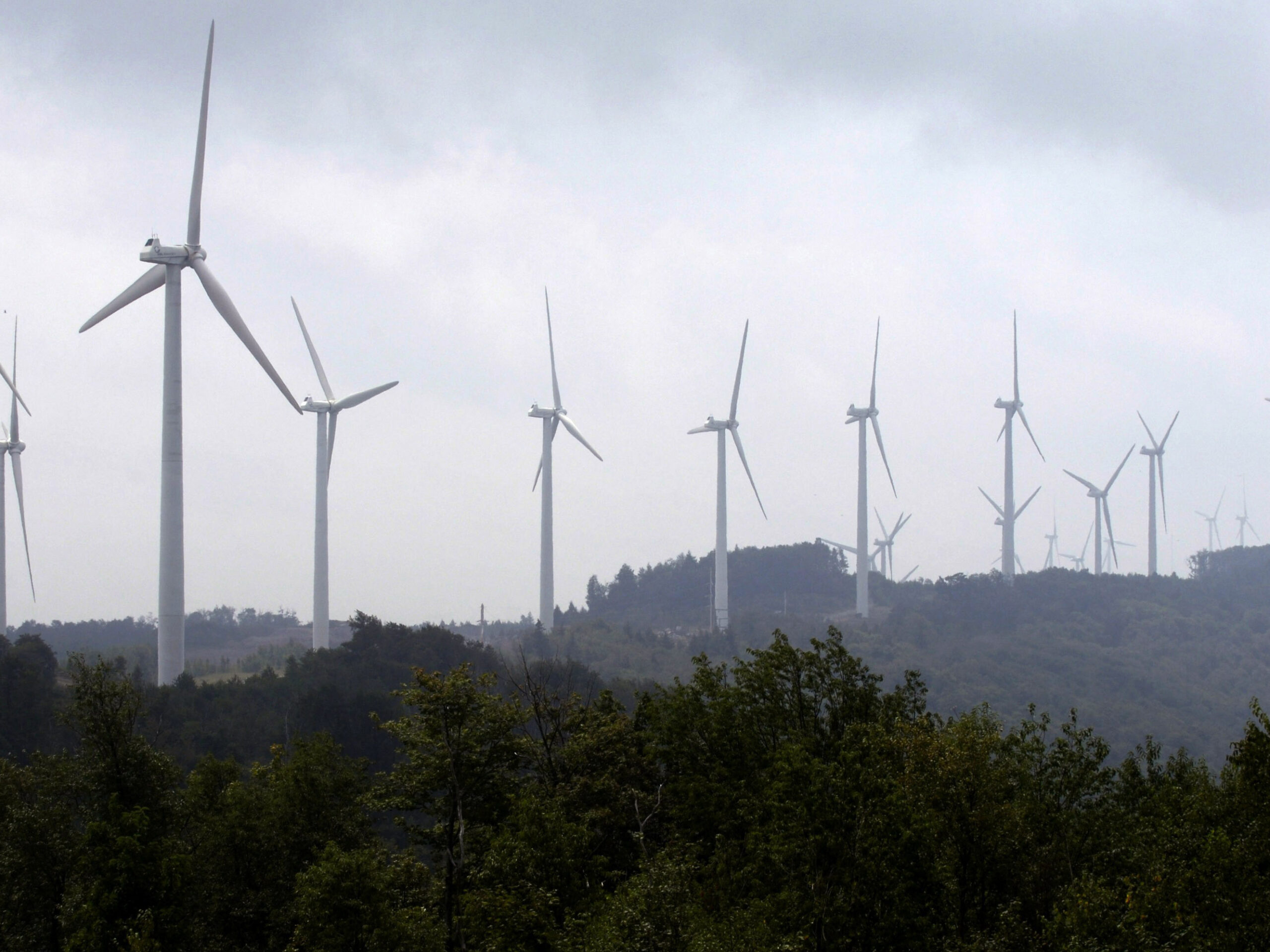
A quiet energy revolution is taking hold in the American Midwest, creating a tipping point for the nation as a whole—lower-carbon natural gas and renewables are pushing out coal as the low-cost fuel for power generation.

Energy Transitions Oil and Gas

EnergySource

Dec 31, 2019

How accounting for the externalities of carbon would affect end products

By Jennifer T. Gordon

Given the urgent need to decarbonize all sectors of the US economy, one of the broadest policy options that could steer both energy production and consumption in the right direction is the notion of putting a price on carbon.

Energy Transitions Oil and Gas
Buildings downtown

EnergySource

Dec 30, 2019

Shadow carbon pricing: What corporations can do in the meantime

By Jennifer T. Gordon

There are any number of reasons for corporations to participate in sustainability efforts. One of the greatest contributions that corporations can make to a zero-carbon future is setting a “shadow” price on carbon by placing a dollar value on emissions and making carbon commitments and investment choices accordingly.

Climate Change & Climate Action Energy Transitions
Stock exchange

EnergySource

Dec 30, 2019

The Aramco IPO isn’t quite enough to realize MBS’s diversification ambitions

By Randolph Bell

After significant delays and a number of setbacks, Aramco finally listed shares representing 1.5 percent of the company’s total value on the domestic Tadawul exchange. The $25.6 billion that the IPO raised is nothing to scoff at, but it still is not enough to fully realize MBS’ ambitions. Where does the IPO go from here?

Energy Markets & Governance Energy Transitions
Presidential debate stage

EnergySource

Dec 29, 2019

The reemergence of carbon pricing proposals

By Jennifer T. Gordon

There is a growing political acceptance of carbon pricing, both on the Hill and among presidential hopefuls. However, carbon pricing is by no means inevitable—where does the conversation go from here?

Climate Change & Climate Action Energy Transitions

EnergySource

Dec 6, 2019

The Neue Ostpolitik approach to Nord Stream 2: A legal fiction carried a little too far

By Dr. Benjamin L. Schmitt

Some Nord Stream 2 proponents invoke the Ostpolitik of the late Cold War, which involved West German cooperation with Moscow on Russian energy exports to Western Europe. But this time around, Europe does not need additional Russian gas volumes and its position is in opposition to the views of most of Eastern Europe. From this perspective, Nord Stream 2 is flawed Ostpolitik.

Energy Markets & Governance European Union

EnergySource

Dec 5, 2019

What does a sunset coal industry tell oil producers about peak demand?

By Henning Gloystein

When it eventually peaks, a look at coal gives a glimpse of what could happen in other sectors. Peak demand does not mean consumption will fall off a cliff—coal demand has so far plateaued at or near records, with pockets of growth still around. What could this mean for oil?

Energy Transitions Oil and Gas

EnergySource

Nov 27, 2019

Is Rosneft undermining “maximum pressure” on Venezuela and Iran as Trump looks away?

By Matthew Bryza

US President Donald Trump is conducting policies of “maximum pressure” on two countries, Venezuela and Iran. In Venezuela, Russia’s state-owned oil company, Rosneft, actively undercuts this US policy by helping them circumvent Washington’s tough economic sanctions. Why doesn't Washington apply broad sanctions against the giant Russian company?

Energy Markets & Governance Financial Sanctions and Economic Coercion