MENASource

As the MENA region continues to be the epicenter of news headlines, the Atlantic Council’s MENASource is a hub for thought-provoking and hard-hitting analyses about the latest trends, ideas, and debates. This online publication provides fast reactions and in-depth commentary on breaking news and key regional topics by a diverse team of experts and contributors.

Content

MENASource

Dec 17, 2013

The Regional Inequality Behind Tunisia’s Revolution

By Robert Joyce

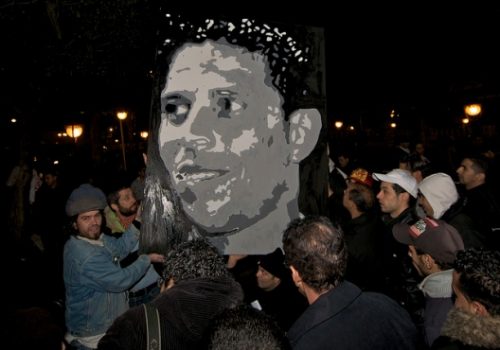
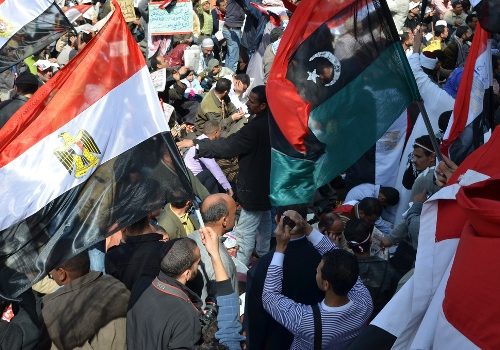
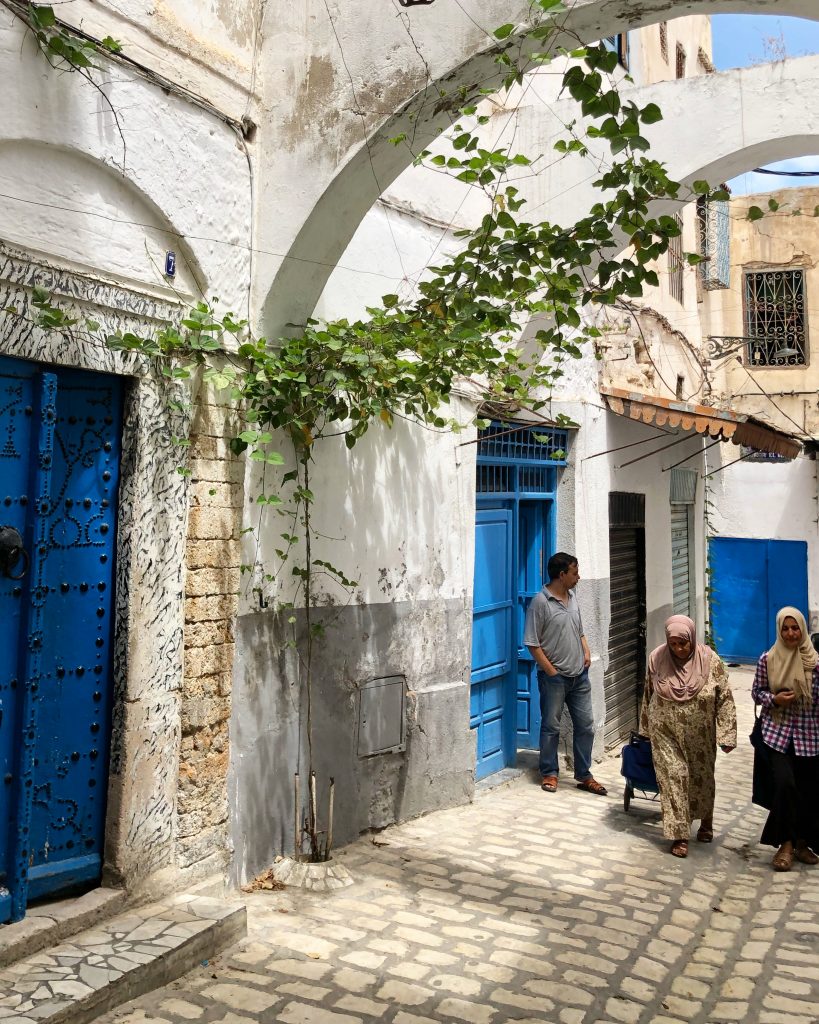
Three years ago, a humble vendor Mohammed Bouazizi set himself on fire outside a local government building in the interior town of Sidi Bouzid, and Tunisia will commemorate the event with demonstrations in downtown Tunis and Sidi Bouzid. Bouazizi’s story has become the stuff of revolutionary lore.

North Africa

MENASource

Dec 17, 2013

Top News: National Alliance to Support Legitimacy Boycotts Referendum

By EgyptSource

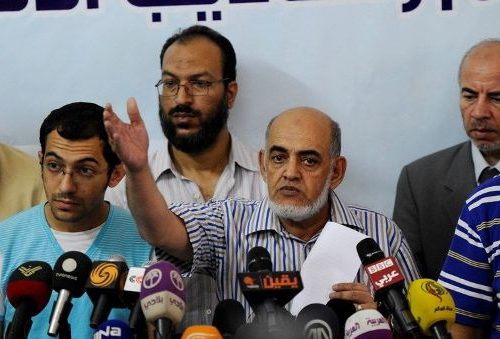
The National Alliance to Support Legitimacy (NASL) said on Monday that it is boycotting the referendum which is set to take place next month.

MENASource

Dec 17, 2013

Tunisia, Egypt, Libya, and Yemen: Three Years in Transition

By MENASource

Since its founding, the Rafik Hariri Center for the Middle East has closely followed the Arab transitioning countries as they faced their respective social, political, and economic challenges. In an effort to help map the twists and turns, the Center has produced a timeline for Tunisia, Egypt, Libya, and Yemen as each had to navigate momentous and […]

Libya North Africa

MENASource

Dec 17, 2013

MENASource Discussions: On Building a Better US-Gulf Relationship [VIDEO]

By MENASource

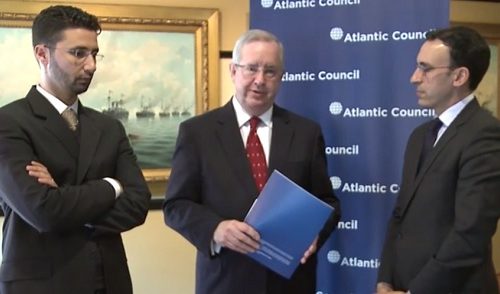
Ambassador Richard LeBaron, senior fellow with the Rafik Hariri Center for the Middle East, argues in a new issue brief, Building a Better US-Gulf Partnership, for a genuine US-Gulf dialogue to better coordinate policies towards the Arab transition countries and rejuvenate the relationship with conversations about new types of partnerships not based solely on defense and security interests. 

MENASource

Dec 17, 2013

Tunisia, Egypt, Libya, and Yemen: Three Years in Transition

By EgyptSource

Since its founding, the Rafik Hariri Center for the Middle East has closely followed the Arab transitioning countries as they faced their respective social, political, and economic challenges. In an effort to help map the twists and turns, the Center has produced a timeline for Tunisia, Egypt, Libya, and Yemen as each had to navigate momentous and […]

North Africa

MENASource

Dec 17, 2013

A Tale Of Two Libyas

By Karim Mezran

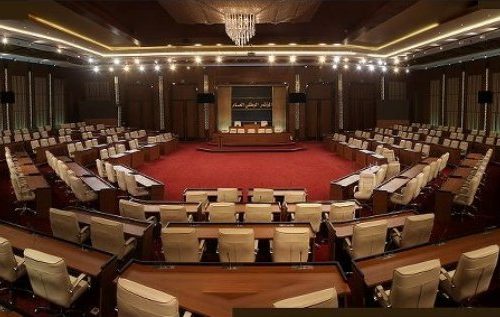
Libya’s High Election Commission, in charge of organizing the elections for the constituent committee, has yet to clearly communicated an election date. In the midst of deteriorating security and increasing political polarization, however, Libya is unlikely to vote anytime soon.

Libya

MENASource

Dec 17, 2013

EconSource Headlines-December 17, 2013

By EconSource

Follow the latest economic news and developments about the Arab transition countries. 

MENASource

Dec 16, 2013

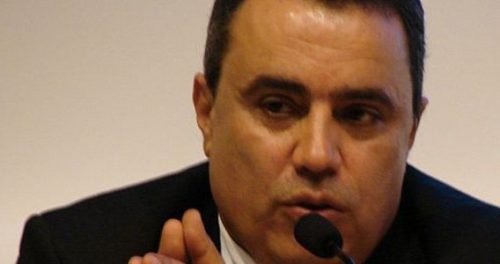
Top News: Mehdi Jomaa chosen as Tunisia’s new caretaker prime minister

By MENASource

Political leaders today chose Mehdi Jomaa, the current minister of industry, to take over as prime minister and lead a caretaker government until elections next year. Jomaa, aged fifty, is an independent technocrat who joined the current government in March after a career in the private sector. Jomaa garnered nine of twenty-one potential votes, with seven […]

MENASource

Dec 16, 2013

Top News: Egyptians to vote on constitution January 14-15; Six international organizations approved to monitor

By EgyptSource

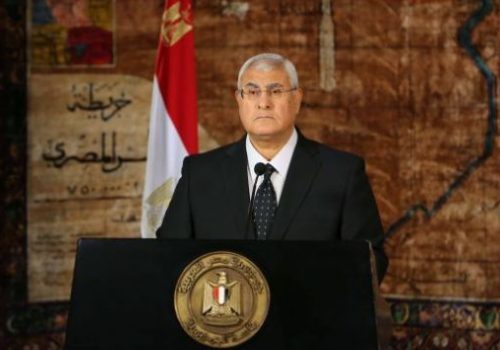
Interim President Adly Mansour announced a national referendum on the new draft of the constitution, will take place on January 14-15. The High Election Commission (HEC) said that out of “nine international organizations that requested permission to monitor elections, only six who fulfilled the conditions were accepted.” 

MENASource

Dec 16, 2013

Time for a New Chapter in US-Gulf Relations

By Stefanie Hausheer

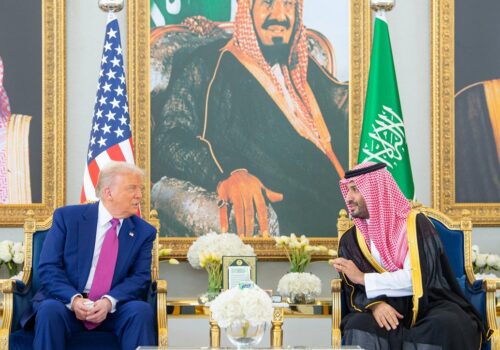
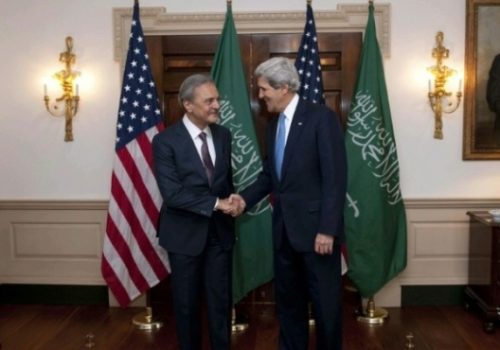
Saudi Prince Turki al-Faisal’s comments yesterday about US red lines on Syria and Iran becoming “pinkish as time grew,” and eventually ending up “completely white” indicate the extent of Gulf state exasperation with the Obama administration’s Middle East policies.

Middle East