Our programs and centers deliver in-depth, highly relevant issue briefs and reports that break new ground, shift opinions, and set agendas on public policy, with a focus on advancing debates by integrating foundational research and analysis with concrete policy solutions.
When major global news breaks, the Atlantic Council’s experts have you covered—delivering their sharpest rapid insight and forward-looking analysis direct to your inbox.
Reports from the front lines of global policy—by the experts shaping it.
A weekly column by Atlantic Council President and CEO Frederick Kempe, Inflection Points focuses on the global challenges facing the United States and how to best address them.
UkraineAlert is a comprehensive online publication that provides regular news and analysis on developments in Ukraine’s politics, economy, civil society, and culture. UkraineAlert sources analysis and commentary from a wide-array of thought-leaders, politicians, experts, and activists from Ukraine and the global community.
MENASource offers the latest news from across the Middle East, combined with commentary by contributors, interviews with emerging players, multi-media content, and independent analysis from fellows and staff.
Econographics provides an in-depth look at trends in the global economy utilizing state-of-the-art data visualization tools.
Translate this site
Translate the page or open accessibility tools from the same menu.
Choose a language for this page.
No matching languages found.
Current language: English
Adjust text size, contrast, link visibility, and motion from the same menu.
Accessibility tools are set to default.
NATOSource
By Victor Davis Hanson, National Review
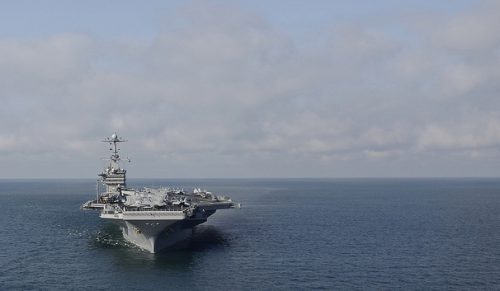
For the last 70 years, the Mediterranean has been quieter than at any other time in its long history . . . Why?
By Julian Lindley-French
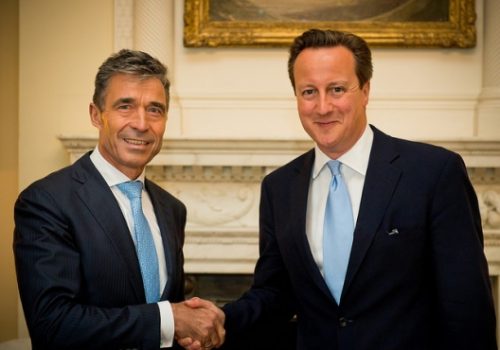
As host of the NATO Wales summit, British Prime Minister David Cameron faces a delicate challenge; strategy or politics?
By Douglas Lute, Telegraph
Since 1949 NATO has been the Trans-Atlantic community’s answer to crises: the Cold War, the Balkans, and, most recently, Afghanistan.
By Simona Kordosova
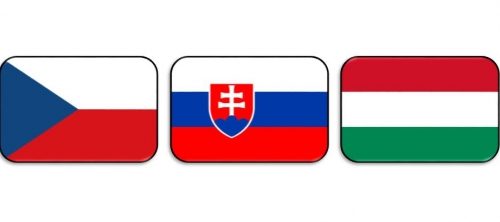
With NATO approaching its September summit in Wales, the time has come for Slovakia, Hungary, and the Czech Republic to join Poland in its efforts to bolster regional security and shape the future of the Visegrad countries’ eastern periphery.
By Anders Fogh Rasmussen, NATO
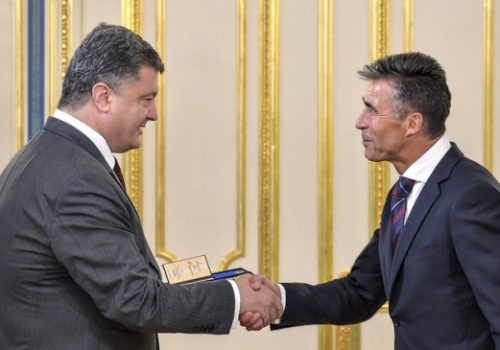
My message is very clear: NATO’s support for the sovereignty and territorial integrity of Ukraine is unwavering.
By Andrew Tilghman, Military Times
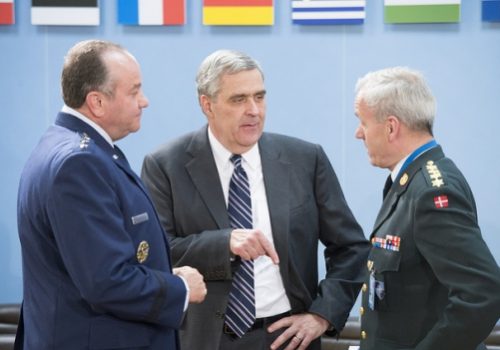
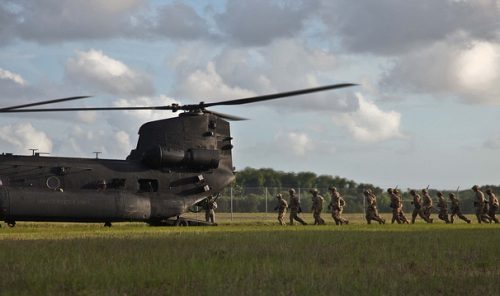
If tensions between Russia and the West continue to mount, the Pentagon this fall may launch a far-reaching review of the U.S. military’s footprint in Europe, the Defense Department’s number two official said.
By Lolita Baldor, AP
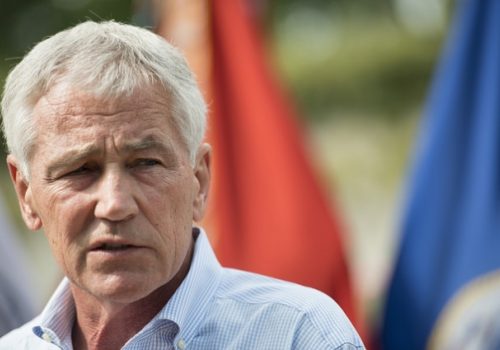
Russia’s troop buildup on the Ukrainian border increases the threat of an invasion by President Vladimir Putin’s army, Defense Secretary Chuck Hagel said Wednesday.
By Editors of the Financial Times
The obvious answer is for Nato to bolster its military presence in the east, thereby signalling to Moscow that an attack there would indeed be treated as an attack on the whole alliance.
By Editorial Board, Washington Post
A month ago, Russian President Vladimir Putin appeared to be successfully executing his campaign to destabilize Ukraine.
By Anders Fogh Rasmussen, Financial Times
From the start, I have described this crisis as a wake-up call for the alliance, and for all those committed to a Europe that is undivided, free and at peace.
If refreshing the page doesn't resolve the issue you could try clearing the sites browser cache.