Content

IranSource

Jun 9, 2020

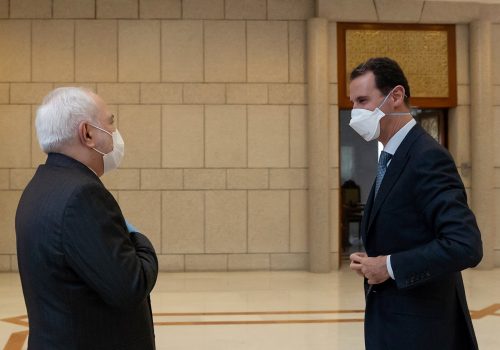
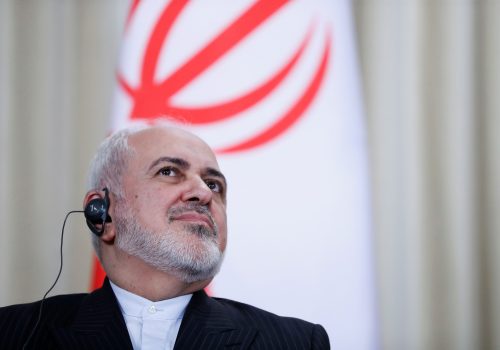
The European approach on the arms embargo on Iran

By Michel Duclos

On the 2015 nuclear deal with Iran, the European approach has been, to a large extent, inspired by legal concerns and a commitment to a rules-based international order.

European Union Iran

IranSource

Jun 9, 2020

Removing the UN arms embargo on Iran will reward Tehran’s malign actions

By Colonel Udi Evental

An Israeli perspective.

Iran Israel

UkraineAlert

Jun 9, 2020

Farcical Putin referendum confirms Russia-Ukraine geopolitical divorce

By Victor Tregubov

Russia’s farcical Putin referendum in many ways confirms the country’s geopolitical divorce from democratic Ukraine and underlines the growing distance between two countries that were once widely seen as virtually indivisible.

Democratic Transitions Russia

IranSource

Jun 9, 2020

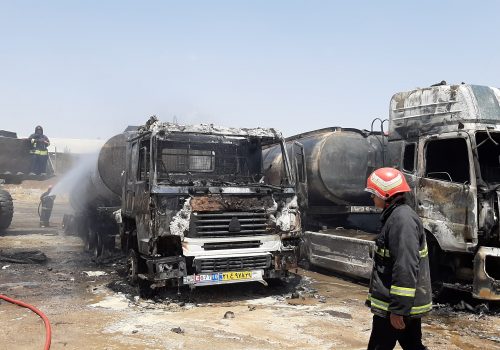
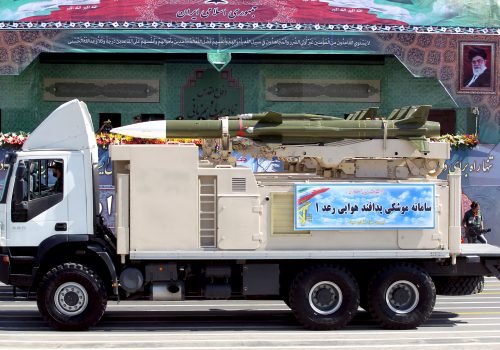
Lack of modern technologies hampers Iran’s defense industry

By Robert Czulda

While, in many countries, defense companies are private, they are state-owned in Iran. Because of the Islamic Republic’s long pariah status, interaction with the outside world has been limited.

Iran Middle East

New Atlanticist

Jun 9, 2020

In Central Europe, a nationalist bullet dodged

By Daniel Fried

Many in the region expected the 100th anniversary of Trianon to be a blow up. It could be yet. But around the actual anniversary, it was a dog that did not bark: the significance was in what wasn’t said, in nationalist pandering avoided and confrontation dodged, and positive gestures recognized.

Central Europe Hungary

The future is here

Jun 9, 2020

World leaders will not gather for UN General Assembly; New Zealand lifts all restrictions

By Atlantic Council

World leaders will not gather in September for the United Nations General Assembly because of coronavirus, a first in the UN’s seventy-five-year history. Officials worldwide continued to lift coronavirus restrictions, with New Zealand among the first countries to return to pre-pandemic normality.

Coronavirus

New Atlanticist

Jun 9, 2020

Russian cyberattack on Georgia shows why the US should pass the Georgia Support Act

By George Tsereteli

The US Senate could take a significant step toward helping its vulnerable ally by passing the Georgia Support Act and ensuring its provisions are met. The multitude of statements supporting Georgia and condemning the Russian attacks are, of course, a politically positive message for Georgia—but to think statements can change or deter the Kremlin’s behavior is beyond naïve. Concrete actions, such as the passage and signing of H.R.598 into law, would be a message of support backed with real weight.

Cybersecurity Security Partnerships

New Atlanticist

Jun 8, 2020

The US and Europe have addressed COVID unemployment in divergent ways: The differences are revealing.

By Hung Tran

The coronavirus pandemic has inflicted similar economic devastation around the world, but the United States and Europe have sought to minimize the impact of COVID-related unemployment in divergent ways. Understanding the differences in these responses is critical to grasping the likely long-term impact of this crisis on the transatlantic economy.

Coronavirus European Union

New Atlanticist

Jun 8, 2020

Where does China really stand on debt relief?

By Jeremy Mark

So far, many developing countries have avoided the worst effects of the virus. But it may be only a matter of time before underdeveloped health systems are overwhelmed. China can make a big difference by accelerating debt relief. But it is not clear whether Beijing is prepared to act under any motivation beyond the bottom-line concerns of its own lending institutions.

China Coronavirus

New Atlanticist

Jun 8, 2020

NATO secretary general unveils his vision for the Alliance’s future

By David A. Wemer

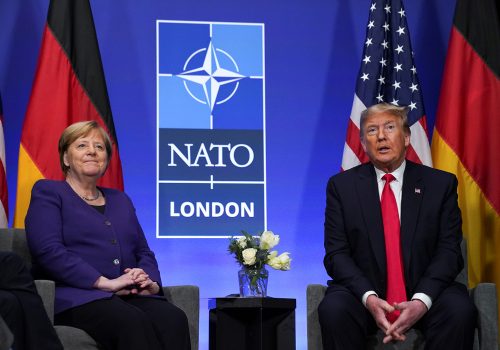
On June 8, Secretary General Jens Stoltenberg laid out his plans for a new period of reflection on the Alliance’s mission and structure over the next ten years. At a time when the COVID-19 pandemic has accentuated certain security threats to member states, including “unabated” Russian military activity, the spread of disinformation and propaganda, and the disruptive ascendance of China, NATO “must stay strong militarily, be more united politically, and take a broader approach globally,” he stated.

Coronavirus NATO