Content

AfricaSource

Dec 10, 2018

Looking for unity in the Sahel

By Matthieu Fernandez

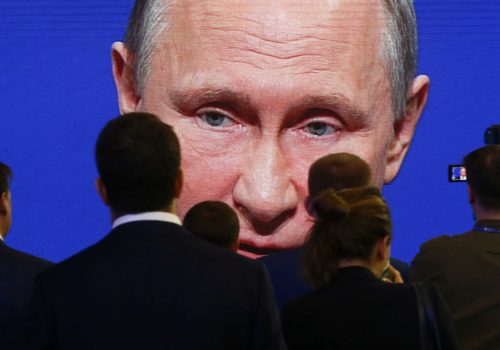
Recognizing the transborder nature of the security, socioeconomic, and environmental challenges facing them – ranging from terrorism to criminal trafficking to a major unemployment crisis – Mauritania, Mali, Burkina Faso, Niger, and Chad banded together in 2014 to form the Group of Five for the Sahel (G5 Sahel). While Western donor nations celebrated this initiative as a proof of the nations’ mutual commitment to improving the security situation in the region, in reality, the G5 Sahel remains heavily reliant on France and other international donors for funding and operational and logistic capacity, and exercises little decision-making power.

Africa English

New Atlanticist

Dec 10, 2018

#StrongerWithAllies: Polish major enlists his personal drone in his unit’s mission

By Hal Foster

Podhorodecki posts his drone footage to YouTube and to the Facebook page that his three-person public affairs team set up to promote the 12th Mechanized.

NATO Security & Defense
TheresaMayCommonsFeature

New Atlanticist

Dec 10, 2018

Brexit and the Irish Backstop: the fear that dare not speak its name

By John M. Roberts

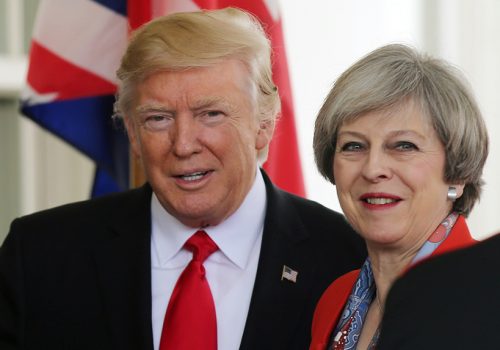
Responding to comments from a plethora of critics in the wake of her statement, May told Parliament on December 10 that the British government “retains its commitment to the Belfast Good Friday Agreement and the commitments the government made within that agreement.”

European Union International Organizations

New Atlanticist

Dec 10, 2018

Why the Irish border matters

By Dan Haverty and Brendan Reaney

It remains unclear if the withdrawal agreement May has reached with Brussels will impact the life of her government, but it is clear that the Irish border has impacted the Brexit debate and will force the prime minister to turn to her party’s rivals to push the deal through Parliament.

Democratic Transitions Politics & Diplomacy

New Atlanticist

Dec 10, 2018

Why human rights matter

By Iain Levine

Even the most basic value that underpins human rights—that every human life has equal worth—is threatened by those who talk and tweet of “the other” in ways that question their very humanity.

Civil Society Human Rights

SyriaSource

Dec 10, 2018

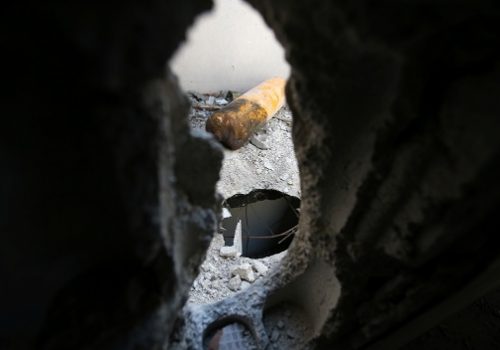
Syria, Israel, and the Golan

By Frederic C. Hof

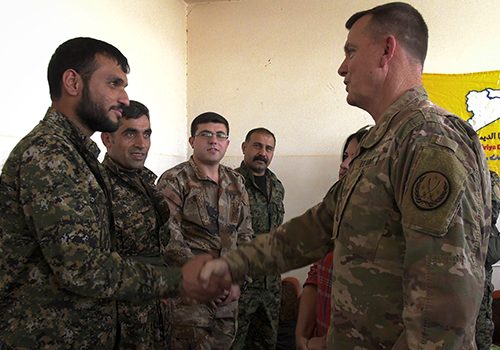
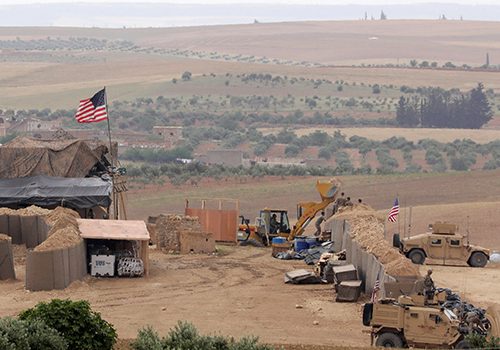
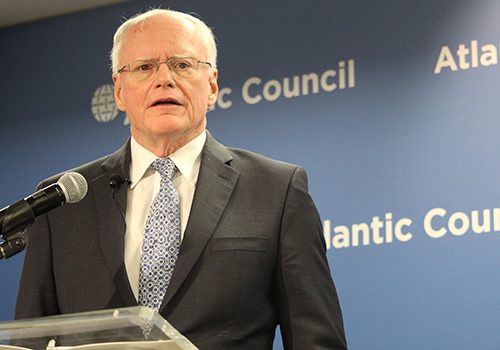
In mid-November 2018, the United Nations General Assembly voted overwhelmingly for a resolution demanding, among other things, “that Israel withdraw from all the occupied Syrian Golan . . .” With only Israel and the United States voting “no,” 151 members of the General Assembly told Israel to withdraw from territory occupied since June 1967 and […]

Israel Syria

IranSource

Dec 10, 2018

New Tehran Mayor Takes Office After Controversy

By Tahereh Hadian-Jazy

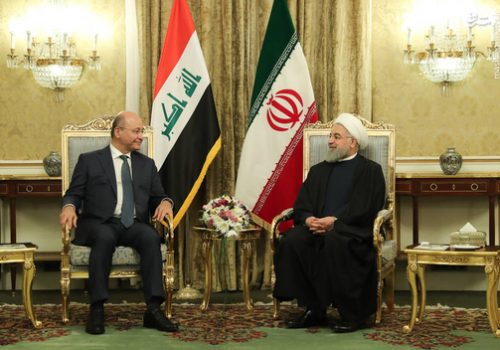
Pirouz Hanachi was narrowly elected mayor of Tehran last month by the capital’s city council, besting former roads and urban development minister Amir-Abbas Akhoundi by one vote—eleven to ten. Hanachi replaces Mohammad Ali Afshani as the third mayor of the capital in the council’s current term. However, the Interior Ministry delayed accepting his election and officially ratifying […]

Iran

New Atlanticist

Dec 8, 2018

OPEC attempts to recast its relationship with the United States

By Randolph Bell and Reed Blakemore

Though previous US administrations have taken an interest in OPEC and oil prices, Trump’s consumer-oriented approach to the oil market—and his willingness to use his Twitter account to advocate for that approach—has made always-difficult OPEC negotiations that much more challenging.

International Organizations Oil and Gas

New Atlanticist

Dec 6, 2018

Right-Wing party gains ground in Spain

By Alex Baker

The December 2 regional election in Andalusia ended the Spanish anomaly. As the results poured in, heads turned in Europe as Vox, a populist right-wing party, won 11 percent of the vote and twelve seats in the Andalusian parliament.

Elections Populism

New Atlanticist

Dec 6, 2018

The Trump administration has lost the debate on US-Saudi relations

By Nabeel Khoury

Logically, a superpower like the United States, and one on which the Saudis are almost completely dependent for their security, should be able to demand a genuine corrective course from its ally without having to throw the whole relationship into question.

Geopolitics & Energy Security Politics & Diplomacy