Content

Issue Brief

Jan 9, 2020

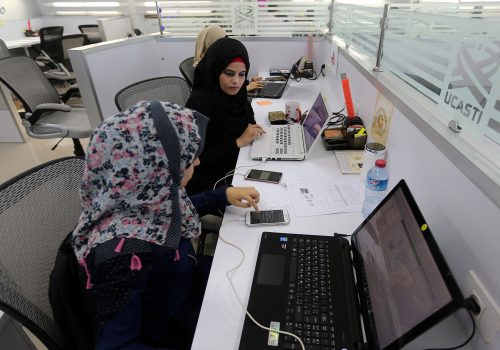
Transforming the power sector in developing countries: Geopolitics, poverty, and climate change in Bangladesh

By Robert F. Ichord, Jr.

As the South and Southeast Asian region faces increasing energy demand due to both population and economic growth, countries like Bangladesh must meet that demand while facing and overcoming critical environmental and energy security challenges. How is Bangladesh seeking to diversify its energy mix and establish more local and decarbonized power systems, and what are key opportunities for future government and foreign investment?

Bangladesh Climate Change & Climate Action

Global Energy Forum

Jan 9, 2020

Transforming the power sector in developing countries: Geopolitics, poverty, and climate change in Pakistan

By Robert F. Ichord, Jr.

As the South and Southeast Asian region faces increasing energy demand due to both population and economic growth, countries like Pakistan must meet that demand while facing and overcoming critical environmental and energy security challenges. How is Pakistan seeking to diversify its energy mix and establish more local and decarbonized power systems, and what are key opportunities for future government and foreign investment?

Climate Change & Climate Action Energy Markets & Governance

Global Energy Forum

Jan 9, 2020

The role of oil and gas companies in the energy transition

By Robert ("RJ") Johnston, Reed Blakemore, and Randolph Bell

Many oil and gas companies have recognized the need to decarbonize the energy system to avoid the impacts of climate change. Initial industry efforts to play a role in the energy transition show sincerity and promise. Yet the urgent need for more oil and gas production for the foreseeable future suggests that a comprehensive framework for the oil and gas industry to support a low-carbon future while simultaneously ensuring the world has enough energy to meet development and economic growth goals has yet to be fully developed. What role can the oil and gas industry play lead the way to an energy-rich, globally prosperous, low-carbon future?

Energy Transitions Oil and Gas

Issue Brief

Jan 9, 2020

Election 2020: What’s at stake for energy policy?

By David L. Goldwyn, Andrea Clabough

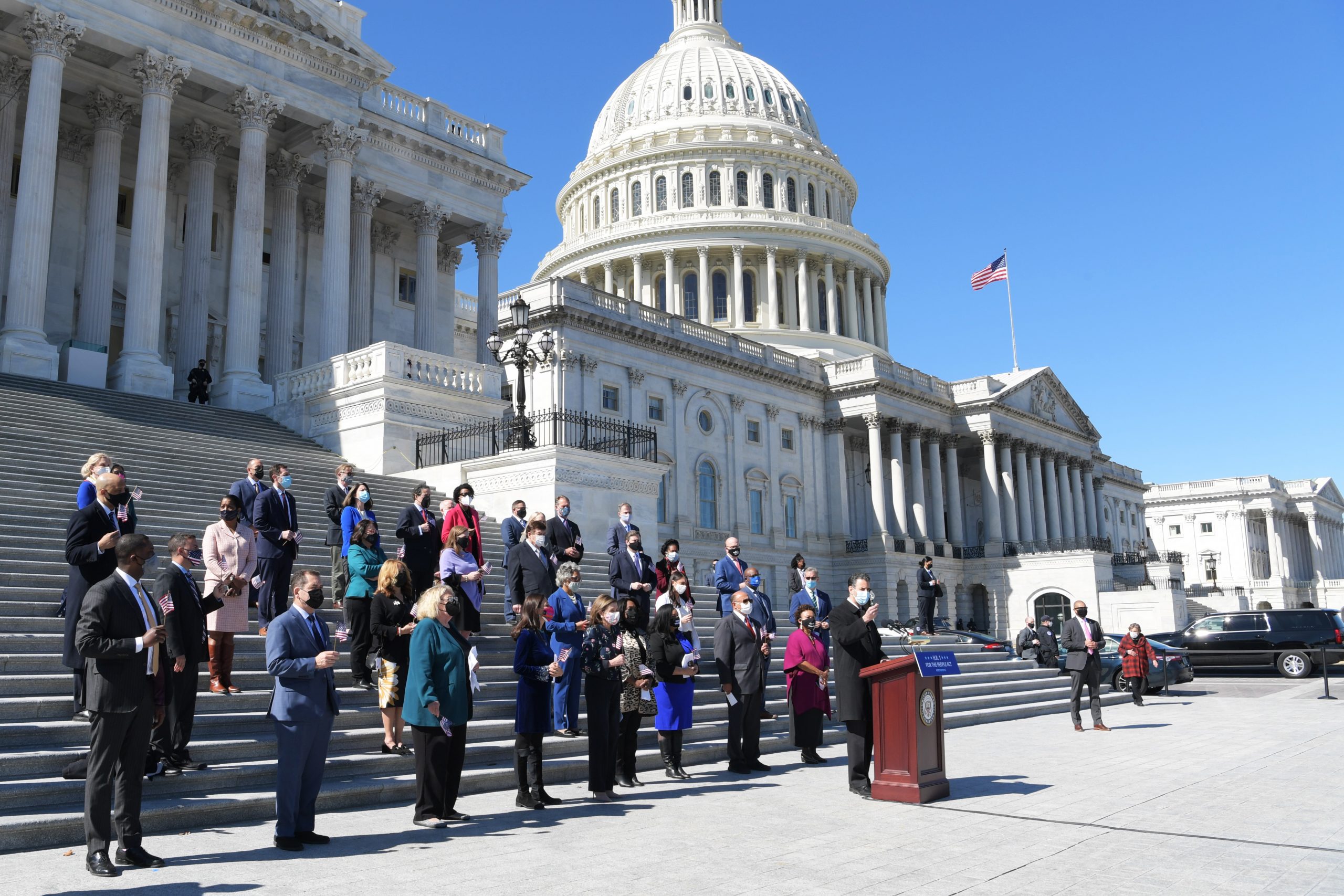
As the US presidential election in November 2020 draws nearer, the energy policy platforms—including domestic energy, climate change, foreign, and trade policies—from the Democratic candidates, as well as the energy policies of a potential second Trump Administration, have become increasingly clear.

Energy Markets & Governance Energy Transitions

Issue Brief

Jan 9, 2020

International co-financing of nuclear reactors between the United States and its allies

By Jennifer T. Gordon

As Russia and China seek out third-party countries with demand for nuclear energy, can the United States and its allies determine how to cooperate on co-financing agreements and become greater than the sum of their parts?

Geopolitics & Energy Security Nuclear Energy

Global Energy Forum

Jan 9, 2020

European energy diversification: How alternative sources, routes, and clean technologies can bolster energy security and decarbonization

By Richard L. Morningstar, András Simonyi, Olga Khakova, Irina Markina

The European Union’s efforts to achieve a carbon-neutral economy present a unique and timely opportunity to strengthen European energy security. What is the EU currently doing to meet its decarbonization goals, address the role of natural gas in Europe’s low-carbon future, and explain the potential for new gas sources, alternative gas routes, and clean energy technologies to reduce carbon emissions? And how can this be done while simultaneously increasing European energy security and opportunities for transatlantic cooperation?

Energy Markets & Governance Energy Transitions
Manufacturing facility

Global Energy Forum

Jan 9, 2020

The Saudi Aramco-SABIC merger: How acquiring SABIC fits into Aramco’s long-term diversification strategy

By Private: Jean-François Seznec

Throughout 2019, financial markets have watched the planned Saudi Aramco initial public offering (IPO), which was finally launched in December. A quieter, but no less significant, story was the Saudi oil company’s acquisition of SABIC. Saudi Aramco strove to have a successful IPO, especially through increased transparency and diversification, and the SABIC acquisition was a key element of Saudi oil company's diversification strategy. Going forward, what does the merger mean for both companies, what is the new relationship between Saudi Aramco and SABIC, and what are the merger’s implications for the intricate relationship between the various bureaucracies and leadership in Saudi Arabia?

Energy Markets & Governance Energy Transitions

Issue Brief

Dec 23, 2019

Spotlight: 10 Questions for 2020

By Adrienne Arsht Latin America Center

Looking ahead at the year 2020 in Latin America, here are our predictions for the top 10 questions facing the region. What's your take?

Economy & Business Latin America

Report

Dec 20, 2019

Leading the free world: How America benefits

By Paul D. Miller

Americans have been the unconscious beneficiaries of a world order that would not exist without them. Just as we take for granted electricity and plumbing, so to we take for granted the peace and prosperity of our system.

China Nationalism

Report

Dec 16, 2019

US-China collaboration on the Internet of Things safety: What next?

By Karl Frederick Rauscher

While the Internet of Things offers a range of humanitarian, commercial, and national security benefits, its pervasive nature has many concerned over its impacts on safety and security in society. In a new report by the Atlantic Council’s Scowcroft Center for Strategy and Security, Karl Rauscher notes that the world’s two largest powers are at a crossroads with regard to their level and scope of cooperation in continued IoT advances. United States–China Collaboration on the Internet of Things Safety: What’s Next? analyzes possibilities for the United States and China to work together to establish consensus policies and standards to make their societies safer and provide a model for the world.

China Cybersecurity