Insights and impact
About the Council
The Atlantic Council promotes constructive leadership and engagement in international affairs based on the Atlantic Community’s central role in meeting global challenges. The Council provides an essential forum for navigating the dramatic economic and political changes defining the twenty-first century by informing and galvanizing its uniquely influential network of global leaders. Through the papers we write, the ideas we generate, and the communities we build, the Council shapes policy choices and strategies to create a more secure and prosperous world.
Featured content
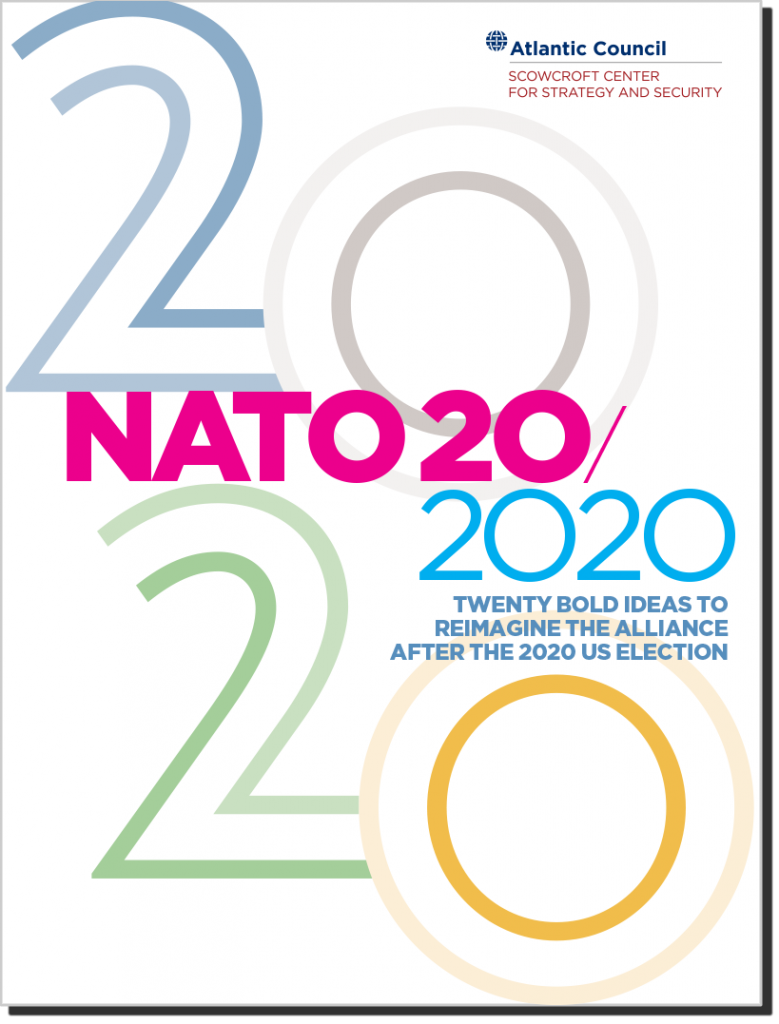
NATO 20/2020
Twenty bold ideas to reimagine the Alliance after the 2020 US election
More than two decades after NATO’s inspired decision to invite former adversaries to join its ranks, the Alliance is in need of equally captivating ideas. The essays in this volume are intended to push the Alliance to think boldly and creatively in the service of recapturing the public’s imagination.
Explore the podcast series

Making a difference
Learn more about the Atlantic Council’s insights & impact through these stories of how our regional and thematic programs are making a difference not only in shaping how we view global issues but also in shaping their outcome.
In the News
Dec 17, 2020
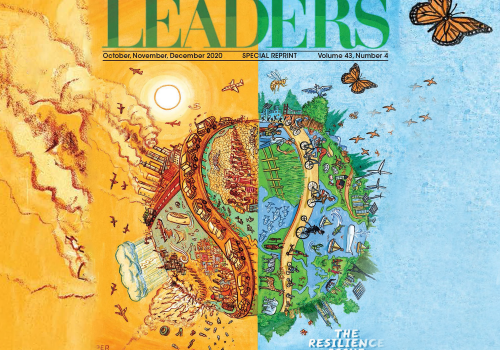
The Adrienne Arsht-Rockefeller Foundation Resilience Center partners with LEADERS Magazine to dedicate an entire issue to resilience
For its Fall/Winter issue of 2020, LEADERS Magazine, asked the Adrienne Arsht-Rockefeller Foundation Resilience Center to produce an issue dedicated to resilience. The Resilience Issue assembles a broad range of global thought leaders and experts who are currently tackling the challenges and crises facing the world from different perspectives.
Insights & Impact
Mar 3, 2020
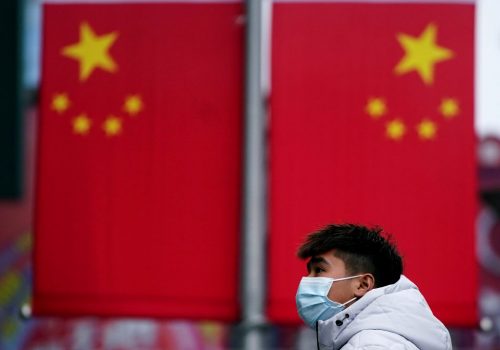
Peering Around the Corner: The Geopolitics of Coronavirus
By
Atlantic Council
On February 11, 2020 the DFRLab hosted "Peering Around the Corner: The Geopolitics of Coronavirus," a timely series of panels on the potential geopolitical and economic consequences of Coronavirus, and how misinformation about the crisis may influence its impact.
Program Impact Story
Feb 6, 2020
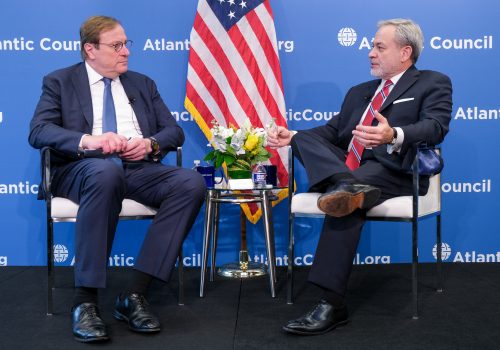
US energy priorities abroad: A conversation with US Secretary of Energy Dan Brouillette
By
Global Energy Center
On Friday, February 7, 2020, the Atlantic Council hosted newly appointed US Secretary of Energy Dan Brouillette for a public address and moderated discussion about US government energy priorities abroad.
Latest commentary and analysis

Econographics
Oct 30, 2026
As energy prices threaten inflation again, Lagarde’s European Central Bank legacy offers lessons
By
Hung Tran
Christine Lagarde's European Central Bank legacy reflects strong crisis management and efforts to strengthen the euro, but a mixed record on inflation.

MENASource
Oct 30, 2026
Libya’s maritime deal with Turkey may be the key to reunification
By
Mohamed Eljarh
The deal, and the rise of Saddam Haftar, represent a new approach to Libya’s divided domestic politics and foreign relations.

UkraineAlert
Oct 29, 2026
Ukraine’s drone defenses debunk the myth of inevitable Russian victory
By
Mykola Bielieskov
Ukraine’s emergence since 2022 as a drone superpower has made international headlines, but the role of drone-based air defenses on the battlefield has not yet received as much attention as it arguably deserves, writes Mykola Bielieskov.
Latest in-depth research and reports

Issue Brief
Oct 29, 2026
The relationship between female leadership, political freedom, and the rule of law
By
Helena Fee Rasch
How is female leadership in public service associated with two institutional outcomes: political freedom and rule of law? Understanding the broader implications of women’s representation in leadership roles can inform strategies to preserve and promote freedom, democracy, and prosperity.

Issue Brief
Oct 27, 2026
Any means necessary: Are courts safe in the digital age?
By
Lisandra Novo
Reports are on the rise of hacks at federal courts in the United States, putting sensitive data, such as informants' identities, at risk. In litigation involving spyware, even more sensitive data is at risk. What protective measures should be in place to safeguard evidence?

Report
Oct 26, 2026
Pakistan’s changing development assistance landscape: Manifestations, implications, and opportunities
By
Leon S. Waskin, Imran Shauket
Pakistan’s development assistance landscape is undergoing a major structural shift. Western bilateral aid is declining, multilateral development bank (MDB) financing is increasing to compensate, and non-Western bilateral and philanthropic flows are growing steadily.