Israel Project

The Atlantic Council’s Israel program is the premier center for bipartisan information and engagement on the region, providing analysis of Israel’s role in the region and wider world; strengthening bilateral US-Israel relations across the full range of military, intelligence, and diplomatic issues on the agenda; and renewing bipartisanship in Washington and throughout the US for a constructive US-Israel relationship.

N7 Initiative

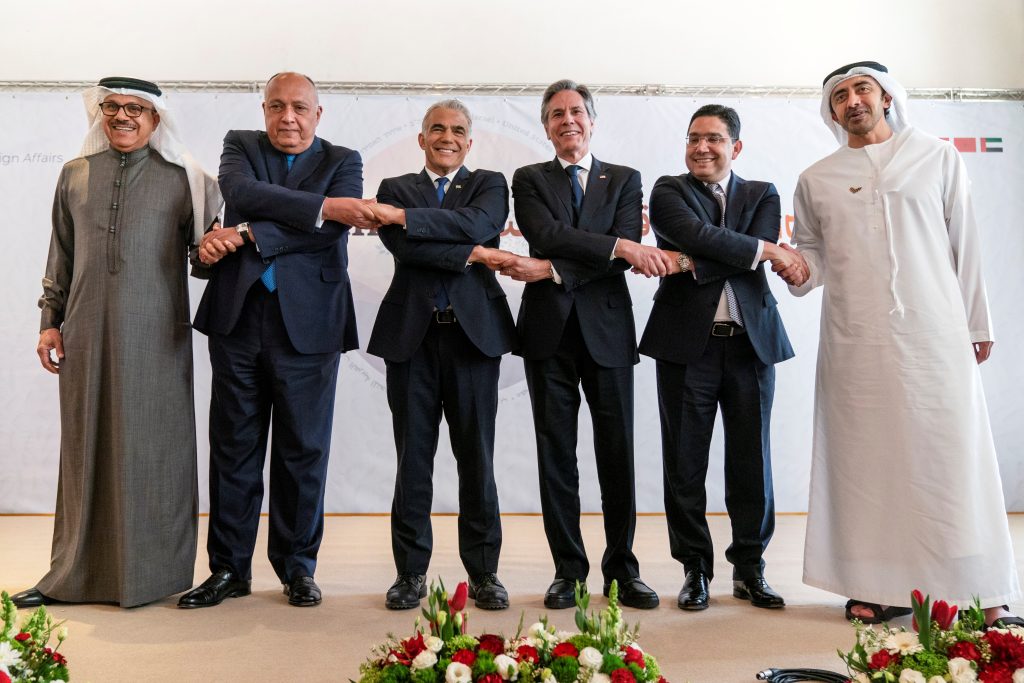
In the wake of the Abraham Accords signed in September 2020, the Atlantic Council’s Middle East Programs, in partnership with the Jeffrey M. Talpins Foundation, launched the N7 Initiative to help accelerate and strengthen normalization between Israel and Arab and Muslim countries, and to drive bipartisan support in the US for normalization.

Experts

Past events

Latest analysis

MENASource

Jan 27, 2026

When UNIFIL leaves, south Lebanon still needs an international presence

By Nicholas Blanford

Absence of an international eye could encourage Hezbollah and Israel into actions that lead to renewed conflict.

International Organizations Israel

MENASource

Jan 15, 2026

After Israel’s recognition of Somaliland, what comes next?

By Amit Yarom

Recognition reshapes the scope of bilateral engagement but does not eliminate the constraints tied to Somaliland’s contested status.

Africa East Africa

MENASource

Jan 14, 2026

Voices from Iran: As rejection of government reaches all-time high, Iranians also wary of foreign intervention

By Tara Kangarlou

If Trump is serious about peace, stability, and a lasting legacy, the path forward does not run through air strikes or transactional deals with a failing theocracy.

Civil Society Crisis Management

MENASource

Dec 22, 2025

The potential of the Abraham Accords won’t be realized without Turkey

By Ghaida Rinawie Zoabi

Turkey seeks to ensure it is not pushed to the margins, while Israel and the Arab countries that signed the Abraham Accords fear excessive Turkish influence.

Europe & Eurasia Israel

MENASource

Dec 3, 2025

All West Bank annexation proposals are illegal—and put core international principles at risk

By Elise Baker

States agreed to respect territorial integrity because they knew the deadly consequences of wars of aggression and annexation.

International Norms International Organizations

New Atlanticist

Nov 18, 2025

How Trump can leverage the Saudi crown prince’s visit to help secure Gaza’s future

By Melanie Robbins 

Trump should work with Saudi Arabia and the UAE on a Gaza stabilization fund and a more cohesive plan for implementation.

Israel Middle East

New Atlanticist

Nov 17, 2025

As elections loom, can Netanyahu balance Trump, Mohammed bin Salman, and his political future?

By Daniel B. Shapiro

The Israeli prime minister’s preferred path to survive a treacherous election will be to show Israeli voters that he is advancing their country’s regional integration and staying within the US president’s embrace.

Israel Middle East

MENASource

Nov 13, 2025

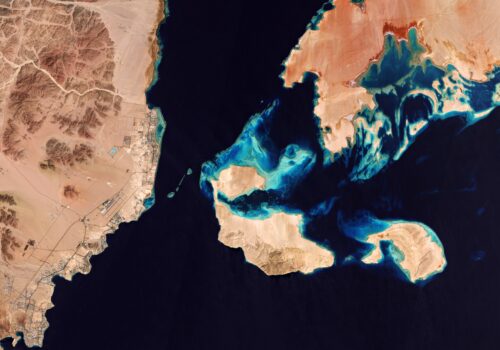
Moses parts the Red Sea: Israel’s strategic challenges as new routes emerge

By Amit Yarom

A new $4 billion bridge across the Strait of Tiran could upend plans to physically integrate Israel into the Middle East.

Economy & Business Israel

MENASource

Nov 10, 2025

A little-discussed point in Trump’s Gaza plan could be an opportunity to build interfaith understanding

By Peter Mandaville

Peace efforts don’t need more gleaming Abrahamic baubles, they need a genuine commitment to supporting grassroots religious peacebuilding.

Civil Society Freedom and Prosperity

MENASource

Nov 7, 2025

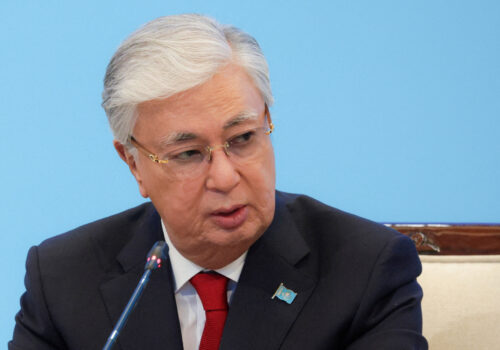
Kazakhstan joins the Abraham Accords—and redefines the geography of peace

By Joseph Epstein

While some have dismissed an expansion to Central Asia as “largely symbolic” this interpretation overlooks deeper implications.

Central Europe Europe & Eurasia

Sign up for all the latest updates!

Sign up for the MENASource newsletter, highlighting pieces that follow democratic transitions and economic changes throughout the region.


  • This field is for validation purposes and should be left unchanged.