
Digital Forensic Research Lab

The Atlantic Council’s Digital Forensic Research Lab (DFRLab) has operationalized the study of disinformation by exposing falsehoods and fake news, documenting human rights abuses, and building digital resilience worldwide.

The Digital Forensic Research Lab (DFRLab) is a first of its kind organization with technical and policy expertise on disinformation, connective technologies, democracy, and the future of digital rights. Incubated at the Atlantic Council in 2016, the DFRLab has conducted over 1,000 investigations exposing influence operations and emerging digital threats worldwide.

With a team rooted in diverse regional expertise and subject-matter knowledge, the DFRLab works to promote digital resilience, defend democratic institutions, and ensure that objective fact remains central to public discourse in an increasingly contested information space.

Read the DFRLab’s latest case studies, learn about our initiatives, and more at DFRLab.org

STAY CONNECTED

Receive the latest research, along with discussions about disinformation and tech issues.

ABOUT US
Programs

The Democracy + Tech Initiative creates policy practices that align global stakeholders toward tech and governance that reinforces, rather than undermines, open societies. It builds on the DFRLab’s established track record and leadership in the open-source field, empowering global communities to promote transparency and accountability online and around the world.
The Atlantic Council Technology Programs comprises five existing efforts—the Digital Forensic Research Lab (DFRLab), the GeoTech Center, the Cyber Statecraft Initiative, the Democracy + Tech Initiative, and the Capacity Building Initiative. These operations work together to address the geopolitical implications of technology and provide policymakers and global stakeholders necessary research, insights, and convenings to address challenges around global technology and ensure its responsible advancement.

LATEST RESEARCH
PROJECTS

Upcoming & Recent Events

Employment opportunities

There are no employment opportunities currently open.

From the archives

Experts

Content

Article

Mar 24, 2020

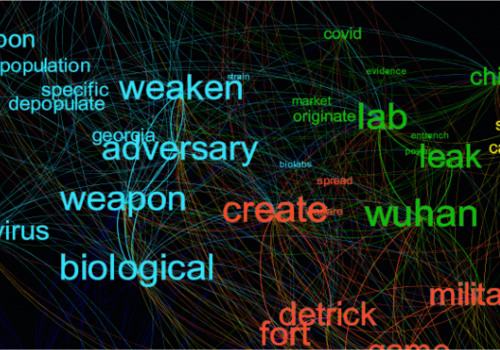
Six reasons the Kremlin spreads disinformation about the coronavirus

By Jakub Kalenský

Fabrications about COVID-19’s origins are meant to stir up anti-U.S. sentiment and fuel discord.

Coronavirus Disinformation

Article

Mar 24, 2020

Storming the sauna: a ceasefire violation in the Donbas

By Digital Forensic Research Lab

Photos and video of an attack along the line of contact in the Donbas region of Ukraine provided a rare look at ceasefire violations.

Conflict Drones
AlertaVenezuela email banner

#AlertaVenezuela

Mar 17, 2020

#AlertaVenezuela: March 17, 2020

By Atlantic Council's DFRLab

The confirmation of the first cases of the novel coronavirus in Venezuela led to the politicization of the outbreak and the spread of claims that were not supported by evidence.

Disinformation Venezuela

New Atlanticist

Mar 16, 2020

Addressing the coronavirus “infodemic”

By David A. Wemer

“Information, including disinformation and misinformation about the novel coronavirus is spreading faster than the pandemic itself,” Atlantic Council President and CEO Frederick Kempe explained. The sheer amount of information on the outbreak means that government and business leaders need to take specific actions to ensure that their citizens and employees receive important credible information.

Disinformation Economy & Business
AlertaVenezuela email banner

#AlertaVenezuela

Mar 10, 2020

#AlertaVenezuela: March 10, 2020

By Atlantic Council's DFRLab

Nicolás Maduro and his Vice President Delcy Rodríguez promoted the hashtag #LasSancionesSonUnCrimen (“Sanctions are a crime”) on March 6, 2020, when it also reached the trending topics of the country on Twitter. The hashtag was part of a broader campaign launched by the regime that same day to protest U.S. sanctions imposed on Venezuela.

Disinformation Venezuela
AlertaVenezuela email banner

#AlertaVenezuela

Mar 3, 2020

#AlertaVenezuela: March 3, 2020

By Atlantic Council's DFRLab

Fringe outlets that reported on an attack on a Juan Guaidó rally in Barquisimeto, Venezuela, received more engagement on social media than traditional and trustworthy outlets that wrote about the same topic.

Disinformation Venezuela

Insights & Impact

Mar 3, 2020

Peering Around the Corner: The Geopolitics of Coronavirus

By Atlantic Council

On February 11, 2020 the DFRLab hosted "Peering Around the Corner: The Geopolitics of Coronavirus," a timely series of panels on the potential geopolitical and economic consequences of Coronavirus, and how misinformation about the crisis may influence its impact.

China Disinformation

Article

Feb 26, 2020

Anonymous pro-Russian Telegram channels target protests in Belarus

By Givi Gigitashvili

Amid ongoing economic integration talks between Russia and Belarus, eight channels attacked opponents of integration and spread pro-Kremlin narratives.

Belarus Disinformation
AlertaVenezuela email banner

#AlertaVenezuela

Feb 25, 2020

#AlertaVenezuela: February 25, 2020

By Atlantic Council's DFRLab

William Castillo, as vice minister of international communications, is one of the most prominent authorities in the Maduro regime’s Ministry of People’s Power for Foreign Affairs. Castillo has attacked journalists online for allegedly publishing “fake news,” despite the fact that he has repeatedly published false claims on Twitter.

Disinformation Venezuela

Article

Feb 24, 2020

Anonymous Ukrainian Telegram channels serve as gateways to fringe media

By Roman Osadchuk

Allegations against former Ukrainian MP on anonymous Telegram channels made way to fringe media and other MPs’ Telegram channels.

Disinformation Eastern Europe