
The Digital Forensic Research Lab (DFRLab) is a first of its kind organization with technical and policy expertise on disinformation, connective technologies, democracy, and the future of digital rights. Incubated at the Atlantic Council in 2016, the DFRLab has conducted over 1,000 investigations exposing influence operations and emerging digital threats worldwide.

With a team rooted in diverse regional expertise and subject-matter knowledge, the DFRLab works to promote digital resilience, defend democratic institutions, and ensure that objective fact remains central to public discourse in an increasingly contested information space.

Read the DFRLab’s latest case studies, learn about our initiatives, and more at DFRLab.org

STAY CONNECTED

Receive the latest research, along with discussions about disinformation and tech issues.

ABOUT US
Programs

The Democracy + Tech Initiative creates policy practices that align global stakeholders toward tech and governance that reinforces, rather than undermines, open societies. It builds on the DFRLab’s established track record and leadership in the open-source field, empowering global communities to promote transparency and accountability online and around the world.
The Atlantic Council Technology Programs comprises five existing efforts—the Digital Forensic Research Lab (DFRLab), the GeoTech Center, the Cyber Statecraft Initiative, the Democracy + Tech Initiative, and the Capacity Building Initiative. These operations work together to address the geopolitical implications of technology and provide policymakers and global stakeholders necessary research, insights, and convenings to address challenges around global technology and ensure its responsible advancement.

LATEST RESEARCH
PROJECTS

Upcoming & Recent Events
Employment opportunities

There are no employment opportunities currently open.

From the archives

Experts

Content

Insights & Impact

Feb 5, 2020

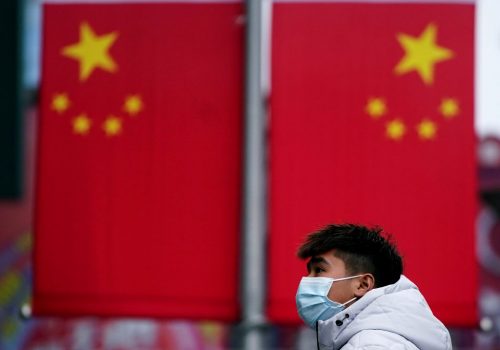
A reason for skepticism with China’s coronavirus comms

By Tessa Knight and Jacqueline Malaret

While presenting an image abroad of transparency and cooperation in the country's response to COVID-19, China is simultaneously threatening journalists and detaining people who speak out on social media, the latest in its long history of attempting to maintain tight control over the facts to avoid domestic public scrutiny of a public health crisis.

China
Civil Society
AlertaVenezuela email banner

#AlertaVenezuela

Feb 4, 2020

#AlertaVenezuela: February 4, 2020

By Atlantic Council's DFRLab

A Twitter network previously reported by the DFRLab used random text, including snippets of poems, song lyrics, articles, and Wikipedia entries, to amplify anti-Guaidó hashtags on Twitter. The random text appeared to be unrelated to Guaidó and to the hashtags. The network’s actions suggest they engaged in inauthentic behavior to make the hashtags seem more popular than they were in an attempt to influence or manipulate the trending topics on Twitter.

Disinformation
Venezuela

Article

Jan 30, 2020

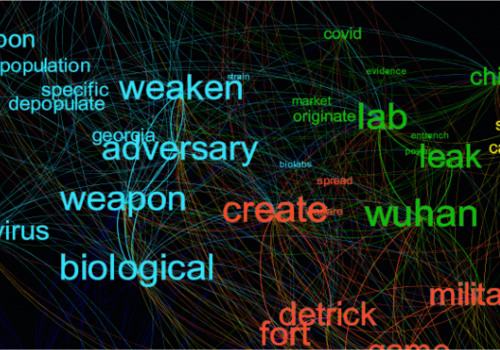
Bioweapons, secret labs, and the CIA: pro-Kremlin actors blame the US for coronavirus outbreak

By Eto Buziashvili

Multiple narratives begin to emerge on fringe Russian outlets and social media, following a familiar playbook

Coronavirus
Disinformation
AlertaVenezuela email banner

#AlertaVenezuela

Jan 28, 2020

#AlertaVenezuela: January 28, 2020

By Atlantic Council's DFRLab

Accusations of corruption against Juan Guaidó and other National Assembly members resurfaced in the form of a misleading claim regarding the misappropriation of foreign funds that was pushed by pro-Maduro regime blogs and media outlets from Venezuela and regime-allied countries.

Disinformation
Venezuela

In the News

Jan 23, 2020

Brookie joins NPR to discuss the growing role of private cyber security firms in identifying foreign state hackers

By Atlantic Council

Cybersecurity
United States and Canada
AlertaVenezuela email banner

#AlertaVenezuela

Jan 21, 2020

#AlertaVenezuela: January 21, 2020

By Atlantic Council's DFRLab

On January 11, Juan Guaidó, president of the National Assembly who is recognized by more than 50 countries as interim president of Venezuela, announced his intention to appoint a presidential commission to oversee the restructuring of the Maduro regime-backed broadcaster Telesur. The announcement started the debate about the future of the media outlet. The regime mounted a significant response on social and traditional media, including on Telesur itself.

Disinformation
Venezuela
AlertaVenezuela email banner

#AlertaVenezuela

Jan 14, 2020

#AlertaVenezuela: January 14, 2020

By Atlantic Council's DFRLab

Twitter suspended dozens of accounts connected to the Maduro regime on January 7, 2020, including the official accounts of the Ministerio del Poder Popular de Petróleo (the Ministry of People’s Power for Petroleum), the Minister of the Interior, the Central Bank of Venezuela, and the Bolivarian Army of Venezuela.

Disinformation
Venezuela

Blog Post

Jan 9, 2020

The information space around Iran

By Graham Brookie, Iain Robertson

Over the last two years, the DFRLab has produced one of the largest bodies of primary, open source reporting on Iran’s activity and capability in the space of hybrid threats, which constitutes a large and vulnerable proxy front.

Disinformation
Iran
AlertaVenezuela email banner

#AlertaVenezuela

Jan 7, 2020

#AlertaVenezuela: January 7, 2020

By Atlantic Council's DFRLab

As Nicolás Maduro and Juan Guaidó waged a political battle for Venezuela, they spent 2019 going head to head on social media as well. Social media is an important battlefield in Venezuela and one of the areas the regime prioritizes in order to control the country. The DFRLab analyzed their social presence on Facebook and Twitter from January to December 2019 and concluded that, even though Maduro has more followers and page likes, Guaidó garners more engagement with his posts.

Disinformation
Venezuela

New Atlanticist

Jan 6, 2020

Shaping the global future together: the Council’s “Top fifteen hits” of 2019

By Frederick Kempe

We look back at the Atlantic Council's top work of 2019 galvanizing US leadership alongside partners and allies to tackle the most pressing challenges confronting our nation and our world.

Africa
Americas