The Future of DHS Project focuses on the challenges facing the US Department of Homeland Security (DHS) and the homeland security enterprise and provides recommendations to protect Americans from threats, build resilience, and transform the department.
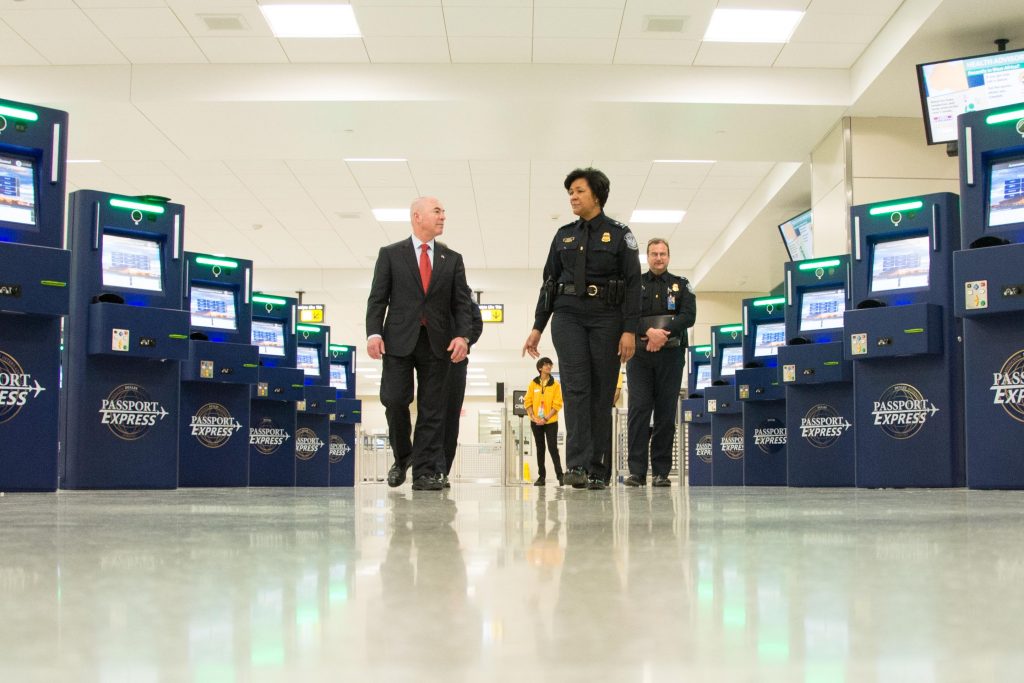
In the wake of the 9/11 terrorist attacks, President George W. Bush mobilized the disparate pieces of the US government’s homeland security architecture under “a single, permanent department with an overriding and urgent mission: Securing the homeland of America and protecting the American people.” Formally created under the Homeland Security Act of 2002, DHS brought some or all of twenty-three different agencies and federal departments, including the US Customs Service, Immigration and Naturalization Service, Transportation Security Administration, Federal Emergency Management Agency, National Communications System, National Infrastructure Protection Center, US Coast Guard, and US Secret Service, into a single department. It has now existed for more than two decades, but many of the early criticisms of its complicated organizational and decision-making structure have borne out, along with new challenges, including perennially low morale.
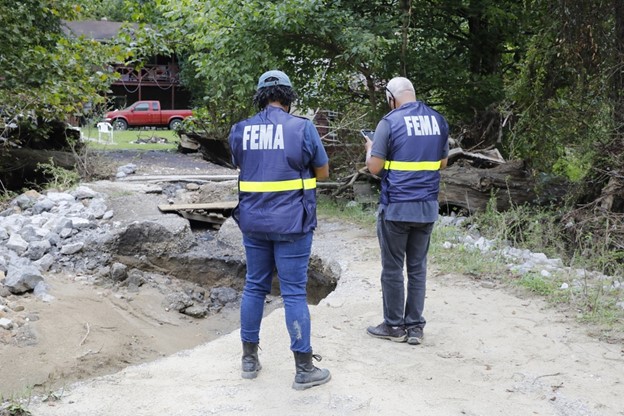
The Future of DHS Project provides ongoing analysis on and recommendations for the mission, role, structure, oversight, and enduring challenges of the department, starting with a foundational report and recommendations for congressional oversight in 2020. It also examines how the elements of DHS, from its work on disaster preparedness and response and cyber- and border security and beyond, can more effectively carry out their missions, be properly resourced, coordinate with state and local governments and the private sector, build public trust in the homeland security enterprise, and increase strategic resilience in the United States.
Analysis










Stay connected
Events




Stay connected
Related content


Explore the program

The Adrienne Arsht National Security Resilience Initiative, in the Scowcroft Center for Strategy and Security, works to advance resilience as a core tenet of US and allied national security policy and practice.
Follow us on social media