Nuclear Nonproliferation

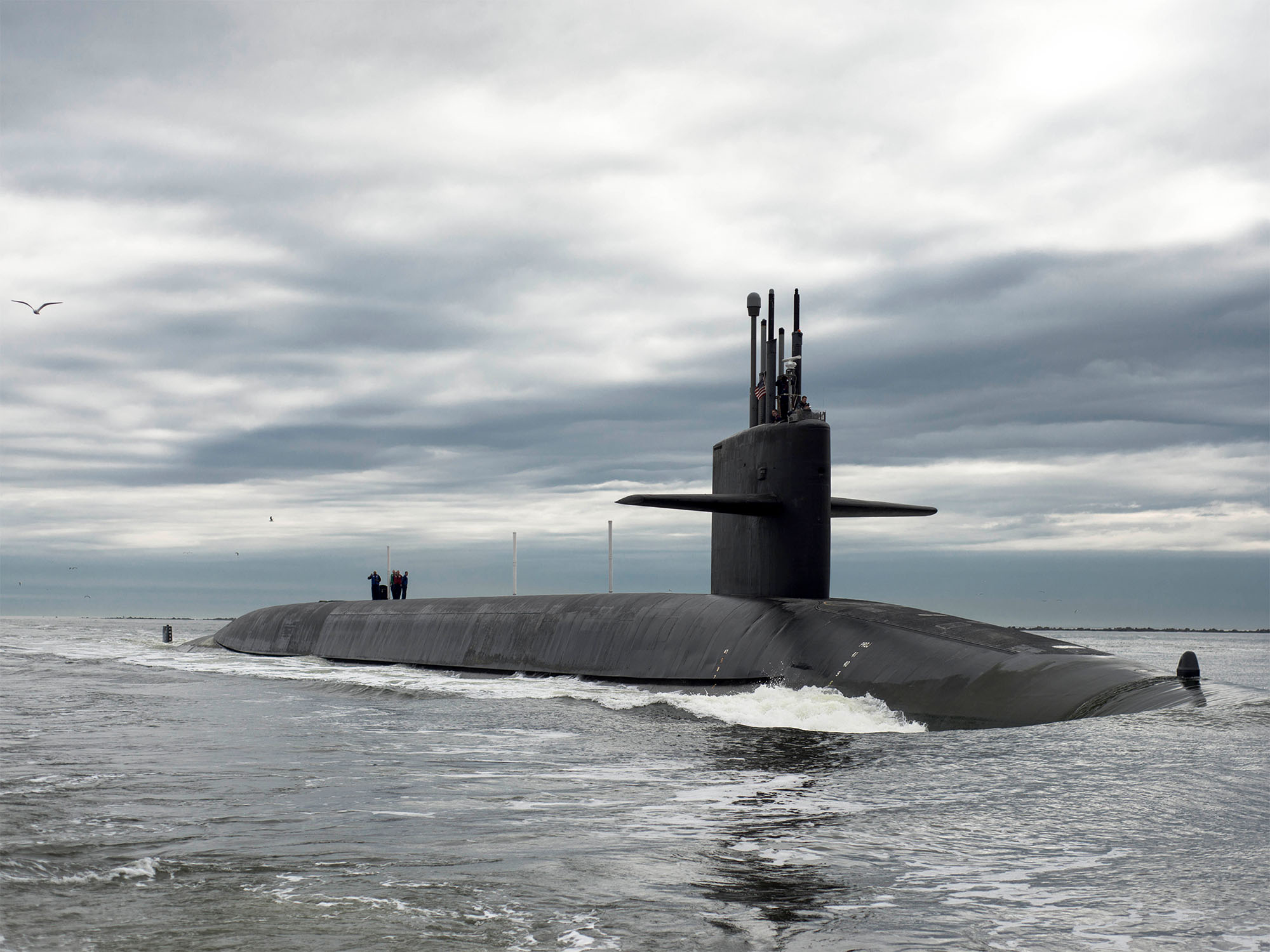
During the Cold War, policy makers and scholars worried that nuclear weapons would proliferate widely—yet, after all this time, there remain relatively few nuclear powers. Today, the nonproliferation regime faces challenges from unrecognized nuclear states like North Korea and other rogue regimes like Iran. The international community must continue to limit the spread of nuclear weapons, while the United States works to assure nuclear-proliferation compliant allies of the integrity of the US nuclear umbrella.
Content

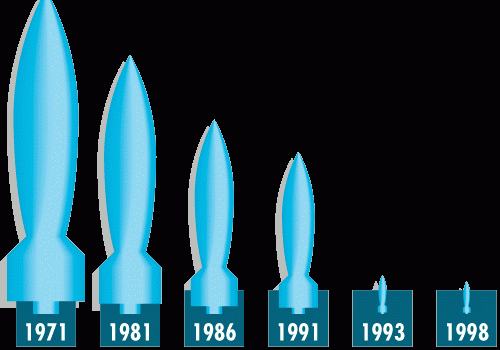
NATO's decreasing number of sub-strategic nuclear weapons in Europe

NATOSource

Aug 18, 2014

NATO-Based Nuclear Weapons are an Advantage in a Dangerous World

By Brent Scowcroft, Stephen J. Hadley and Franklin Miller, Washington Post

When NATO’s leaders gather in Wales in early September, they will address several issues critical to the alliance

NATO Nuclear Nonproliferation

Issue Brief

Aug 14, 2014

Why nuclear deterrence still matters to NATO

By Matthew Kroenig and Walter B. Slocombe

Over the past two decades, nuclear weapons have been deemphasized in NATO planning, but this should not be interpreted to mean that the Alliance has abandoned the core principle that a nuclear attack will meet a nuclear response, or that NATO will not retain the necessary means to deliver such a response. In the latest […]

Europe & Eurasia NATO

Event Recap

Jul 18, 2014

The Consequences of No Nuclear Deal with Iran

The five permanent members of the UN Security Council – United States, France, Russia, China and the UK – plus Germany are in a crucial moment in negotiations with Iran to reach a comprehensive agreement over its use of nuclear power. This group of countries, known as the P5+1, are adamant to ensure that Iran […]

International Organizations Iran

In the News

Jun 9, 2014

Slavin on Suggested Multilateral Uranium Enrichment Facility

By Barbara Slavin

Barbara Slavin, nonresident senior fellow at the South Asia Center, writes for Al-Monitor on a proposed multilateral uranium enrichment facility, suggested by Princeton experts and Iranian nuclear negotiators to help provide energy to the region:

Iran Nuclear Nonproliferation
US paratroopers in Estonia

NATOSource

May 20, 2014

European Ground Troops Need to Join US Units Defending NATO’s Eastern Allies

By Steven Pifer, Financial Times

Given Moscow’s aggression in Ukraine, companies of airborne soldiers have been deployed to Estonia, Latvia, Lithuania and Poland to assure those countries and serve as tripwires. But the soldiers are all Americans. Where are the Europeans?

Europe & Eurasia NATO
NATO Secretary General Anders Fogh Rasmussen, April 1, 2014

NATOSource

Apr 14, 2014

Head of NATO Says Ukraine Only Part of Putin’s Ambitions

By Sohrab Ahmari, Wall Street Journal

“I see Ukraine and Crimea in a bigger context,” Mr. [NATO Secretary General Anders Fogh] Rasmussen says. “I see this as an element in a pattern, and it’s driven by President Putin’s strong desire to restore Russian greatness

Energy & Environment Energy Markets & Governance

New Atlanticist

Apr 14, 2014

How Washington’s Polarization Endangers Nuclear Arms Control

By Jofi Joseph

The Global Treaty Banning Nuclear Test Explosions is Increasingly at Risk Five years ago this month, President Obama won international applause for his landmark speech in Prague calling for a world free of nuclear weapons – a commitment intended as a central organizing principle of his national security framework. But progress on that “Prague Agenda” […]

Nuclear Nonproliferation Security & Defense
NATO Secretary General Anders Fogh Rasmussen, February 1, 2014

NATOSource

Feb 3, 2014

NATO Secretary General Concerned About Russian Plans to Deploy Offensive Weapon Systems

By Anders Fogh Rasmussen, NATO

I am convinced that the vision that we agreed in 2010 in Lisbon remains the right one: a true strategic partnership between NATO and Russia. But I am concerned that in key areas, we remain too far apart.

Belarus Europe & Eurasia

New Atlanticist

Jan 15, 2014

Overblown Rhetoric Exaggerates Proliferation Risks of Japan-Turkey Nuclear Cooperation

By Jessica Varnum

The international community faces many grave nuclear proliferation challenges. Possible nuclear energy cooperation between Japan and Turkey is not one of them, although a January 8th editorial in Japan’s second most widely read newspaper, the Asahi Shimbun, suggested otherwise. It  called for an “urgent rethink” of the bilateral nuclear cooperation agreement currently under consideration by […]

Japan Nuclear Nonproliferation

MENASource

Dec 11, 2013

Getting to Zero in the Middle East

By Bilal Y. Saab

As Syria dismantles its chemical weapons infrastructure and Iran places verifiable limitations on its nuclear program for the next six months and potentially longer, an opportunity for further progress on the elusive goal of ridding the Middle East of all weapons of mass destruction (WMD) presents itself. While old challenges remain and new ones have […]

Middle East Nuclear Nonproliferation

Experts