Security & Defense

One of the most fundamental responsibilities of governments is to protect their citizens from all threats, internal or foreign. Policy makers must prepare for potential conventional warfare, terrorism and other asymmetrical attacks, and the repercussions of natural disasters and climate change to ensure the safety of their citizens. The motivation to protect against future threats must also be partnered with regular dialogue and partnership with allies and neighbors to prevent the triggering of violent conflict or destabilizing arms races.

Content

Dispatches

Mar 27, 2026

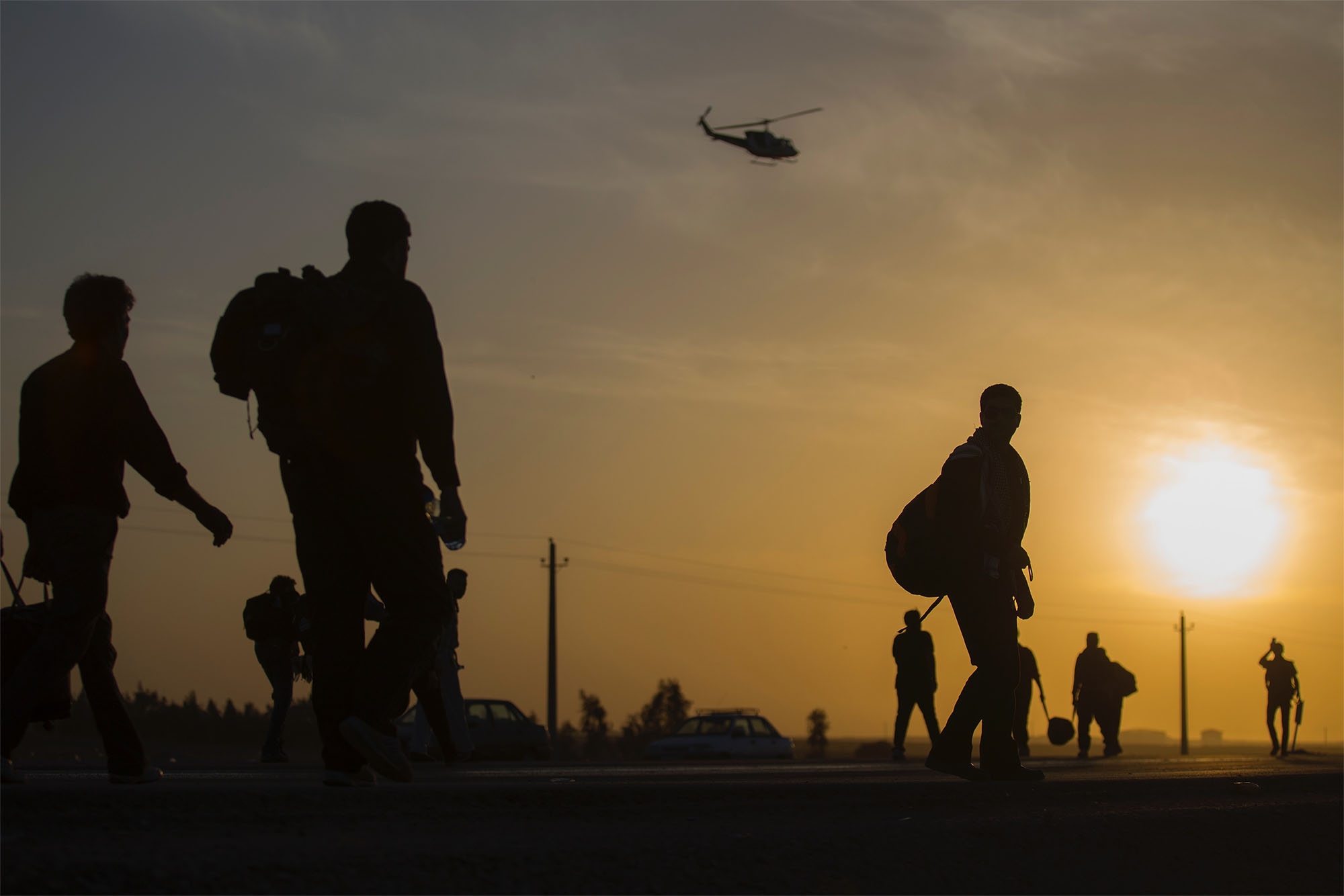
Ten lessons from the first month of the Iran war

By Atlantic Council experts

Atlantic Council experts identify ten important takeaways from the Iran war so far, covering issues from global energy markets to the Iranian regime.

Conflict Economy & Business

Issue Brief

Mar 27, 2026

Deterrence in a two-peer world requires prudence

By Kingston Reif

Washington faces the challenge of preserving credible deterrence and reassuring allies against two potential nuclear peers—possibly acting together—without fueling dangerous instability or draining resources from other defense priorities. This will require a balanced approach that avoids counterproductive arsenal growth.

China Nuclear Deterrence

Issue Brief

Mar 27, 2026

Why US strategic nuclear forces must expand after New START

By Paul Amato

With the New START treaty's caps on the US nuclear force expired, the United States has an opportunity to increase and adapt its nuclear force to deter both Russia and China. Policymakers should seize it.

China Defense Policy

UkraineAlert

Mar 26, 2026

Only additional pressure can push Putin toward peace

By Kira Rudik

With the Kremlin ignoring calls for a compromise peace, the only way to advance negotiations is by putting more pressure on Putin. Failure to do so could have disastrous consequences that would be felt far beyond the borders of Ukraine, writes Kira Rudik.

Conflict Disinformation

UkraineAlert

Mar 26, 2026

Drone superpower Ukraine is an ideal tech partner for the Gulf states

By Anatoly Motkin

Kyiv's decision to help defend the Gulf states against Iranian drones by deploying teams of Ukrainian specialists is highlighting the scope for broader tech sector cooperation between Ukraine and the region, writes Anatoly Motkin.

Conflict Defense Technologies

MENASource

Mar 26, 2026

As Iran attacks, the US should provide air defense for Iraqi Kurdistan

By Yerevan Saeed

Washington faces a choice: Continue to defer to Baghdad’s procedural objections while Iran conducts unimpeded strikes on Kurdish territory or acknowledge the strategic reality and take decisive action.

Conflict Crisis Management

Dispatches

Mar 26, 2026

The Anthropic standoff reveals a larger crisis of trust over AI

By Tess deBlanc-Knowles

Treating public skepticism as noise to be managed rather than a signal to be heeded risks causing rapid political polarization on artificial intelligence.

Artificial Intelligence Defense Policy

TURKEYSource

Mar 26, 2026

What Iran’s attacks on Turkey reveal about NATO’s future

By Ali Mammadov

Turkey’s recent missile incidents reveal something important about NATO’s future and what the Alliance will need to do to maintain its credibility.

Conflict Europe & Eurasia

Dispatches

Mar 26, 2026

Israeli settler terrorism demands a tougher US response

By Cleary Waldo

The United States should draw on a key counterterrorism tool: the designation of perpetrators as specially designated global terrorists.

Crisis Management Israel

Issue Brief

Mar 26, 2026

After Maduro: Latin America’s policy community reassesses the US-China balance

By Santiago Villa, Thayz Guimarães, Parsifal D’Sola

The US capture of Maduro has significant implications for China’s position in the region. Although Venezuela has been a frustrating partner for China, Beijing has repeatedly stressed its commitment to the bilateral relationship.

China Latin America

Experts

Events