Middle East Programs Commentary & Analysis

Our blogs feature thoughtful reflections and opinions on current events in the Middle East & North Africa.
Through our Middle East Programs, the Atlantic Council works with allies and partners in Europe and the wider Middle East to protect US interests, build peace and security, and unlock the human potential of the region.

Meet our blogs

All commentary & analysis

MENASource

Jun 20, 2019

Will Iraq have an uprising after sixteen years of political, social, and economic disillusionment?

By Aqeel Abood

Sixteen years have gone by since the American-led invasion of Iraq in 2003, and the country is still suffering from major unresolved political, economic, and social issues. Even the most pessimistic people in Iraq did not think that the situation would be this dire.

Iraq

IranSource

Jun 19, 2019

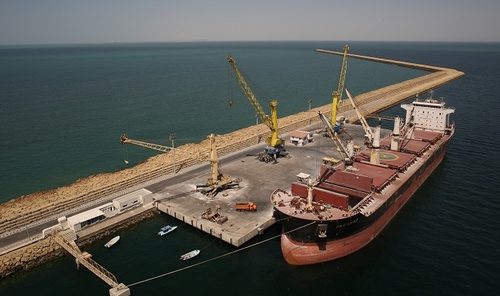
Iran looks to Chabahar and a new transit corridor to survive US sanctions

By Aveek Sen

The Trump administration has exempted the Chabahar port from US sanctions as a gesture toward India, which sees the outpost as a means of facilitating trade with Afghanistan. However, its true potential requires more integration between Iran and among Central Asian states.

Iran

MENASource

Jun 18, 2019

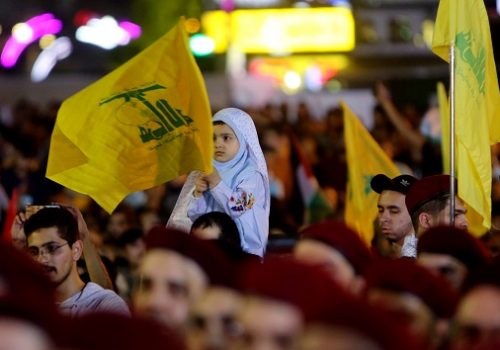
How to counter Iran’s proxies

By Dr. C. Anthony Pfaff

Solutions will emphasize political efforts to continue to isolate Iran from the international community, make dependence on Iranian support less attractive to its proxies, and cultivate partners who can provide the kind of good governance and responsible behavior that serve as a more attractive model than Iran’s divisive practices.

Iran Iraq

SyriaSource

Jun 18, 2019

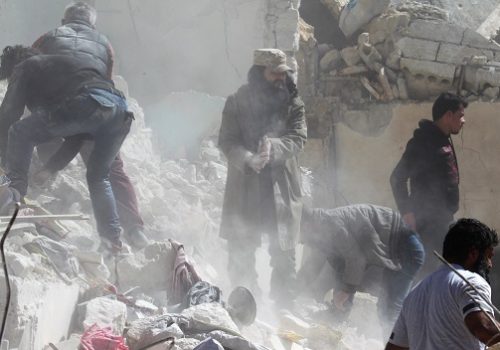
Responding to Assad’s violence against Syrian civilians

By Frederic C. Hof

Yet it is not the policy of the United States that violent regime change in Syria be pursued. Political transition in Syria from corruptly violent family rule to a system reflecting inclusive legitimacy and rule of law should proceed through peaceful negotiations in accordance with the applicable United Nations Security Council resolutions. But these negotiations are not possible while the constituency of one negotiating party is subject to terror, murder, and flight.

Syria

IranSource

Jun 18, 2019

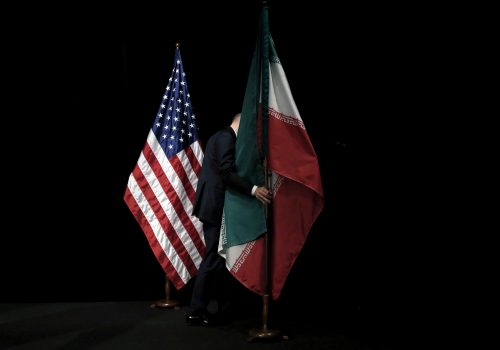
Building on past experience, Iran leads the waltz with the US

By Banafsheh Keynoush

During 2013, Iran seized on a rare opportunity to talk directly with the United States for a new round of nuclear negotiations. European countries speaking at the time to Iran to cap its nuclear program asked the US, which had been part of the nuclear talks since 2006, to join in fresh discussions with Iran.

Iran

New Atlanticist

Jun 17, 2019

Is the Iran nuclear deal on its last legs?

By David A. Wemer

Matthew Kroenig, deputy director of the Atlantic Council’s Scowcroft Center for Strategy and Security said that the decision “means Iran will begin moving closer to a nuclear weapons capability,” which—while expected— “is still highly concerning.”

Iran Nuclear Nonproliferation

IranSource

Jun 17, 2019

GCC dispute pushes Iran and Qatar closer but with caveats

By Giorgio Cafiero and Andreas Paraskevopoulos

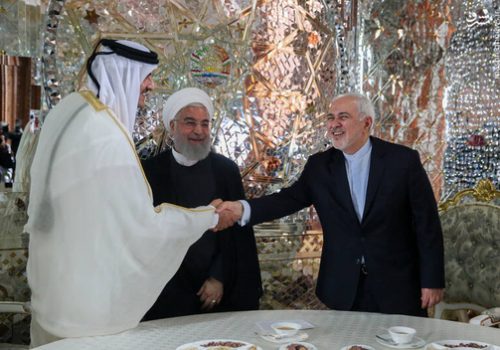
Despite the recent rise in tensions between the United States and Iran, Qatar is moving closer to its controversial neighbor as a blockade of Qatar by prominent Arab countries appears to have become a permanent feature of the regional geopolitical landscape.

Iran The Gulf

IranSource

Jun 14, 2019

No one wins a war in the Gulf, but Iran would be the biggest loser

By John W. Miller

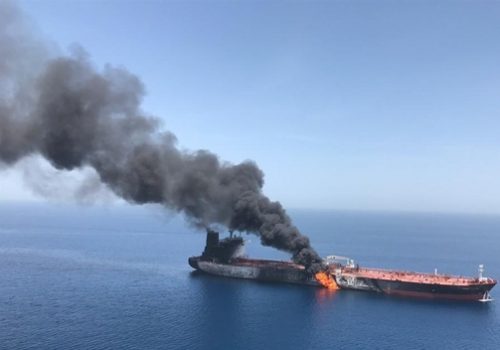
Despite repeated assertions by regime officials in Tehran and key members of the Trump administration regarding a mutual desire to avoid war, tensions in the region continue to rise.

Iran United States and Canada

New Atlanticist

Jun 13, 2019

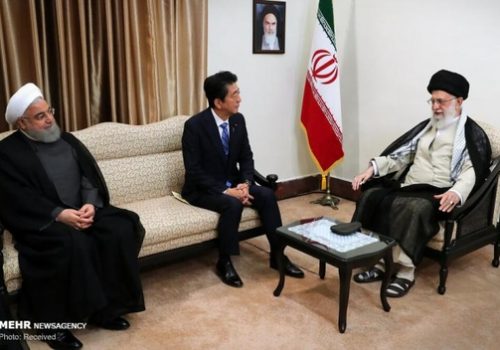
Only US concessions can bring Iran to the negotiating table

By David A. Wemer

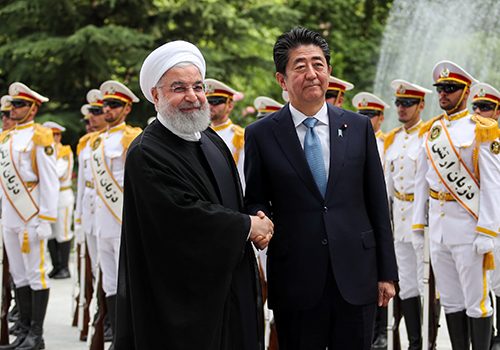
Iranian supreme leader rebuffs Japanese prime minister’s attempt at mediation.

Iran Nuclear Nonproliferation

MENASource

Jun 13, 2019

The decline of MENA students coming to the United States: Why that’s a problem

By Ambassador Richard LeBaron and Sarah Aljishi

Fewer students from the Middle East and North Africa (MENA) are pursuing university studies in the United States. In its most recent “Open Doors” report, the Institute for International Education measured an 8.7 percent reduction in the number of undergraduates from the region attending US colleges and universities for full-time studies and 5.2 percent decline in graduate students.

Middle East Youth