Content

TURKEYSource

Jul 1, 2021

Can energy be the key to Turkish-US relations in the Biden era?

By Eser Özdil

In spite of ups and downs in the political relationship, the United States and Turkey have always shared mutual interests on energy including through the Southern Gas Corridor and emerging LNG trade. Shared priorities on developing renewables and cooperation to strengthen the energy security of Eastern Europe are now emerging areas of cooperation.

Climate Change & Climate Action Economy & Business

TURKEYSource

Jun 29, 2021

Biden-Erdoğan icebreaker could set the stage for a bilateral thaw

By Grady Wilson

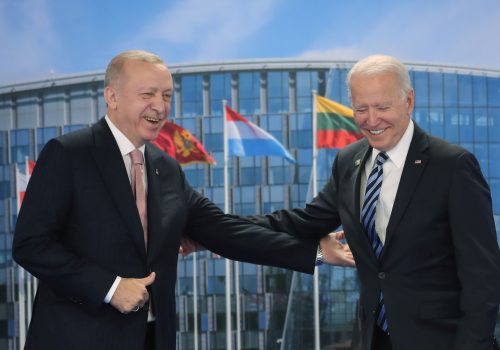
Biden and Erdogan emerged from a long meeting on the sidelines of the June 14 NATO summit upbeat and positive, setting the stage for dialogue and progress in bilateral relations. Turkey and the United States share an expansive list of disagreements and tensions points as well as mutual interests and opportunities. Both sides are unanimous on the importance of bilateral relations but it remains to be seen how the two countries will manage their current challenges.

Conflict International Organizations

New Atlanticist

Jun 22, 2021

Former Wikipedia chief on fighting censorship and potentially paying contributors to address diversity gaps

By Nick Fouriezos

Katherine Maher appeared at the 360/Open Summit, hosted by the Atlantic Council’s Digital Forensic Research Lab, to discuss how tech can earn the public's trust.

Civil Society Disinformation

TURKEYSource

Jun 14, 2021

Expert React: The key takeaways from the Biden-Erdoğan Meeting

By Atlantic Council IN TURKEY

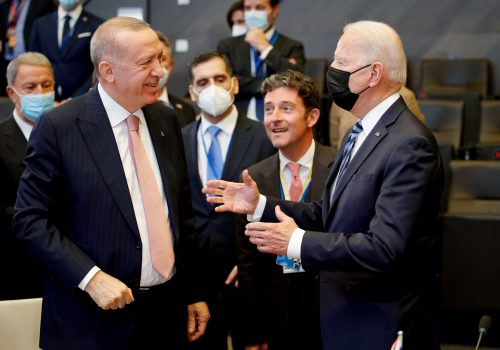
US President Joe Biden and Turkish President Recep Tayyip Erdoğan met on the sidelines of the NATO Summit in Brussels on June 14 for the first time since Biden's election. Atlantic Council experts offer their reactions on the meeting and its key takeaways.

Conflict Defense Technologies

Report

Jun 11, 2021

When sanctions violate human rights

By Peter Piatetsky and Julian Vasilkoski

Do sanctions violate human rights? Castellum.AI has developed a methodology to determine whether, and how, sanctions from particular countries violate human rights, designating Russia, Pakistan, and Turkey in that order as the biggest violators.

Financial Sanctions and Economic Coercion Human Rights

MENASource

Jun 1, 2021

Egypt recalibrated its strategy in Libya because of Turkey

By Alessia Melcangi

It is evident that the strategic pivots of Egyptian leadership in Libya are adapting and evolving in concordance with developments on the ground and keeping in mind wider regional implications—particularly its relations with Turkey.

Libya Middle East

In the News

May 31, 2021

Badi quoted in Middle East Eye on the complications headed into the run-up of Libya’s election

By Atlantic Council

Elections Libya

In the News

Apr 30, 2021

Kroenig and Ashford discuss the global implications of Biden’s climate change agenda

By Atlantic Council

On April 30, Foreign Policy published its biweekly column featuring Scowcroft Center deputy director Matthew Kroenig and New American Engagement Initiative senior fellow Emma Ashford discussing the latest news in international affairs. In this column, they discuss the Biden administration’s approach to tackling climate change, Biden’s acknowledgement of the Armenian Genocide, and the US response to India’s surge […]

Climate Change & Climate Action Coronavirus

TURKEYSource

Apr 29, 2021

Turkey and the new Libyan government: continuity, change, and new opportunities

By Karim Mezran and Dario Cristiani

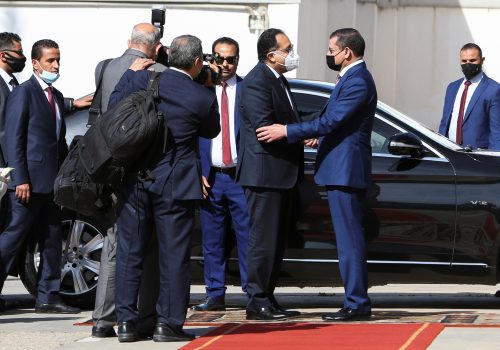
The new Libyan leadership’s early moves on the international stage demonstrate its openness to engaging with all actors. Interim Prime Minister Abdel Hamid Dbeibeh's government's closest and most important international partner is Turkey, which, driven by strategic interests has continued to support the internationally recognized Libya government.

Conflict Libya

TURKEYSource

Apr 5, 2021

The end of the Gulf rift may not signal the end of Turkey-Qatar relations

By Meliha Benli Altunışık

Early this year, changing regional power balances drove Qatar and the GCC bloc to a normalization agreement, almost four years after the imposition of an embargo on Qatar. During that time, Qatar and Turkey developed an increasingly close and multifaceted relationship. Although cutting military ties between Qatar and Turkey had been on the original list of demands issued by the Saudi led bloc, don't expect any in Turkey-Qatar relations.

Defense Industry Economy & Business

Experts