Atlantic Council blogs

Atlantic Council blogs provide short-form analyses from Council experts and a wider community of global voices on the world’s most important news stories.
View all
of our blogs
Subscribe to our
newsletters

Latest from across our blogs

Secretary General Jens Stoltenberg, November 18, 2014

NATOSource

Nov 18, 2014

NATO Secretary General: Multiple Sources Confirm Russia’s Military Build-Up in Ukraine

By Jens Stoltenberg, NATO

It is a military build-up. The picture we have confirms the picture which is also provided by other sources. By open sources, by independent reporters and by the OSCE.

NATO Russia

UkraineAlert

Nov 18, 2014

Russians’ Once-Secretive Commander in Ukraine is On the Air

By Irena Chalupa

Colonel Igor Girkin Presses Kremlin to Expand Its War Through Southern and Eastern Ukraine “The Shooter” is back. Colonel Igor Girkin, the career Russian intelligence officer who disappeared three months ago from his leading role in the Russian-sponsored war against Ukraine, has burst anew into Russia’s news headlines. He has given a spate of interviews […]

Eastern Europe Russia

MENASource

Nov 18, 2014

Top News: Tunisia’s Parties Endorse Candidates as Presidential Poll Looms

By MENASource

Last Sunday political party Afek Tounes announced that it would be backing candidate Beji Caid Essebsi in the presidential elections. On Wednesday, al-Aman party announced it would be backing Ahmed Nejib Chebbi’s candidacy, whose party only received one seat in the country’s legislative elections.

MENASource

Nov 18, 2014

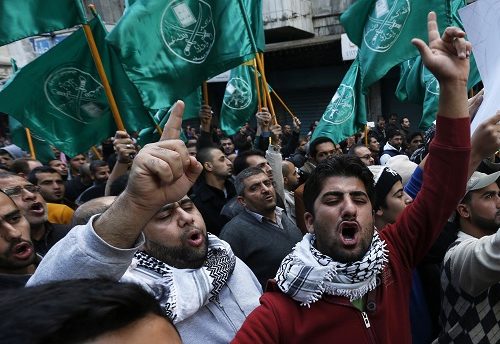
Top News: Government Ready for Tough Response to Salafi Front “Islamic Uprising”

By EgyptSource

Any threat to police facilities “will be met with force and if necessary with live rounds,” ministry of interior spokesman Hany Abdel Latif said in an interview on Sunday.

MENASource

Nov 18, 2014

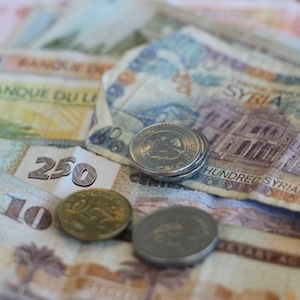
EconSource: Egypt Spent $3 Billion on Fuel Subsidies in the First Quarter

By EconSource

Egypt spent EGP 22 billion ($3.08 billion) on fuel subsidies in the first quarter of the new fiscal year. According to the oil ministry this reflects a reduction by 29 percent from the same quarter a year ago. As part of efforts to revive the economy Egypt’s government has introduced deep subsidy cuts. In July […]

New Atlanticist

Nov 17, 2014

Another G20 Meeting: For What?

By Andrea Montanino

Boosting the World’s Economy Needs Action, Notably From Europe—Not Another Predictable Summit Communique National leaders of the Group of Twenty met in Brisbane, Australia over the weekend to deliver an action plan for global economic growth and employment. Topping the agenda were items such as boosting job growth, investment to renew infrastructure , and improving […]

Europe & Eurasia European Union
Russian Su-34 Fullback fighter bomber off the coast of Norway in late October

NATOSource

Nov 17, 2014

Putin Targets the Scandinavians

By Andrew A. Michta, American Interest

Throughout 2014, an unprecedented number of air space violations and incidents have required NATO Baltic Air Policing to scramble jets in response.

NATO NATO Partnerships
Russian embassy in Warsaw

NATOSource

Nov 17, 2014

Poles, Russians Expel Diplomats Over Spying

By Vanessa Gera, AP

Russian and Polish officials confirmed Monday that they have carried out tit-for-tat diplomatic expulsions in an espionage affair that highlights intensified efforts by Moscow to penetrate NATO counties

Intelligence NATO

MENASource

Nov 17, 2014

Civil Society’s Fundamental Role in Egypt

By Amr Hamzawy

Executive authorities in countries around the world clamp down on civil society organizations when they wish to delude citizens about what’s really going on in society.  These authorities find it particularly convenient to suppress civil society when seeking to ensure silence about the ways in which the rule of law is being violated and rights […]

North Africa

MENASource

Nov 17, 2014

What’s Next for Tunisia’s Foreign Policy?

By Alexander Nisetich

Tunisia’s interim government will soon step down, to be replaced by a president and legislature that will serve for the next five years. While the incoming government is not yet complete, its policies will differ significantly from the departing interim authorities, and the contrast may be sharpest in foreign policy.

North Africa