Stay updated

Subscribe to our daily newsletter to receive the best expert intelligence on world-changing events

Explore our unique analysis

Content

New Atlanticist

Apr 4, 2020

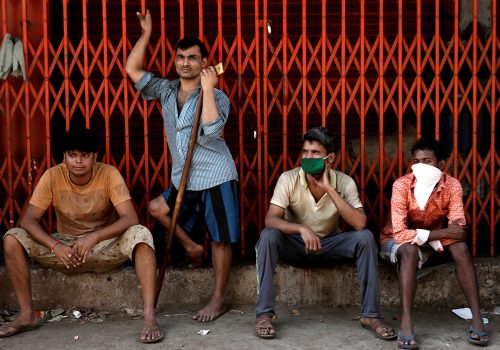
A new “Asian drama”: Will COVID-19 destroy the progress against poverty eradication and human development in South and East Asia?

By Ajay Chhibber

With weak health systems and crowded living conditions, the chances of wide-spread pandemic is very high. If COVID-19 is not brought under control quickly, despite all the progress in medicine and healthcare since 1918, the number of deaths may rise rapidly. Governments are responding with lockdowns, more health spending, and fiscal and monetary packages for economic life-support—but with weak social safety nets millions will have fallen back into poverty

Coronavirus
Economy & Business

New Atlanticist

Apr 3, 2020

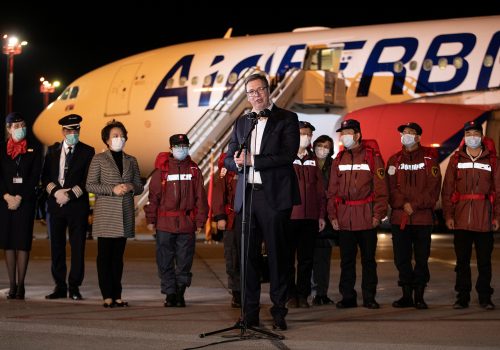
COVID-19 in the Western Balkans

By Dimitar Bechev

COVID-19 overshadowed two major developments in the region: the EU decision to open membership talks with North Macedonia and Albania, as well as North Macedonia’s formal accession to NATO on March 27. In normal circumstances, this would have been huge news. Yet now the pandemic leaves little bandwidth for other matters, even in the Western Balkans.

Coronavirus
Democratic Transitions

New Atlanticist

Apr 3, 2020

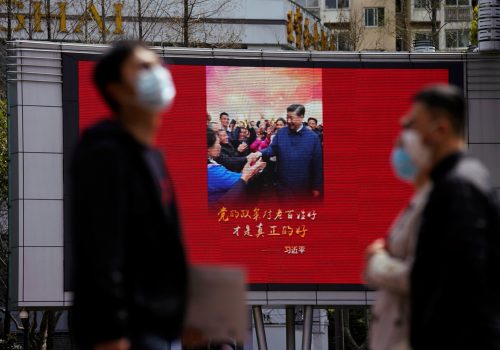
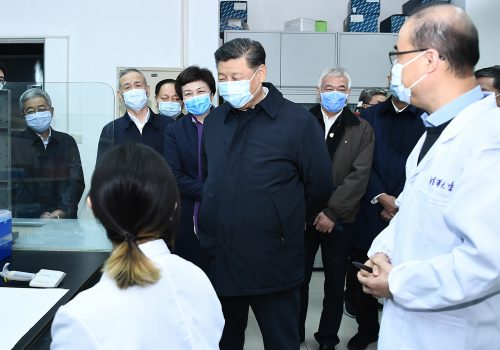
China’s failing coronavirus strategy

By Joe Bodnar

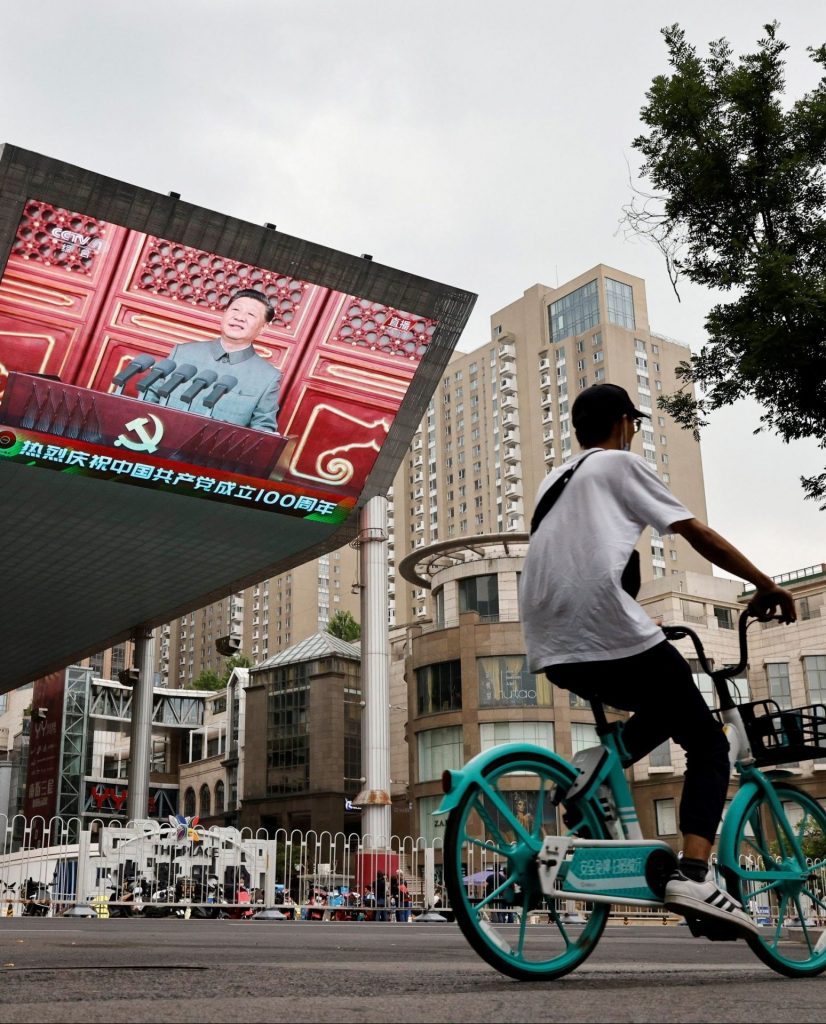
While it is too early to understand the impact of the coronavirus on geopolitics, it is not too early to recognize China as a rising power that is aggressive, opportunistic, and susceptible to mistakes.

China
Coronavirus

New Atlanticist

Apr 3, 2020

The coronavirus infodemic in Latin America will cost lives

By Roberta Braga and Diego Area

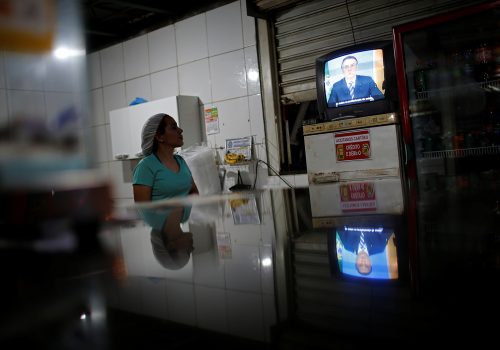
Disinformation and misinformation, especially circulating within the biggest economy in Latin America (Brazil) and the country with the worst man-made humanitarian crisis in the hemisphere (Venezuela), can foment national catastrophes that will be felt well beyond the realms of the online information space and national borders.

Brazil
Coronavirus

New Atlanticist

Apr 3, 2020

Can coronavirus achieve elusive unity in Bosnia and Herzegovina?

By Semir Dzebo and Shelby Magid

Their initial response to the COVID-19 outbreak shows that even the staunchest opponents of Bosnia and Herzegovina’s unity are capable of working within its institutions and putting the public interest before their ethno-political ambitions. Now they only need to be willing to do so outside of the threat of a global pandemic.

Coronavirus
Politics & Diplomacy

New Atlanticist

Apr 3, 2020

American disaster, American resilience

By Daniel Fried

As we contemplate the road back from the coronavirus depression, we need to think big and fix things, at home and abroad. We’re still going deeper into an American disaster. But American resilience can get us out of it.

Coronavirus
Economy & Business

New Atlanticist

Apr 2, 2020

The United States’ stealth diplomat: The Federal Reserve

By Robert Dohner

In stepping forward to calm US financial markets, reactivate swap lines, and create the new foreign repo facility, the Fed has helped backstop the global economy. One may argue whether the United States is still the indispensable nation. What is clear is that, in a crisis, the Federal Reserve is the indispensable central bank.

Financial Regulation
International Financial Institutions

New Atlanticist

Apr 2, 2020

Forging the Four Freedoms Initiative for prosperity and peace in the Balkans

By Marko Čadež

To demonstrate their readiness to fulfill the responsibilities associated with full-fledged membership in the world’s largest common market, the countries of the region launched the Western Balkans Four Freedoms Initiative to bring down barriers to intra-regional trade, travel, and labor movement. While not identical to Roosevelt’s plans, this project seeks to ensure the same outcome of peace and prosperity through liberty, opportunity, and growth.

International Markets
Macroeconomics

New Atlanticist

Apr 1, 2020

Reconciling sanctions and humanitarian need during COVID-19

By Brian O’Toole

As the world economy shuts down to try to contain the COVID-19 outbreak, the humanitarian collateral effects of sanctions become more pronounced and potentially deadly. But the argument that the United States should unilaterally roll back sanctions draws a false dichotomy; sanctions do not have to be suspended or rolled back for the United States to better address humanitarian concerns.

Cuba
Economic Sanctions

New Atlanticist

Apr 1, 2020

Cities “on the front lines” of the coronavirus crisis

By David A. Wemer

As the novel coronavirus (COVID-19) pandemic worsens and deaths increase around the world, national and local governments are racing to prepare their healthcare systems, infrastructure, and economies to weather the current storm. “The world writ large was not adequately prepared to see what has come,” former New Orleans Mayor Mitch Landrieu said on April 1, adding that now it is up to mayors and local officials who “are really on the frontlines,” to take action to protect their citizens.

Coronavirus
Resilience