Stay Updated

As the world watches the Russian invasion of Ukraine unfold, UkraineAlert delivers the best Atlantic Council expert insight and analysis on Ukraine twice a week directly to your inbox.

editor’s picks
Latest analysis
UkraineAlert

Apr 9, 2026

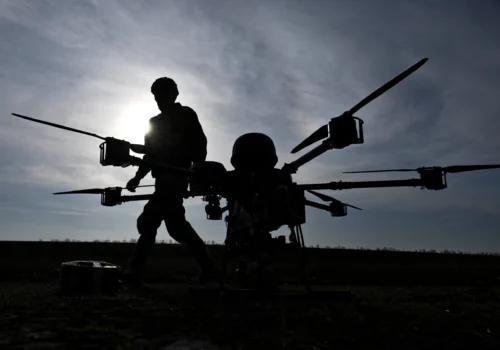
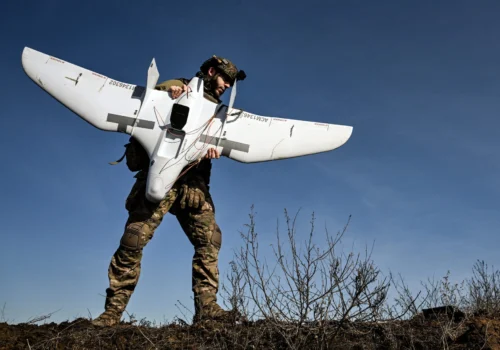
Ukraine is winning the drone war with strike campaign behind Russian lines

By Mykola Bielieskov

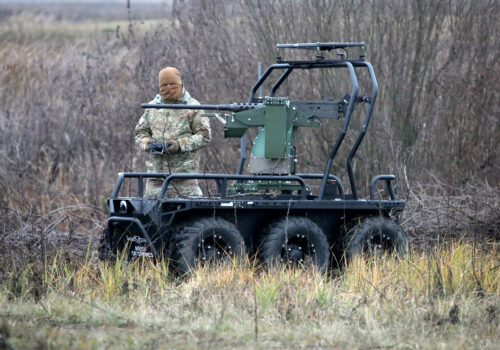
Ukraine has regained the initiative from Russia in the world's first full-scale drone war by launching a campaign of mid-range drone strikes aimed at underlining the logistics supporting Putin's invasion, writes Mykola Bielieskov.

Conflict Defense Industry

UkraineAlert

Apr 9, 2026

Recognizing the role of propaganda in Russia’s infrastructure of aggression

By Anna Vyshniakova, Jais Adam-Troian, Kristina Hook 

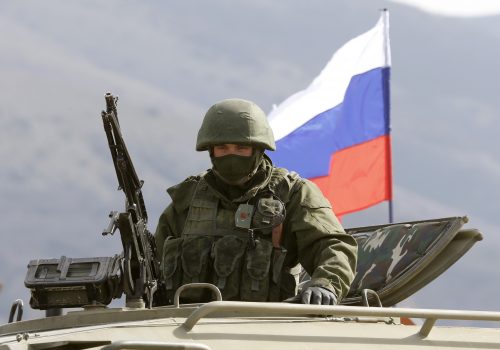
Russia’s invasion of Ukraine demonstrates that propaganda plays a more important part than ever in modern war. Recognizing propaganda as part of Russia’s infrastructure of military aggression is an essential step toward countering it effectively, write Anna Vyshniakova, Jais Adam-Troian, and Kristina Hook. 

Conflict Defense Policy

UkraineAlert

Apr 9, 2026

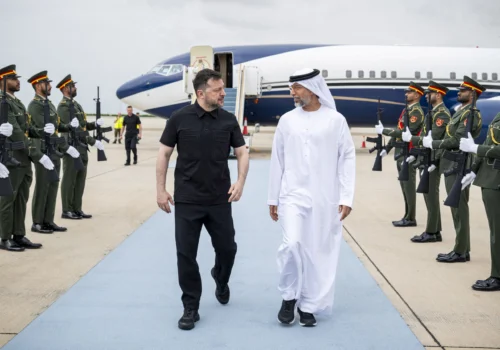
Ukraine continues remarkable rise from aid recipient to security provider

By Peter Dickinson

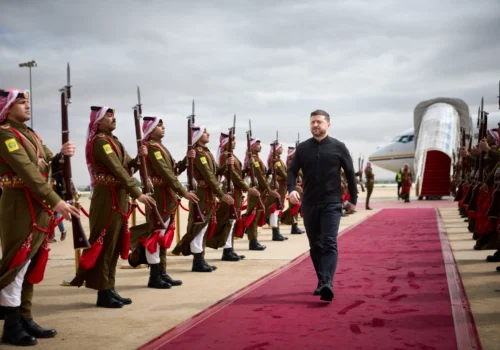
President Zelenskyy has recently signed a series of landmark security partnerships with countries across the Middle East, underlining wartime Ukraine's remarkable rise from aid recipient to international security provider, writes Peter Dickinson.

Conflict Defense Industry

UkraineAlert

Apr 7, 2026

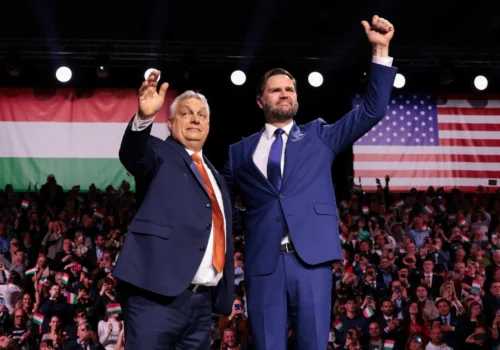
Hungarian election could have implications for EU, US, Russia, and Ukraine

By Marc Goedemans

The Hungarian parliamentary elections on April 12 are being billed as the most important in the country’s modern history. With Hungary a key focus in the escalating confrontation between Russia and the West, this weekend’s vote could also have geopolitical implications that will be felt in Kyiv, Moscow, Brussels, and Washington. Current Hungarian Prime Minister […]

Civil Society Conflict

UkraineAlert

Apr 2, 2026

Ukraine’s heating system resilience offers lessons for European neighbors

By Miro Sedlák

Russia's bombardment of Ukraine's civilian heating system has forced Kyiv to develop a model of infrastructure resilience based on decentralization and speed that offers important lessons for Ukraine's EU neighbors, writes Miro Sedlák.

Conflict Critical Infrastructure Policy

UkraineAlert

Apr 1, 2026

Europe has the resources to contain Russia but lacks the political will

By Oleksiy Zagorodnyuk

Europe unquestionably possesses the industrial and economic base to outmatch Russia but has yet to demonstrate the unity and political will necessary to contain the Kremlin and stop Putin in Ukraine, writes Oleksiy Zagorodnyuk.

Conflict Defense Industry

UkraineAlert

Apr 1, 2026

Ukraine’s military success is exposing the myth of inevitable Russian victory

By Kateryna Odarchenko

The Kremlin is promoting the idea of inevitable Russian victory in Ukraine as part of efforts to deter further support for Kyiv, but this narrative is being undermined by mounting Ukrainian military successes, writes Kateryna Odarchenko.

Conflict Disinformation

UkraineAlert

Mar 31, 2026

Zelenskyy’s Gulf region tour was a masterclass in wartime diplomacy

By Peter Dickinson

As the Iran War focuses global attention on the Middle East, Ukrainian President Volodymyr Zelenskyy traveled to the Gulf region in late March on a whirlwind tour that showcased Ukraine’s growing military strength and geopolitical clout, writes Peter Dickinson.

Conflict Defense Technologies

UkraineAlert

Mar 31, 2026

Ukraine bombs Russia’s Baltic ports as Zelenskyy targets Putin’s oil exports

By David Kirichenko

Ukraine's President Zelenskyy says the country’s partners have called on Kyiv to scale down attacks on Russian energy infrastructure after drone strikes reportedly reduced Russia’s oil export capacity by at least 40 percent as global energy prices surge amid the Iran War, writes David Kirichenko.

Conflict Drones

UkraineAlert

Mar 26, 2026

Only additional pressure can push Putin toward peace

By Kira Rudik

With the Kremlin ignoring calls for a compromise peace, the only way to advance negotiations is by putting more pressure on Putin. Failure to do so could have disastrous consequences that would be felt far beyond the borders of Ukraine, writes Kira Rudik.

Conflict Disinformation

spotlight

The views expressed in UkraineAlert are solely those of the authors and do not necessarily reflect the views of the Atlantic Council, its staff, or its supporters.

The Eurasia Center’s mission is to enhance transatlantic cooperation in promoting stability, democratic values, and prosperity in Eurasia, from Eastern Europe and Turkey in the West to the Caucasus, Russia, and Central Asia in the East.
Follow us on social media
and support our work

Content

UkraineAlert

Feb 25, 2021

Russia’s collective punishment of the Crimean Tatars is a war crime

By Wayne Jordash and Anna Mykytenko

As Ukraine seeks international justice over the Russian seizure and occupation of Crimea, Kyiv should consider holding the Kremlin to account for the collective punishment of the Crimean Tatars.

Conflict Human Rights

UkraineAlert

Feb 25, 2021

Biden must freeze Putin’s pipeline and prevent this “bad deal for Europe”

By Benjamin Schmitt

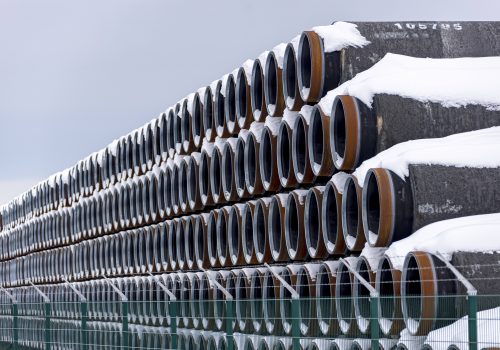
By taking steps to block the Nord Stream 2 pipeline, US President Joe Biden has a real opportunity to build a new transatlantic security consensus while revitalizing the US-German relationship.

Geopolitics & Energy Security Germany

UkraineAlert

Feb 25, 2021

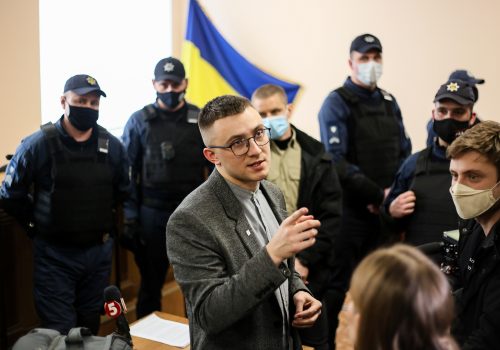
Ukrainians protest “political justice” over activist jailing

By Solomiia Bobrovska

The jailing of a high-profile Ukrainian activist has sparked protests over fears that his conviction represents politicized justice and a victory for pro-Kremlin forces within the Ukrainian establishment.

Civil Society Conflict

UkraineAlert

Feb 23, 2021

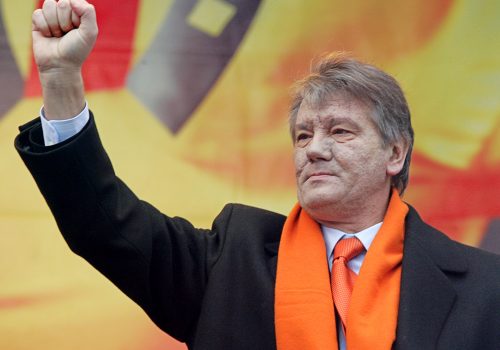
Rethinking Yushchenko

By Brian Mefford

Ukraine's third president, Viktor Yushchenko, came to power on a tide of history but left office in humbling circumstances after a single term. Is it now time to reevaluate the transformative effect of his presidency?

Democratic Transitions Ukraine

UkraineAlert

Feb 22, 2021

Ukraine’s booming IT sector defies the coronavirus crisis

By Peter Dickinson

While businesses around the world are counting the cost of a year disrupted by the unprecedented challenges of the COVID crisis, Ukraine’s IT sector continues to go from strength to strength.

Coronavirus Economy & Business

UkraineAlert

Feb 20, 2021

Ukraine can play key role in Europe’s energy Green Deal

By Aura Sabadus

The International Renewable Energy Agency (IRENA), World Bank, and EU have all argued that Ukraine could become a world leader in renewable production.

Energy Transitions Geopolitics & Energy Security

UkraineAlert

Feb 18, 2021

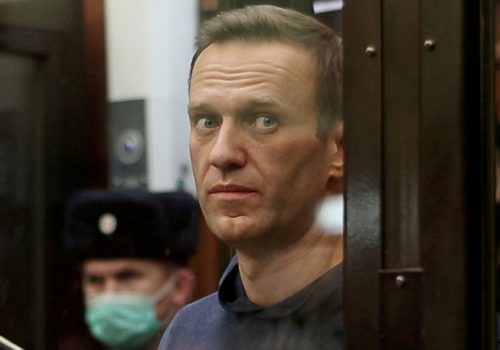
Alexei Navalny is a Russian nationalist but he may still be good news for Ukraine

By Andreas Umland

Many Ukrainians remain skeptical of jailed Russian opposition leader Alexei Navalny due to his Russian nationalist past, but Navalny's impact on Russian politics may eventually prove beneficial for Ukraine.

Conflict Democratic Transitions

UkraineAlert

Feb 18, 2021

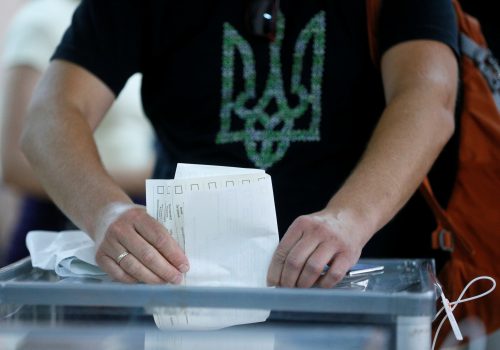
Ukraine adopts new and improved referendum law

By Alisa Shushkovska and Harald Jepsen

Ukraine's recently adopted National Referendum Law fulfills an election promise made by President Zelenskyy to give the people of Ukraine greater and more direct influence over national policies.

Democratic Transitions Elections

UkraineAlert

Feb 16, 2021

Putin the Poisoner

By Peter Dickinson

Putin the Poisoner: Russian President Vladimir Putin has adopted a poisonous approach to international politics in a bid to defend his own authoritarian regime by dividing, discrediting, and destabilizing the democratic world.

Disinformation European Union

UkraineAlert

Feb 16, 2021

Why is Ukraine still not in NATO?

By Dmytro Kuleba

Ukrainian President Volodymyr Zelenskyy said recently that he'd like to ask US President Joe Biden, "Why is Ukraine still not in NATO?" Ukraine's Foreign Minister Dmytro Kuleba agrees that this question has never been more pertinent.

Conflict NATO